Architecture news rarely captures the emotional tension between civic identity, design ambition, and urban change quite like the story of Chicago’s Thompson Center. Threatened by demolition yet still impossible to ignore, this postmodern landmark remains one of the most debated buildings in the American architectural conversation.
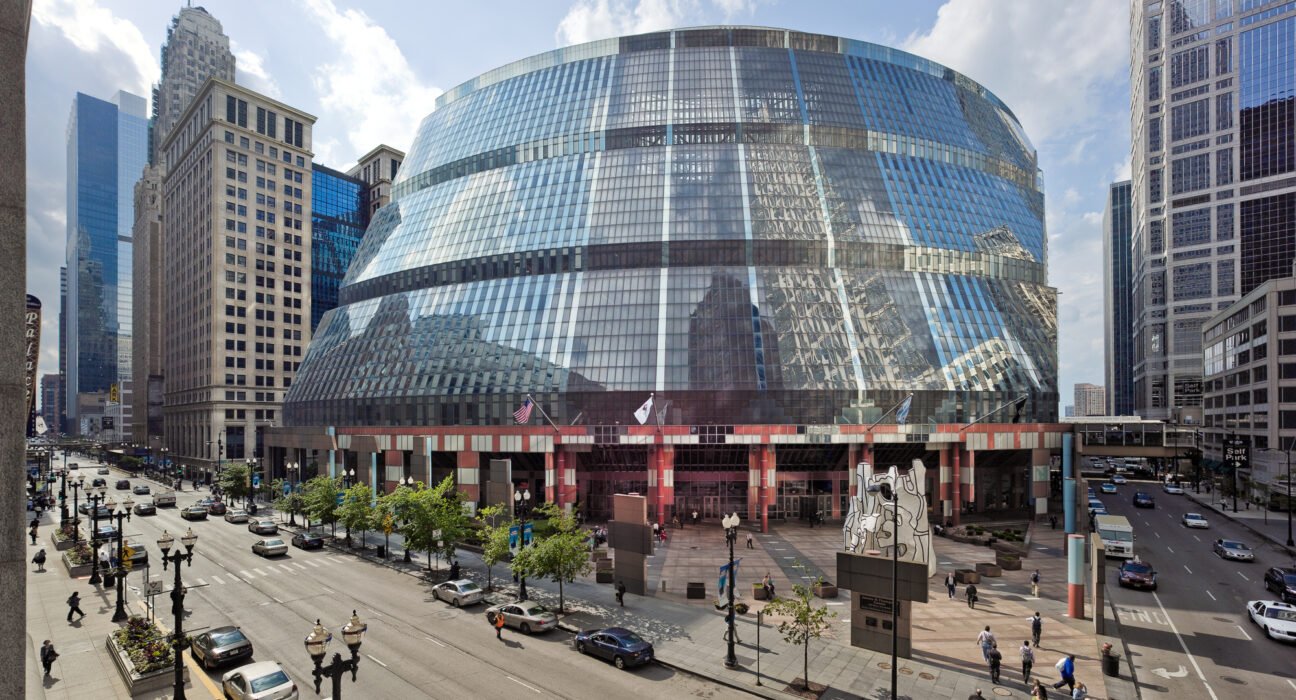
Located in the heart of Chicago’s Loop, the James R. Thompson Center was designed by Helmut Jahn and completed in 1985 as a bold home for Illinois state offices. At first glance, it may seem like an outlier among the city’s celebrated towers. Look closer, however, and it becomes clear why this building continues to generate intense discussion in architecture news, especially among those interested in luxury architecture, experiential design, and the future of iconic urban spaces.
Architecture News Spotlight: The Thompson Center’s Unmistakable Presence
Chicago is often called the architectural capital of the world, and the Thompson Center reinforces that reputation precisely because it refuses to blend in. Its dramatic geometry, expansive glazed skin, and theatrical urban presence make it one of the city’s most unconventional public buildings.
Rather than treating a full city block as a static footprint, Jahn carved the massing in a way that opens toward the street. The most striking moment occurs at the southeast corner, where sweeping, curved setbacks create a powerful sense of movement and reveal a triangular plaza at ground level. In a dense downtown district where every square foot is valuable, this was an unusually generous gesture.
That public-facing move matters. Great design is not only about façades or finishes; it is about how a building gives back to the city. In that sense, the Thompson Center has always been more sophisticated than its critics admit, which is one reason it keeps resurfacing in architecture news cycles focused on preservation and adaptive reuse.
Why the Thompson Center Resonates Beyond Civic Architecture
Although the building was conceived as a government center, its design language has clear relevance for luxury design audiences. Today’s high-end architecture increasingly values experience, visual drama, and memorable interior volume. The Thompson Center anticipated those priorities decades ago.
A landmark built around spectacle
The building’s colorful glass cladding and unusual form create an immediate visual identity. While many office buildings aim for neutrality, the Thompson Center embraces theatricality. That instinct aligns with a key principle in luxury architecture: the best spaces do not disappear into the background; they create an unforgettable atmosphere.
Urban space as a design amenity
The plaza outside the building is another reason the project still feels contemporary. Luxury residential and mixed-use developments now market curated outdoor zones, art installations, and social gathering spaces as premium amenities. Jahn’s scheme introduced that same idea in a civic context, combining architecture, public circulation, seating, trees, and monumental art into a more layered urban experience.
Form that sparks conversation
One hallmark of enduring design is its ability to provoke reaction. Some admire the building’s audacity; others see it as impractical or visually overwhelming. But indifference has never been part of the equation. In both luxury design and public architecture, strong identity often matters more than universal approval.
The Demolition Debate and What It Means for Preservation
The Thompson Center’s uncertain future raises a larger question echoed across architecture news: how should cities treat late-20th-century landmarks that are complicated, expensive, and culturally polarizing?
Demolition debates often focus on economics, maintenance issues, or changing real estate priorities. Yet once a building is erased, so is a piece of architectural history. Postmodern and high-tech influenced works are especially vulnerable because they occupy an awkward place between heritage and controversy. They are old enough to be historic, but not always old enough to be universally cherished.
For Chicago, the stakes are particularly high. This is a city that has long presented itself as a laboratory for architectural innovation. If experimental buildings are only celebrated when they become conventionally beautiful with age, that narrows the city’s legacy. Preserving difficult architecture can be just as important as preserving beloved architecture.
From a luxury real estate perspective, there is also a practical lesson: singular buildings hold long-term cultural value. Distinctive design can become an asset when markets increasingly reward authenticity, place-making, and architectural storytelling.
Design Lessons Luxury Home and Decor Audiences Can Take From the Building
Even readers focused on luxury home, luxury decor, or luxury home decor can draw inspiration from the Thompson Center. Its scale may be civic, but several of its design ideas translate surprisingly well into residential and boutique interiors.
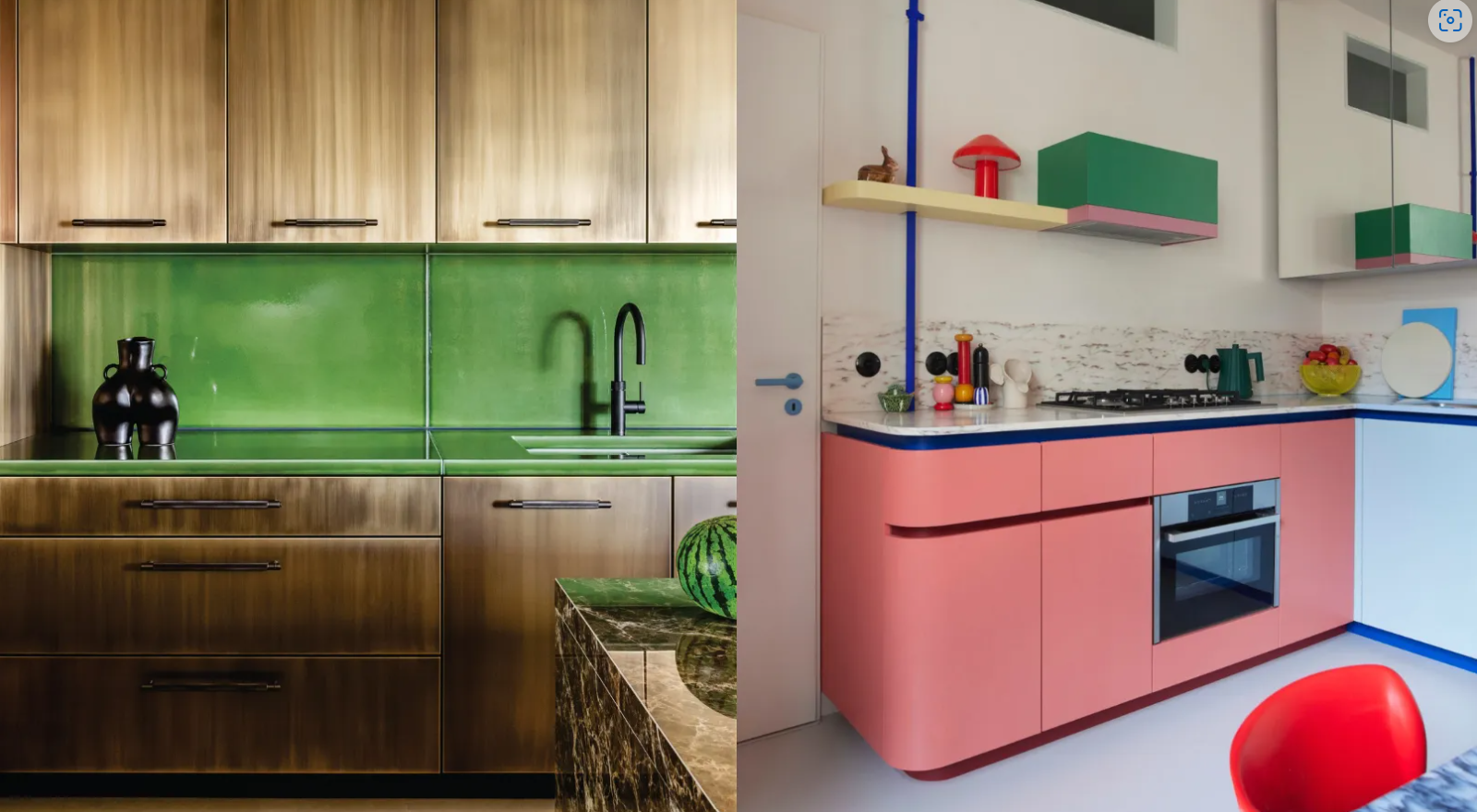
1. Use color with confidence
The building demonstrates that color can define identity rather than simply decorate a surface. In high-end interiors, that could mean:
- tinted glass or lacquered finishes for visual depth
- bold accent materials balanced by clean structural lines
- art-driven palettes that shape the mood of a room
2. Prioritize dramatic volume
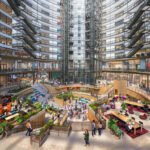
Luxury spaces often feel luxurious because of proportion. Atriums, double-height living rooms, sculptural staircases, and carefully framed voids all create spatial richness. The Thompson Center’s most memorable quality is not ornament, but volume and light.
3. Blur circulation and experience
In exceptional design, movement through a space becomes part of the aesthetic experience. Whether in a penthouse, gallery-like home, or flagship retail environment, circulation can be choreographed to reveal views, art, and changing perspectives.
4. Pair architecture with public art sensibility
The plaza’s relationship with Jean Dubuffet’s sculpture shows how art can elevate architecture. Luxury interiors and exteriors benefit when art is considered early, not added as an afterthought.
Why the Thompson Center Remains Essential Architecture News
The reason this building remains relevant in architecture news is simple: it sits at the intersection of design courage, urban politics, and cultural memory. It challenges easy narratives about beauty, value, and progress. It is not merely a building under threat; it is a test case for how we define significance in modern cities.
For followers of luxury architecture and luxury design, the Thompson Center offers a useful reminder that prestige does not always come from perfection. Sometimes it comes from daring ideas, civic generosity, and a willingness to stand apart. Whether preserved, transformed, or lost, the Thompson Center will continue to shape architecture news because it represents something larger than itself: the enduring power of architecture to provoke, inspire, and define a city’s character.
Takeaway: In a world saturated with safe, polished development, the Thompson Center proves that unforgettable architecture still matters. And that is exactly why this story belongs at the center of architecture news today.