
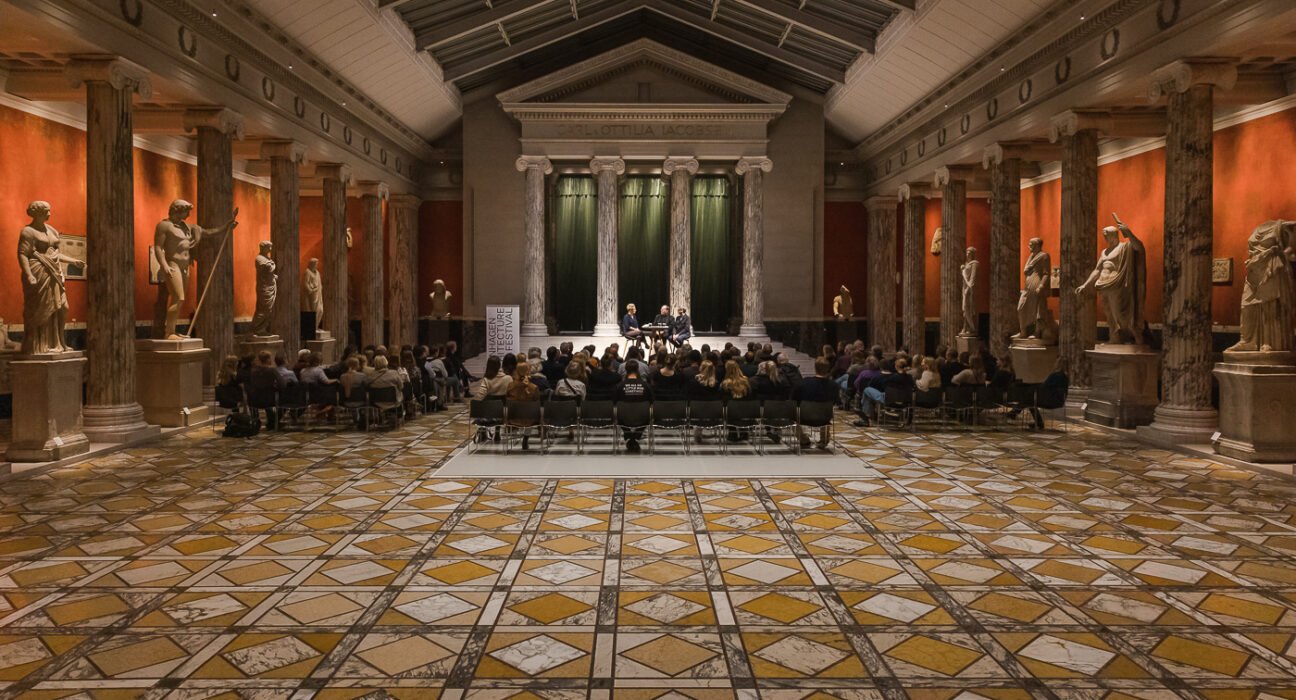
Architecture news rarely captures both cultural urgency and design ambition as clearly as the latest announcement from the Copenhagen Architecture Biennial. The Danish capital is preparing for the second edition of the event, signaling a growing international platform where architecture, urban thinking, and future-focused design converge.
For readers interested in luxury architecture, luxury home trends, and the broader design world, this development matters beyond the exhibition calendar. Major biennials increasingly shape the conversations that influence everything from city planning and material innovation to the aesthetics of high-end interiors and the future of residential living.
Architecture News: Why the Copenhagen Architecture Biennial Matters
The Copenhagen Architecture Biennial is quickly emerging as an important event on the global design circuit. While established architecture festivals and biennials in cities like Venice often dominate headlines, Copenhagen brings a distinct Nordic perspective—one rooted in sustainability, public life, craftsmanship, and human-centered design.
That combination makes the biennial especially relevant for professionals and enthusiasts across luxury architecture and luxury design. Copenhagen has long been associated with elevated minimalism, refined material palettes, and a seamless relationship between buildings, interiors, and landscape. When a city with that design legacy announces a new edition of its biennial, the industry pays attention.
The second edition suggests momentum. It also points to the event’s growing role as a platform for architectural discourse, exhibitions, installations, and public programming that can influence both contemporary practice and aspirational residential design.
Theme and Dates Set the Stage for a Broader Design Conversation
According to the announcement, the Copenhagen Architecture Biennial has confirmed both the theme and dates for its second edition. While biennials are often seen as professional gatherings, their impact stretches far beyond architects alone. Themes introduced in these forums frequently filter into luxury interiors, custom homes, hospitality spaces, and premium lifestyle design over the following years.
In practical terms, a major architecture event theme can shape conversation around:
- Sustainable materials and low-impact construction
- Adaptive reuse and heritage-sensitive design
- Urban luxury and the future of high-end living
- Wellness-focused interiors and biophilic environments
- Public space design that influences residential expectations
That is why this piece of architecture news is especially meaningful for those tracking luxury home decor and luxury home evolution. Today’s affluent homeowners are increasingly drawn to residences that do more than impress visually—they want homes that connect beauty, ethics, comfort, and longevity.
Copenhagen’s Design Identity and Its Luxury Appeal
Copenhagen occupies a rare position in the design world. It is internationally recognized for restraint, but never austerity; for elegance, but never excess. That balance has made Scandinavian design a major influence on luxury architecture and luxury decor, particularly in residences where serenity, natural light, and tactile materials define the experience of space.
Key characteristics often associated with Copenhagen-inspired design include:
- Warm minimalism rather than stark minimalism
- Natural wood, stone, limewash, and artisanal finishes
- Careful daylight management and soft spatial flow
- A strong indoor-outdoor relationship
- Design that prioritizes comfort and daily rituals
As a result, major cultural events in Copenhagen often resonate deeply with the luxury market. A biennial held in this context is not simply about exhibition architecture; it reflects a design philosophy that can shape how premium homes are conceived, furnished, and experienced.
What This Means for Luxury Architecture and Luxury Home Trends
For those following architecture news through the lens of high-end living, the second edition of the Copenhagen Architecture Biennial could help spotlight several emerging directions. Even when events do not directly prescribe trends, they often identify the themes that define the next phase of global design.
Sustainability Becomes a Luxury Standard
In the luxury sector, sustainability is no longer a niche preference. It has become part of the value proposition. Clients increasingly expect energy-conscious systems, responsibly sourced materials, and timeless architecture that avoids disposable aesthetics.
Biennials help accelerate this shift by framing ecological responsibility as a design opportunity rather than a limitation.
Craftsmanship Gains New Relevance
Another likely area of focus is craft. Across luxury home decor and luxury design, there is renewed appreciation for handmade surfaces, custom millwork, and local production. Copenhagen’s design culture has long celebrated these principles, making the biennial an ideal venue for discussing how craft and innovation can coexist.
Urban Living Is Being Redefined
As cities evolve, affluent buyers are looking for residences that provide privacy, wellness, and beauty within denser urban settings. This has fueled interest in better apartment layouts, flexible living spaces, shared amenities, and nature-integrated design. Architecture biennials are often where such ideas gain visibility before entering mainstream development.
Why Architecture Events Influence Interior and Home Design
One reason architecture news matters to a broader luxury audience is that the boundaries between architecture, interiors, and lifestyle have become increasingly fluid. A concept introduced in a pavilion or urban installation can later appear in a penthouse, a boutique hotel, or a waterfront villa.
Design professionals often look to biennials for inspiration in areas such as:
- Material palettes and surface experimentation
- Lighting strategies and atmospheric design
- Flexible room planning
- Furniture integration within architecture
- Sustainability-led detailing
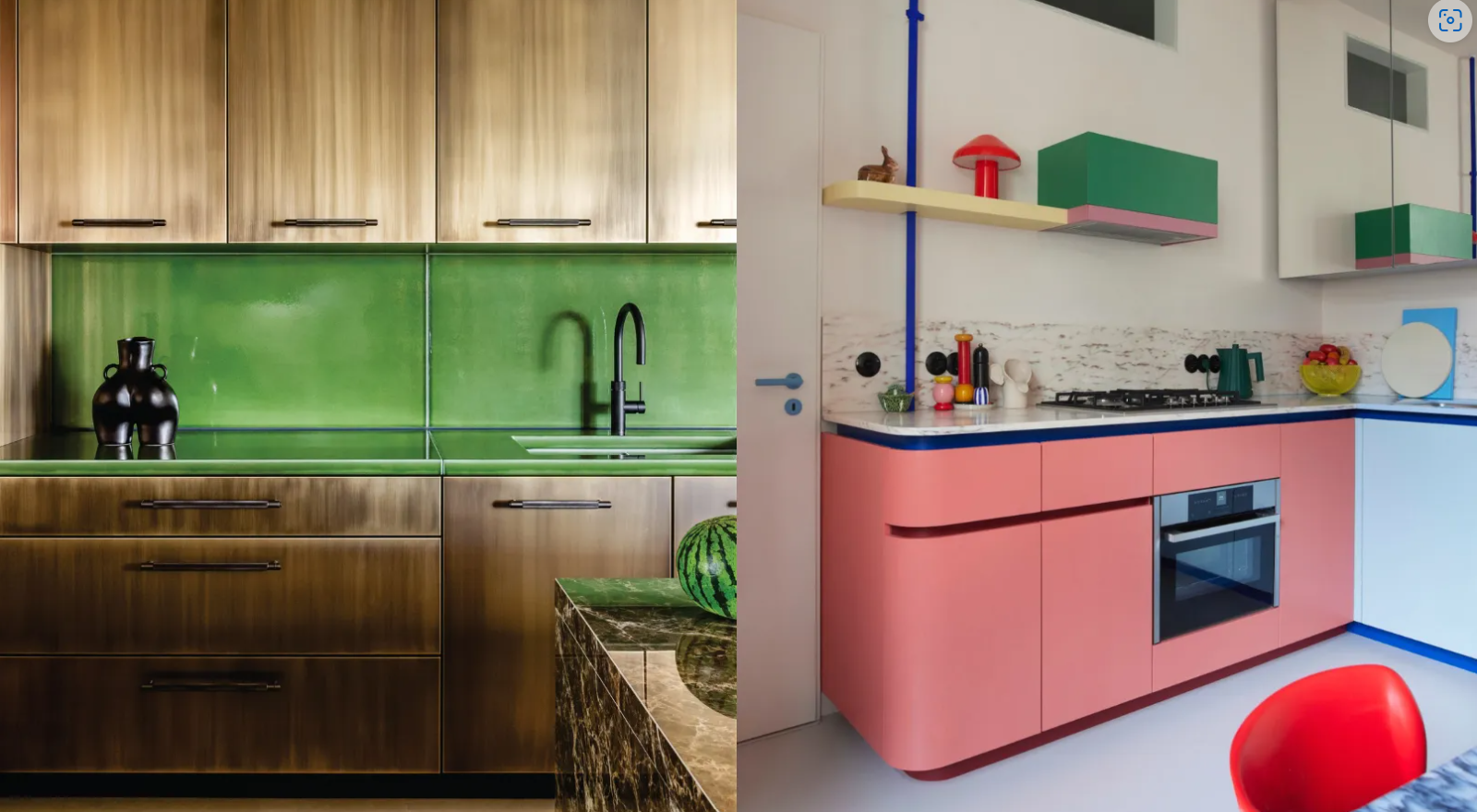
For luxury homeowners, this means architectural culture is not abstract—it directly influences the spaces they inhabit. The ideas presented in Copenhagen could shape tomorrow’s premium kitchens, spa bathrooms, gallery-like living rooms, and quiet, wellness-centered retreats.
A Growing Global Platform to Watch
The second edition of the Copenhagen Architecture Biennial also marks an important institutional milestone. Newer biennials must prove their relevance quickly, and a return edition indicates sustained confidence, cultural interest, and international attention. That matters for brands, designers, architects, developers, and media looking for where the next influential ideas are emerging.
For the luxury sector, watching these platforms early offers a strategic advantage. The most compelling homes and interiors often anticipate change rather than follow it. Tracking this kind of architecture news can help industry insiders and design-savvy readers identify the concepts, values, and aesthetics that will define the next chapter of elevated living.
Conclusion
The announcement of the Copenhagen Architecture Biennial’s second edition is more than a date-setting update—it is a signal that Copenhagen continues to strengthen its role in shaping contemporary design culture. For anyone invested in luxury architecture, luxury decor, luxury design, and the future of the luxury home, this is architecture news worth following closely.
As the event approaches, expect its theme and programming to spark conversations that reach far beyond exhibitions, influencing how we imagine cities, interiors, and exceptional homes in the years ahead.