Architecture news often focuses on permanent buildings, but some of the most powerful ideas arrive through temporary spaces that reshape how we experience place. TAELON7’s Limbo Engawa, now moving from Accra to Art Omi in New York, is a striking example of design as cultural dialogue, spatial ritual, and immersive art.
For readers interested in luxury architecture, luxury decor, and luxury design, this installation is more than a gallery piece. It demonstrates how refined material expression, atmospheric composition, and cross-continental storytelling can define contemporary spatial practice just as strongly as a high-end residence or bespoke interior.
Architecture News Spotlight: TAELON7’s Limbo Engawa
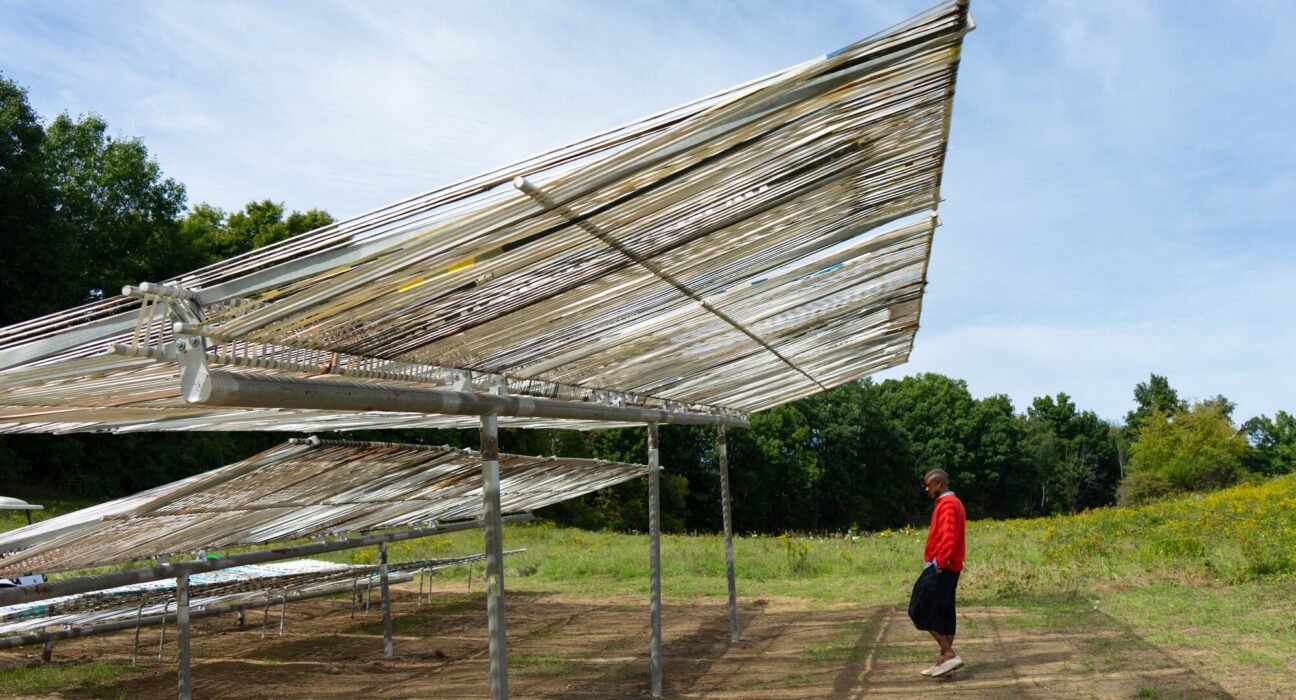
In current architecture news, TAELON7’s Limbo Engawa stands out for its journey as much as its form. Originally presented in Accra, the installation has transitioned to Art Omi in New York, carrying with it a layered conversation about thresholds, movement, and the cultural meaning of in-between spaces.
The title itself signals conceptual depth. “Engawa” traditionally refers to the transitional edge space found in Japanese architecture, a zone between inside and outside, shelter and landscape. Paired with the word “limbo,” the project suggests suspension, passage, and ambiguity. Together, those ideas create a compelling framework for an installation that is not just viewed, but felt.
This is the kind of architecture news that resonates far beyond the design world because it speaks to universal human experiences: arrival, displacement, reflection, and connection to environment.
A Cross-Continental Design Narrative
The move from Accra to upstate New York gives Limbo Engawa a rare architectural richness. Installations often change meaning when relocated, and this one appears especially suited to transformation. In Accra, the work would have engaged one set of climatic, cultural, and urban conditions. At Art Omi, it enters a very different landscape context, allowing visitors to read the project through another lens.
That evolution is essential to why this story matters in architecture news. Rather than treating design as fixed, the project embraces architecture as an adaptive medium. Its value lies not only in its physical composition but in how it absorbs site, memory, and atmosphere.
For luxury design audiences, this flexibility offers an important lesson: the most sophisticated spaces are often those that create emotional resonance while remaining open to interpretation. Whether in a private estate, a luxury home decor scheme, or a collectible design environment, the relationship between object and setting is everything.
Why the Engawa Concept Still Feels Contemporary
One reason this project feels so timely is the enduring relevance of the threshold in architecture. Designers today are increasingly interested in spaces that blur binaries:
- Interior and exterior
- Art and architecture
- Function and contemplation
- Local identity and global exchange
The engawa concept naturally supports that mindset. It is neither fully enclosed room nor open landscape, but a mediating condition. In luxury architecture, this principle appears in shaded terraces, glass pavilions, courtyards, and wellness-focused transition zones that encourage slower, more mindful living.
As architecture news continues to highlight experiential design, projects like Limbo Engawa show why liminal space is becoming central to contemporary practice. These environments do not simply accommodate movement; they choreograph mood, pause, and perception.
Materiality, Atmosphere, and Luxury Design Relevance
Although installations differ from residential architecture, the best of them often forecast broader design directions. TAELON7’s work invites attention to the qualities that also define elevated interiors and luxury home environments:
- Material restraint: A limited palette often produces stronger emotional clarity than visual excess.
- Spatial sequencing: The way a visitor approaches, enters, and pauses within a structure matters as much as the structure itself.
- Sensory atmosphere: Light, shadow, texture, and proportion can be more memorable than ornament.
- Cultural referencing: Thoughtful design draws from history and place without becoming literal or decorative.
These are the same values that shape exceptional luxury decor and collectible interior design today. Instead of relying on opulence alone, many high-end spaces now pursue serenity, craftsmanship, and narrative depth. In that sense, this chapter in architecture news aligns closely with where luxury aesthetics are heading.
From Installation to Inspiration for Luxury Home Design
For homeowners, architects, and interior designers, Limbo Engawa also offers practical inspiration. The project underscores how transitional spaces can become the emotional center of a property. Rather than treating hallways, terraces, covered walkways, or entry courts as secondary areas, designers can elevate them into places of reflection and encounter.
Ideas luxury homeowners can borrow
- Create semi-open living zones that frame landscape rather than isolate it
- Use layered thresholds such as screens, overhangs, and platforms to soften transitions
- Design for stillness with seating edges, contemplative lighting, and tactile materials
- Emphasize atmosphere over clutter in luxury home decor decisions
This is where architecture news becomes directly useful to a design-conscious audience. Experimental installations may seem distant from everyday life, yet they often introduce the ideas that later define premium hospitality, bespoke residences, and luxury home planning.
Why This Story Matters Now
At a time when the global design community is rethinking identity, ecology, and cross-cultural exchange, TAELON7’s installation feels especially relevant. Its move from Accra to New York is not simply logistical; it symbolizes the circulation of ideas across geographies and the growing importance of architecture as a medium for dialogue.
That is why this belongs in serious architecture news coverage. It highlights how temporary architecture can carry lasting influence, how cultural concepts can travel without losing complexity, and how design can remain both visually refined and intellectually ambitious.
For followers of luxury architecture and luxury design, the deeper takeaway is clear: meaningful space is not defined by size or permanence alone. It is defined by atmosphere, intention, and the ability to frame human experience in memorable ways.
Conclusion
In today’s architecture news, TAELON7’s Limbo Engawa offers a powerful reminder that the most compelling design often lives in the space between categories, places, and meanings. From Accra to Art Omi in New York, the installation demonstrates how transitional architecture can inspire luxury homes, refined interiors, and a more thoughtful understanding of how we inhabit the world.
The clear takeaway: great design does not merely occupy a site, it transforms the relationship between people, culture, and landscape.