

Top 10 Beautiful Travel Destinations That Can Be Dangerous
Hannah · November 29, 2026
Luxury editor · Salvina O’Hara
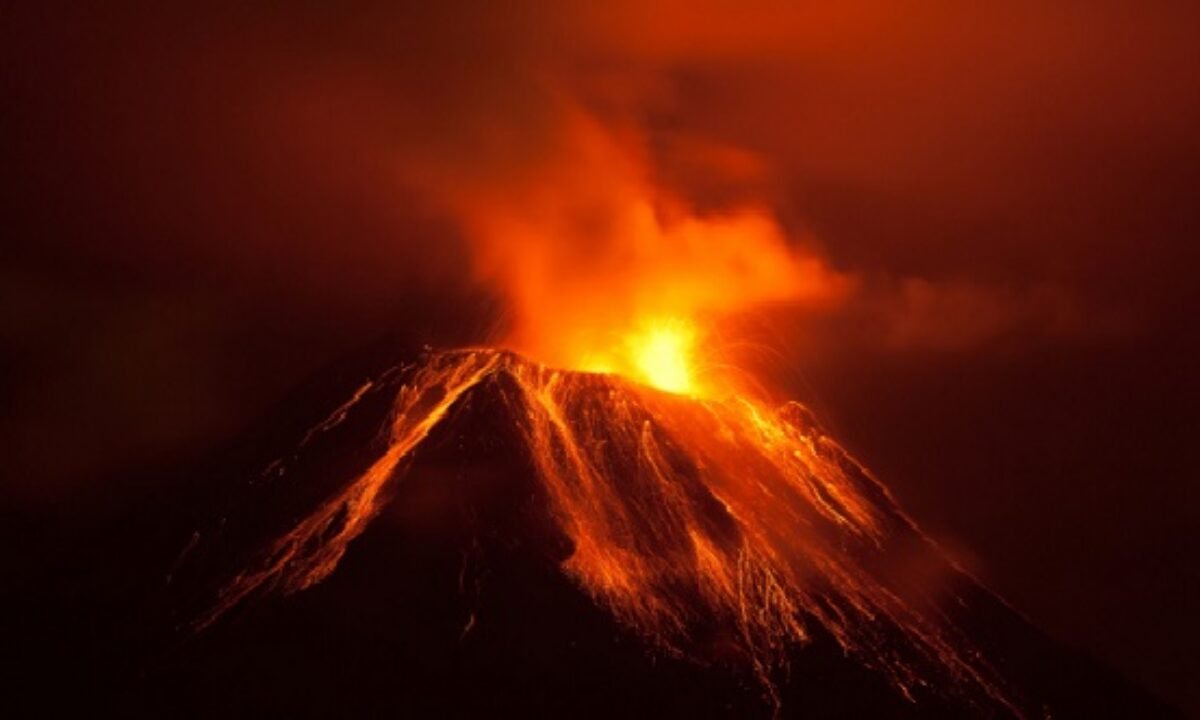
Some of the world’s most striking landscapes are also places where a small mistake can have serious consequences. From volcanic islands to remote deserts, these destinations reward attention and preparation—but their beauty should never be mistaken for safety.
This list spans ten locations where the hazards range from extreme heat and toxic gases to criminal violence and dangerous terrain. Conditions and access rules can change, so anyone considering a visit should check current official travel and safety guidance first.
Top 10 beautiful travel destinations with serious risks
10. Ciudad Juárez, Mexico
Across the border from El Paso, Texas, Ciudad Juárez has been shaped by its position on a major drug-trafficking corridor and by competition between criminal groups. Violence peaked between 2008 and 2011, when the city recorded thousands of homicides across those years. Crime and kidnapping remain risks cited in travel warnings. The city’s location may make it seem like a convenient stop, but visitors should not assume that proximity to a major US city makes travel there risk-free.
9. Bikini Atoll, Marshall Islands
Turquoise water, reefs and pale beaches give Bikini Atoll an idyllic appearance. Its history is far less serene: the United States conducted 67 nuclear tests at or near the atoll between 1946 and 1958, including the Castle Bravo test. Residents were relocated, and contamination remains a concern. The source material reports that studies have found levels of cesium in soil and food sources that make the atoll unsafe for permanent habitation. Its beauty does not erase the long-term hazards associated with radiation exposure.
8. Gruinard Island, Scotland
Often called Anthrax Island, Gruinard lies in Gruinard Bay on Scotland’s northwest coast. British scientists used it for anthrax experiments during the Second World War, leaving the island contaminated and closed to access for decades. A decontamination effort was completed in 1990, and the island was declared safe, but access remains restricted. Its unsettling reputation stems from a documented chapter of biological-weapons research, rather than from an ordinary wilderness hazard.
7. Death Valley, California
Death Valley’s salt flats, volcanic formations and Ubehebe Crater draw visitors to one of the hottest environments on Earth. The valley recorded an air temperature of 134°F (56.7°C), and summer ground temperatures can rise higher. Heat and dehydration are major concerns; sudden flash floods, abandoned mines and rattlesnakes add to the risks. The landscape can be spectacular, but exploring it without water, route planning and awareness of conditions can quickly become dangerous.
6. North Yungas Road, Bolivia
Known as Death Road, the North Yungas route once connected La Paz with Coroico. Its narrow, cliffside track, steep drops, fog and heavy rain made it infamous among drivers. A modern highway has replaced much of its former traffic, but the old road has become an adventure-cycling destination. The change in use has not removed the hazards: riders still face exposure to falls and rapidly changing weather on a challenging route.
5. Anak Krakatoa, Indonesia
Anak Krakatoa—“Child of Krakatoa”—rose from the sea after the catastrophic 1883 eruption of Krakatoa. The active volcano remains unpredictable. In December 2018, a partial collapse of its flank triggered a tsunami that killed hundreds along nearby coastlines. Eruptions, ash and lava are continuing concerns, as are underwater landslides that can generate tsunamis. Authorities enforce an exclusion zone, making a casual boat trip to the island an unsafe choice.
4. Danakil Desert, Ethiopia and neighbouring countries
The Danakil region, shared by Ethiopia, Eritrea and Djibouti, is known for vivid mineral pools and volcanic terrain. It is also extremely hot, with daytime temperatures that can exceed 120°F (50°C), and some areas sit below sea level. Volcanic gases and acidic springs pose additional hazards. The region’s security situation can also be volatile; guided travel and security arrangements may be required, particularly near the Eritrean border. Visitors should verify current conditions and restrictions before making plans.
3. Valley of Death, Kamchatka, Russia
Near Kikhpinych Volcano on the remote Kamchatka Peninsula, the Valley of Death is known for animal remains and an inhospitable landscape. Volcanic gases, including carbon dioxide and hydrogen sulfide, can accumulate in low-lying areas. Some gases are difficult to detect, and exposure can incapacitate or kill. The area’s remoteness and limited monitoring make it especially unsuitable for casual exploration.
2. The Darién Gap, Colombia–Panama border
The roadless Darién Gap interrupts the Pan-American Highway between Central and South America. Dense jungle, swollen rivers, disease, venomous animals and a lack of infrastructure make crossing arduous. Criminal activity, including robbery and human trafficking, adds a human threat. The region is also used by people migrating north, often under highly dangerous conditions. A guided expedition does not make the terrain or security risks disappear.
1. Skeleton Coast, Namibia
Namibia’s Skeleton Coast combines the Namib Desert with the cold Atlantic waters of the Benguela Current. Fog, strong currents and sandbars have contributed to numerous shipwrecks; the source material estimates that around 500 wrecks remain along the shore. Survivors could face isolation, dehydration and exposure. Wildlife, including lions, hyenas and jackals, adds to the challenges in some areas. Its stark scenery is compelling, but distance from help is a crucial part of the risk.
Beauty is no substitute for preparation
These destinations are not dangerous for a single reason: each has its own mix of environmental, historical or security concerns. Before visiting any remote or hazardous place, check current government travel advice, respect access restrictions and use qualified local guidance where required. The clearest takeaway is simple: admire the landscape, but make decisions based on reliable safety information—not photographs or the promise of adventure.