Britain’s next political chapter is coming into focus fast. Andy Burnham rules out early general election plans if he succeeds Keir Starmer, signalling continuity rather than a sudden reset at the top of UK government.
That message matters well beyond Westminster. For investors, developers, and design-led sectors that depend on policy stability, Burnham’s stance points to a calmer near-term outlook as Labour prepares for a leadership transition. While the political story sits outside luxury architecture and interiors on the surface, major government decisions on tax, infrastructure, business support, and UK-EU relations often shape confidence across premium property, hospitality, and design markets.
Andy Burnham Rules Out Early General Election and Backs Manifesto Continuity
The clearest takeaway from Burnham’s latest comments is simple: Andy Burnham rules out early general election action and says he would govern according to Labour’s 2024 manifesto. In practical terms, that suggests no immediate push to seek a fresh public mandate, despite the change in leadership.
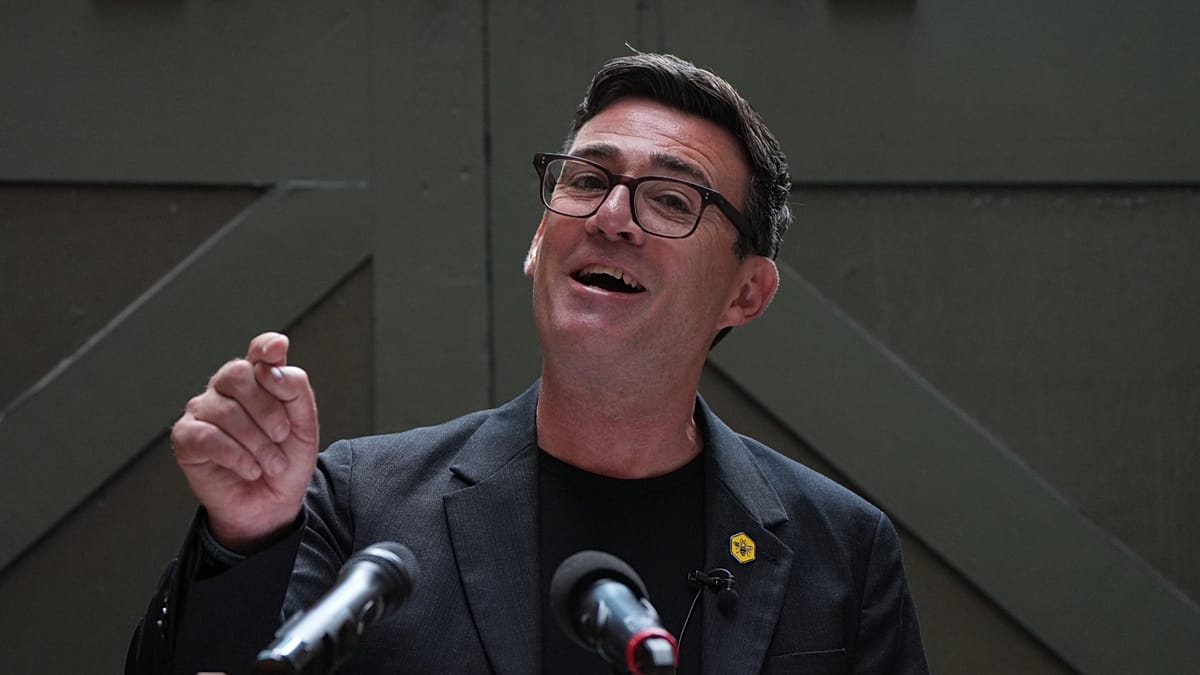
Speaking during a public online question-and-answer session, Burnham said he would “work to the 2024 manifesto,” reinforcing the idea that Labour’s existing policy platform remains the governing framework. That manifesto was central to the party’s landslide win and includes major pledges on fiscal discipline, public services, and taxation.
For markets, continuity can be as important as policy ambition. A leader who steps in without triggering an early election may reduce short-term uncertainty in several areas:
- Business planning and investment timelines
- Commercial property confidence
- Consumer sentiment
- Infrastructure and regeneration expectations
- Longer-term development financing
In sectors linked to luxury design and real estate, predictable government direction often supports better decision-making. Premium residential schemes, boutique hospitality projects, and mixed-use urban regeneration all benefit from confidence in the policy environment.
What Burnham’s Position Means for UK Business and Investment
Because Andy Burnham rules out early general election disruption, businesses are likely to focus less on campaign politics and more on the substance of what a Burnham-led government might do within Labour’s current fiscal boundaries.
Those boundaries are significant. Labour’s manifesto committed not to raise income tax, national insurance, or VAT for workers, limiting room for dramatic tax-and-spend changes. Burnham has suggested there may still be flexibility in other areas, including possible tax changes affecting warehouses, with the aim of supporting high street businesses such as pubs.
That detail may seem narrow, but it reflects a wider governing challenge: how to stimulate local economies while staying within strict fiscal rules. For place-makers, designers, and developers, this could translate into a policy mix focused on:
- Town centre revitalisation
- Support for local hospitality and retail
- Targeted tax adjustments rather than sweeping reform
- Regeneration-led growth in urban areas
Burnham’s political identity has long been associated with city-region leadership and regional development, especially through his tenure in Greater Manchester. That background could matter if he moves into Downing Street with a stronger focus on local economic resilience, transport-linked growth, and community-oriented regeneration.
Why Stability Matters to Luxury Property and Design
Luxury architecture, luxury interiors, and premium design businesses are highly sensitive to macro confidence. Political stability affects construction pipelines, foreign investor sentiment, lending conditions, and the pace of new high-end developments. When Andy Burnham rules out early general election uncertainty, the immediate signal is one of steadier governance rather than abrupt electoral upheaval.
That does not mean risk disappears. Leadership changes can still reshape ministerial priorities, planning emphasis, and public spending. But avoiding a snap election lowers the chance of a short, sharp pause in decisions across development and investment markets.
Foreign Policy, EU Ties, and the Broader Economic Backdrop
Another important part of Burnham’s remarks was his promise to maintain the UK’s support for Ukraine at the same level as Starmer. He also indicated a desire to continue seeking closer ties with the European Union.
These positions matter economically as well as diplomatically. Stronger UK-EU cooperation can influence trade sentiment, labour mobility conversations, supply chains, and broader investor confidence. For design-led industries sourcing materials, managing cross-border clients, or operating in international real estate circles, closer European engagement could be viewed as constructive.
The luxury sector often depends on a web of international relationships, from artisan manufacturing and furniture procurement to hotel branding and overseas capital flows. A government that favours pragmatic EU engagement may be seen as supportive of smoother long-term commercial conditions.
Electoral Reform Could Be a Longer-Term Political Story
Although Andy Burnham rules out early general election plans, he also used the moment to restate his backing for electoral reform. He said he supports moving away from Britain’s first-past-the-post voting system and wants to persuade Labour to include reform in its next manifesto.
This is not an immediate policy shift, but it is politically notable. Burnham framed electoral reform as a route to more collaborative, problem-solving politics rather than point-scoring. With UK voter support increasingly spread across multiple parties, pressure for a more proportional system has grown.
In the near term, this stance is unlikely to reshape business conditions directly. Over the longer term, however, a more consensus-driven political system could alter how major planning, housing, infrastructure, and urban development policies are negotiated.
Key Political Signals From Burnham’s Comments
- No immediate general election if he becomes prime minister
- Commitment to Labour’s 2024 manifesto
- Continued UK support for Ukraine
- Interest in closer EU ties
- Support for future electoral reform
- Possible targeted tax flexibility within existing fiscal rules
What Happens Next?
Burnham is currently the only candidate to replace Starmer, making his path to the leadership increasingly clear. If confirmed, his first challenge will be balancing continuity with enough distinct political identity to show that a new administration can still evolve.
For now, Andy Burnham rules out early general election speculation and offers a message of controlled transition. That may reassure businesses, property stakeholders, and investors who prefer a stable runway over another immediate national campaign.
In a period when political shocks can quickly rattle confidence, Burnham’s position is straightforward: keep governing, stick to the manifesto, and leave the next national vote on the existing timetable. The clearest takeaway is that Andy Burnham rules out early general election drama, prioritising continuity at a moment when the UK economy and investment climate may value it most.