

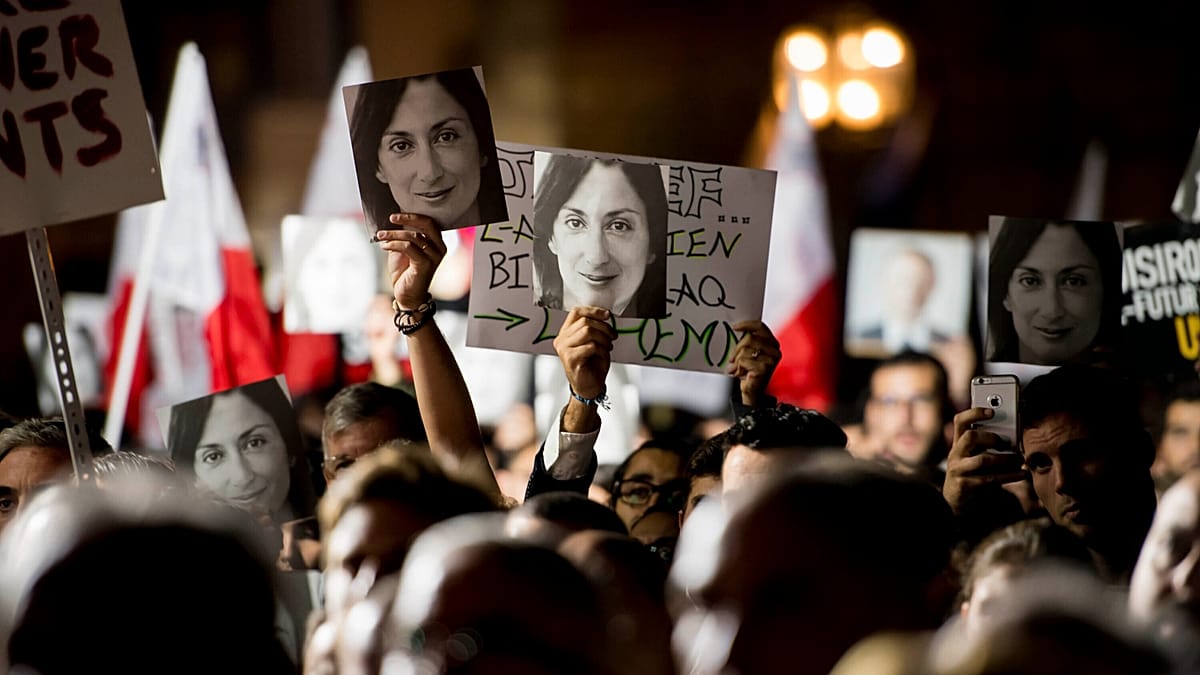
Luxury architecture and luxury design are often celebrated as symbols of progress, taste and ambition. But in Malta, a case now unfolding in court is a stark reminder that behind polished developments, elite networks and high-value contracts, questions of power, accountability and transparency can shape the built environment in troubling ways. The Daphne Caruana Galizia trial has returned global attention to the island nation, not only because of the horrific murder itself, but because of what it suggests about the intersection of business interests, political influence and public scrutiny.
The trial centers on Yorgen Fenech, a businessman accused of masterminding the 2017 killing of investigative journalist Daphne Caruana Galizia. Prosecutors allege that a €150,000 cash payment, a handshake agreement and a coded text message formed part of the chain that led to her death in a car bomb attack near her home. Fenech denies the charges, and the proceedings are expected to continue for several weeks.
Why the Daphne Caruana Galizia Trial Matters Beyond Crime Reporting
At first glance, this may seem far removed from conversations around luxury interiors, high-end real estate or landmark development. In reality, the Daphne Caruana Galizia trial highlights a broader issue relevant to anyone tracking premium property markets and design-led investment: the integrity of institutions matters.
Caruana Galizia was known for exposing corruption at the highest levels of Maltese public life. Her reporting examined links between political figures, business elites and major commercial activity. One of the reasons this case resonates so deeply is that Malta’s economic transformation has long been tied to prestige projects, energy infrastructure, tourism investment and upscale development.
For luxury sectors, reputation is everything. Buyers, investors and designers want confidence in:
- the rule of law
- clean procurement processes
- transparent planning decisions
- stable governance
- ethical business ecosystems
When a country faces allegations of corruption surrounding influential figures, the effects can extend far beyond headlines. They can alter investor trust, international perception and the desirability of premium markets.
The Allegations Presented in Court
According to reports from the opening phase of the Daphne Caruana Galizia trial, prosecutors laid out a detailed account of how the murder was allegedly arranged. Court proceedings heard that an intermediary was asked to find people willing to kill the journalist. That individual then reportedly contacted brothers Alfred and George Degiorgio, who were allegedly offered €150,000.
The prosecution case, as cited in Maltese reporting, claims the sum was handed over in cash in a brown envelope. The Degiorgio brothers were later sentenced to 40 years in prison each in connection with the killing. An accomplice, previously sentenced to 15 years, reportedly described how the group first considered shooting Caruana Galizia before choosing a car bomb instead.
The attack was carried out on 16 October 2017. Explosives had allegedly been placed beneath the driver’s seat of her Peugeot 108 and detonated by coded text message.
These details are shocking on their own. But the deeper significance of the Daphne Caruana Galizia trial lies in what Caruana Galizia had been investigating before she was killed: alleged corruption, opaque relationships and elite influence in Malta.
Business, Power and Malta’s International Image
Malta has spent years cultivating an image that blends Mediterranean heritage with modern development. Its waterfront projects, boutique hospitality, restored townhouses and upscale residential offerings have made it increasingly attractive to affluent buyers and international investors. Yet the Daphne Caruana Galizia trial forces a harder conversation about what sustains long-term value in luxury markets.
Elegant buildings and premium interiors can capture attention, but trust sustains markets over time. When governance appears compromised, even the most desirable destinations can face reputational strain.
Key concerns raised by the case
- Whether political and business ties influenced public decision-making
- How major contracts were awarded and scrutinized
- Whether institutions were strong enough to resist elite pressure
- How international investors interpret legal and ethical risk
Fenech, who was arrested in 2019 while attempting to leave Malta on his yacht, had previously been linked in reporting to major commercial interests, including a state energy contract. That connection has only intensified public interest in the case and in the wider structures of influence surrounding it.
What This Means for Luxury Architecture and Design Audiences
For readers focused on luxury architecture, luxury design and luxury interiors, the lesson is not that aesthetics matter less. It is that context matters more. The Daphne Caruana Galizia trial underscores how design, development and wealth do not exist in isolation from civic life.
In premium markets, the most valuable assets are not only materials, views or square footage. They also include confidence in the systems behind them. Sophisticated investors increasingly look beyond finishes and floorplans to assess:
- political stability
- regulatory transparency
- reputational risk
- ethical development practices
- media freedom and institutional accountability
This is especially true in destinations where high-end development has become central to economic branding. A strong luxury market depends on more than design excellence; it relies on public trust, legal clarity and a culture where scrutiny is possible.
A Trial With Lasting Consequences
The killing of Daphne Caruana Galizia sparked outrage far beyond Malta. It drew attention across Europe to press freedom, the rule of law and the vulnerability of journalists investigating powerful interests. It also contributed to a political crisis that eventually led to the resignation of then-prime minister Joseph Muscat in 2020 amid mounting public anger.
Now, as the Daphne Caruana Galizia trial unfolds, Malta is again under an international spotlight. The proceedings may shape not only legal accountability in one of Europe’s most closely watched murder cases, but also the country’s global credibility.
For industries tied to luxury real estate, architecture and high-end design, that credibility matters. Places associated with discretion, sophistication and investment appeal must also demonstrate that their institutions function fairly and transparently.
Conclusion
The Daphne Caruana Galizia trial is more than a criminal proceeding. It is a test of Malta’s institutions, a reckoning over the relationship between wealth and power, and a warning that prestige alone cannot protect a nation’s reputation. In luxury architecture and design, beauty may shape first impressions, but accountability defines lasting value. That is the clearest takeaway from the Daphne Caruana Galizia trial as the world watches what happens next.