

When a public health emergency makes headlines, most people think about hospitals, borders, and policy. But for architects, interior designers, and developers, it also raises an urgent question: how can luxury design create spaces that are both beautiful and resilient?
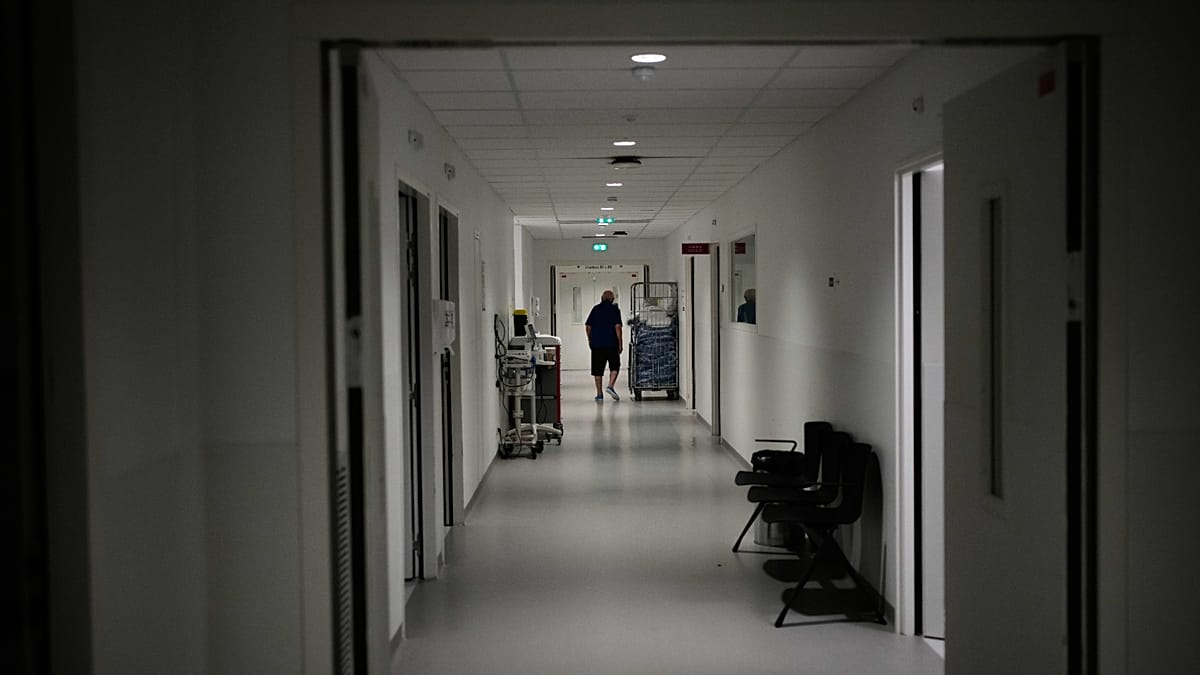
France’s recent confirmation that its first diagnosed Ebola patient has recovered and been discharged safely highlights more than a successful medical response. It underscores the growing importance of crisis-ready environments, where planning, materials, circulation, and privacy all work together. In the world of luxury architecture, that idea is becoming increasingly relevant.
Luxury Design Meets Health Security
The reported case involved a humanitarian doctor arriving from the Democratic Republic of Congo, who was isolated promptly after symptoms worsened during travel. French authorities followed strict monitoring and containment protocols, including isolation for close contacts. While Ebola is not considered highly contagious through casual contact, its severity demands precision, speed, and robust systems.
For the luxury property sector, this event reinforces an emerging truth: luxury design is no longer defined by aesthetics alone. Today, premium spaces are expected to deliver:
- Exceptional privacy and controlled access
- Advanced air handling and sanitation systems
- Flexible room functions for isolation or wellness use
- High-performance materials that are elegant and easy to maintain
- Seamless integration of health-conscious technology
In other words, luxury now includes preparedness.
What Luxury Architecture Can Learn From High-Protocol Environments
Medical isolation units and high-end residences may seem worlds apart, yet they share a common design challenge: managing movement, safety, and comfort without causing stress. The best luxury design often borrows quietly from sectors where precision matters most.
1. Thoughtful Circulation and Zoning
One of the clearest lessons from controlled healthcare settings is the value of circulation planning. In ultra-premium homes, penthouses, private estates, and boutique hospitality projects, zoning can support both convenience and risk management.
Examples include:
- Separate staff and guest routes
- Private wellness wings with dedicated ventilation
- Discrete service entries and delivery vestibules
- Transition spaces between outdoor and indoor areas
These features are not only practical; they enhance exclusivity. A well-zoned residence feels calmer, more intuitive, and more secure.
2. Materials That Combine Beauty and Performance
High-end interiors increasingly prioritize surfaces that are visually refined yet durable and easy to sanitize. Natural stone, treated wood, antimicrobial metals, and advanced composite materials can all support this shift.
In modern luxury design, performance is becoming part of the specification process from the outset. Designers are asking not just how a surface looks in daylight, but how it wears, cleans, and supports long-term wellbeing.
3. Invisible Technology, Elevated Experience
Health-conscious design does not need to feel clinical. In fact, the most successful premium spaces conceal complexity behind a serene visual language. Touchless entry systems, smart ventilation monitoring, water purification, and discreet wellness sensors can all be integrated without disrupting the atmosphere.
That is where luxury design stands apart: technology serves the experience rather than dominating it.
The Rise of Wellness-Focused Luxury Interiors
Wellness has already transformed luxury interiors, from spa bathrooms and meditation rooms to circadian lighting and purified sleep environments. Public health events only accelerate this movement.
Affluent buyers and hospitality guests are now more aware of how space affects physical and mental wellbeing. They want interiors that feel protective, restorative, and adaptable. This has led to rising demand for:
- Dedicated home wellness suites
- Guest rooms with hotel-grade filtration
- Flexible office spaces that can convert to recovery rooms
- Private terraces and garden connections
- Natural ventilation and daylight optimization
At the top end of the market, luxury design is increasingly measured by how confidently a space supports life under changing conditions.
Why Resilience Is Becoming a Luxury Essential
The French case ended with recovery after two negative PCR tests and a safe discharge from hospital, according to the health minister. That positive outcome reflects systems working properly: swift isolation, close monitoring, and protocol compliance. In the built environment, resilience works much the same way. The best projects do not wait for disruption to expose weaknesses.
For architects and developers, resilience now means designing for continuity. That could involve:
- Mechanical systems with enhanced filtration capacity
- Layout flexibility for temporary separation of spaces
- Private amenities that reduce reliance on shared facilities
- Entry sequences designed for hygiene and discretion
- Landscape strategies that extend usable living space outdoors
These are not fear-based features. They are intelligent upgrades that align with the expectations of high-net-worth clients seeking long-term value.
From Global Health Headlines to Smarter High-End Living
Although the Ebola outbreak in the DRC remains a serious public health concern, the situation in France also demonstrates the power of preparedness. That lesson extends beyond medicine. It speaks directly to the next generation of residences, hotels, and branded developments.
Designers working in luxury architecture and interiors have an opportunity to redefine what prestige means. Opulence still matters, but so do adaptability, hygiene, privacy, and peace of mind. The most forward-thinking luxury design will blend all of these into spaces that feel effortless rather than defensive.
In practical terms, this means creating homes and hospitality environments that can support everyday indulgence while also responding gracefully to uncertainty. For clients investing at the highest level, that balance is becoming a new benchmark.
Conclusion: Luxury Design Must Be Beautiful, Intelligent, and Ready
France’s successful handling of its first diagnosed Ebola case is ultimately a story of rapid response and careful systems. For the design world, it offers a broader reminder that luxury design should do more than impress visually. It should protect comfort, support wellbeing, and anticipate change.
As expectations evolve, the future of luxury design lies in spaces that unite elegance with resilience. In a world shaped by uncertainty, that may be the most valuable luxury of all.