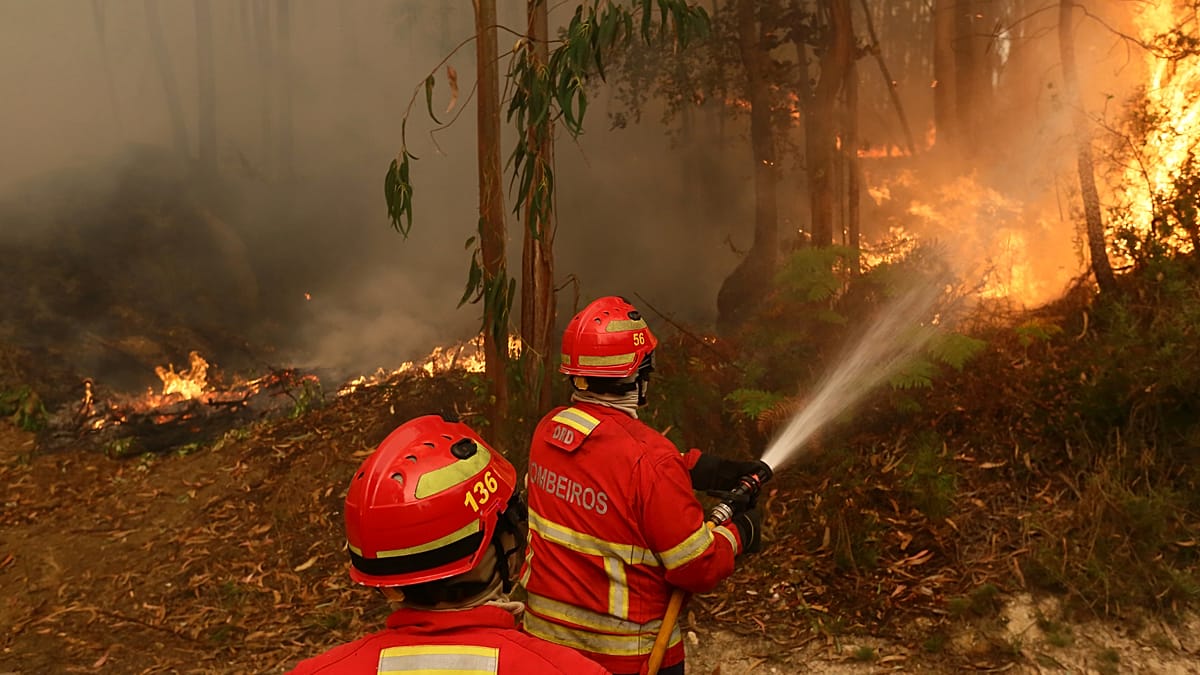
The Portugal wildfires are once again reshaping how southern Europe thinks about land, landscape, and the future of high-end living. As intense heat grips the Iberian Peninsula and a major blaze in Vouzela spreads across thousands of hectares, the emergency has drawn firefighting support from Spain and Italy—and renewed attention on how luxury architecture, luxury design, and luxury interiors must respond to climate risk.
While the immediate story is humanitarian and environmental, it also carries important lessons for property owners, architects, and designers. In fire-prone regions, resilience is no longer a technical afterthought. It is becoming a defining principle of premium residential planning.
Portugal wildfires expose new realities for luxury property planning
Portugal activated the European Civil Protection Mechanism as the Vouzela fire intensified, prompting two Italy-based Canadair water-bombers and more than 100 firefighters with dozens of support vehicles from Spain to assist local crews. Authorities also placed mainland Portugal under alert as temperatures climbed toward extreme highs.
The scale of the emergency is striking. The Vouzela blaze has burned a vast area, injured multiple people, and required more than a thousand firefighters, hundreds of vehicles, and aircraft support. For owners of rural estates, vineyard homes, boutique retreats, and architect-designed residences, the Portugal wildfires are a reminder that environmental volatility is now central to real-estate decision-making.
In luxury markets, scenic isolation has long been a selling point. But wooded hillsides, panoramic valleys, and countryside seclusion also come with exposure to wildfire danger, especially during prolonged heatwaves.
What the Portugal wildfires mean for luxury architecture
The Portugal wildfires highlight why luxury architecture in southern Europe must move beyond aesthetics alone. Today, truly exceptional design pairs beauty with durability, defensible siting, and climate-aware construction.
Site selection is becoming more strategic
Architects and developers are increasingly evaluating:
- Vegetation density around the property
- Topography and wind exposure
- Emergency access routes for fire services
- Distance from heavily forested land
- Availability of water storage or suppression systems
A dramatic hilltop villa may still be desirable, but planners are now more likely to model evacuation access, ember exposure, and buffer zones before finalizing a concept.
Material choices matter more than ever
In wildfire-sensitive areas, premium materials are being reassessed for both performance and elegance. Increasingly favored options include:
- Stone, concrete, and rammed earth exteriors
- Fire-rated glazing systems
- Metal roofing with high resistance to sparks and embers
- Non-combustible terrace and cladding materials
- Landscape schemes that reduce fuel loads near the home
The Portugal wildfires underscore that the most future-ready luxury homes will be those that integrate these safeguards without compromising visual sophistication.
Luxury design is shifting toward resilience-led landscapes
Landscape design has become one of the most important conversations in upscale residential projects. In the context of the Portugal wildfires, lush grounds can no longer be judged only by their beauty. They must also be designed for survivability.
Defensible space can still feel luxurious
Many homeowners assume fire-conscious landscaping will look sparse or overly utilitarian. In reality, top landscape designers are creating refined outdoor environments using:
- Gravel courtyards and sculptural stone gardens
- Low-flammability native planting palettes
- Irrigated green zones close to the structure
- Minimalist water features that support cooling and visual calm
- Terraced hardscaping that acts as both design statement and fire break
This approach aligns especially well with contemporary Mediterranean design, where restrained planting, natural textures, and shaded outdoor rooms already define luxury.
Outdoor living must account for heat extremes
With temperatures in Portugal expected to climb as high as 44°C in some areas, heat resilience is inseparable from fire resilience. Designers are responding with deeper verandas, high-performance shading, cooler paving materials, and better passive ventilation strategies. These moves improve comfort while reducing mechanical dependence.
The Portugal wildfires are therefore part of a wider climate-design shift: homes must now be prepared not just for seasonal warmth, but for prolonged and dangerous heat events.
How luxury interiors can support safety and long-term value
Though wildfire protection often focuses on the exterior envelope, luxury interiors also play a role in resilience planning. For homeowners, especially those with secondary residences in Portugal or elsewhere in southern Europe, interior design is beginning to include emergency-minded thinking.
Interior planning is becoming more practical
High-end interiors in vulnerable regions may now incorporate:
- Dedicated safe storage for documents, art, and valuables
- Smart home systems with remote monitoring and air-quality alerts
- Advanced filtration to manage smoke intrusion
- Fire-resistant doors and compartmentalized zones
- Backup power systems for security and climate control
These features may not be the most visible elements of luxury interiors, but they are increasingly important to preserving both comfort and investment value.
Wellness design now includes environmental protection
Clean air, thermal stability, and psychological security are becoming core pillars of premium interior environments. In that sense, the Portugal wildfires are not only an external threat; they are influencing how interior spaces are conceived as refuges during periods of climate stress.
European cooperation offers a bigger lesson for the property sector
Spain and Italy’s support for Portugal, coordinated through the European Civil Protection Mechanism, shows how wildfire risk now exceeds national boundaries. That same logic applies to design and development. Best practices in fire-resistant architecture, emergency planning, and landscape management are becoming a shared Mediterranean priority.
For luxury property stakeholders, the message is clear:
- Climate resilience is now a premium feature
- Design excellence must include risk mitigation
- Rural and resort properties need stronger long-term planning
- Buyers are likely to ask tougher questions about wildfire exposure
The Portugal wildfires may be a breaking news event, but their implications will extend well beyond this season.
Conclusion
The Portugal wildfires are a stark reminder that the future of luxury living in southern Europe depends on more than location and style. From architecture and landscape planning to luxury interiors and smart safety systems, climate resilience is becoming an essential part of sophisticated design. For homeowners, developers, and designers alike, the takeaway is simple: the most desirable properties of the future will be those built not only to impress, but to endure.