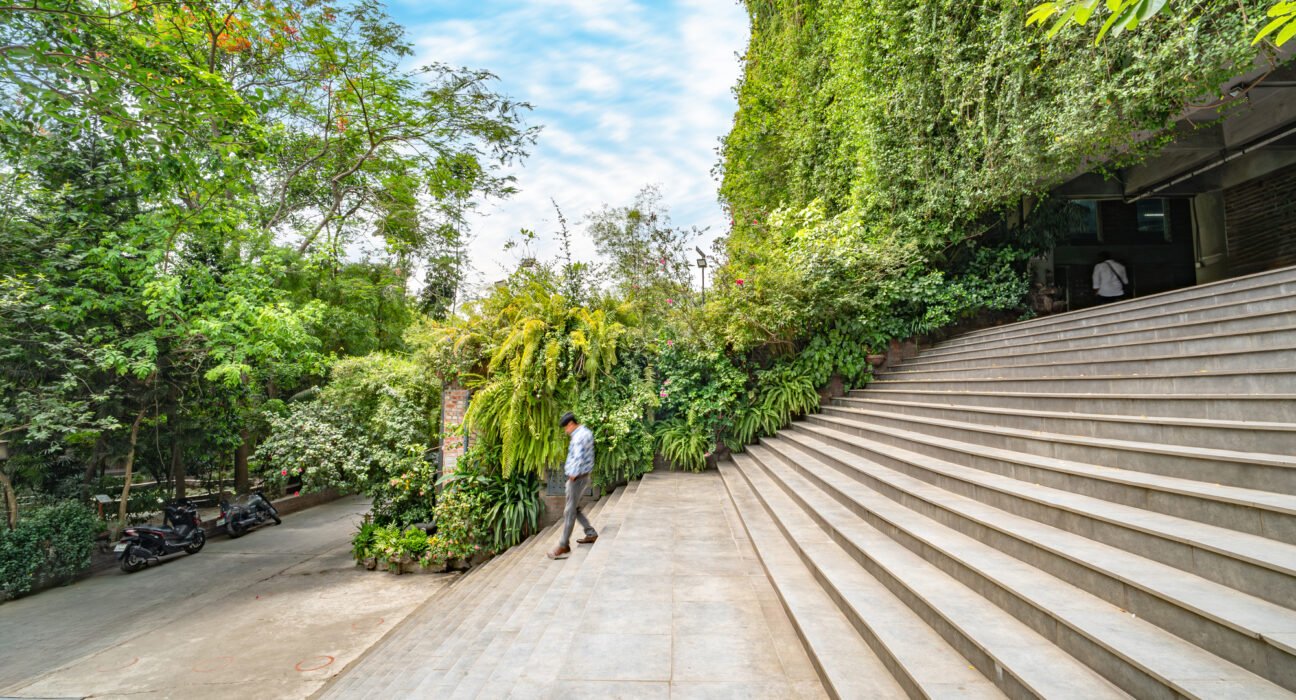
In major architecture news, a factory in northern Bangladesh has just redefined what industrial design can look like at the highest international level. Nakshabid Architects’ Green Field Factory in Rangpur has been awarded the RIBA International Prize 2026, earning global recognition for turning a workplace into a humane, environmentally responsive, and socially ambitious piece of architecture.
For readers interested in luxury architecture, luxury design, and the future of elevated everyday spaces, this win is significant. It shows that excellence is no longer measured only by exclusivity or spectacle, but also by how thoughtfully a building serves its users, its landscape, and its wider community.
Architecture News: Why Green Field Factory Matters
The RIBA International Prize, established in 2016, honors a building anywhere in the world that demonstrates originality, visionary thinking, and exceptional execution while making a meaningful contribution to people and place. In 2026, that distinction went to Green Field Factory, a 13,450-square-meter rug manufacturing facility designed for around 5,000 employees in Robertsongonj, Rangpur, Bangladesh.
What sets this project apart in architecture news is its radical rethinking of the industrial typology. Rather than treating the factory as a sealed machine for production, Nakshabid Architects conceived it as a restorative environment inspired by the Bengali homestead. The result is a workplace organized around courtyards, gardens, verandahs, water bodies, and shaded circulation spaces that prioritize daylight, air, comfort, and dignity.
The award jury recognized the building as an alternative model for factory design and operation, particularly in a regional context where industrial architecture has often been associated with unsafe conditions and stark social divides.
A New Model for Industrial Luxury Design
Although Green Field Factory is not “luxury” in the conventional sense, it embodies many of the values now shaping luxury design: craftsmanship, wellness, material intelligence, emotional experience, and social responsibility. It elevates the ordinary through thoughtful design rather than decorative excess.
Designing dignity into the workplace
One of the project’s most powerful gestures is also one of its simplest: everyone enters through the same front door. In many factory settings, management and workers use separate entrances, reinforcing hierarchy from the moment a person arrives. Here, a single entrance establishes a more democratic spatial experience.
Inside, workers encounter a Bonolota sculpture, a traditional Bengali symbol of female strength and empowerment. This artwork sets the tone for an interior journey that reflects women’s roles in work, family, and society. The building then unfolds through grand ceremonial staircases, spatial elements more commonly associated with civic or palatial architecture than industrial facilities. By giving all employees access to this sense of grandeur, the project quietly challenges assumptions about who deserves beauty and architectural ceremony.
Biophilic architecture at an industrial scale
Another reason this project stands out in architecture news is its environmental intelligence. The factory is rooted in a biophilic design strategy that supports well-being while reducing dependence on mechanical systems.
- Natural ventilation helps maintain comfort throughout the building
- Daylight reduces the need for artificial lighting
- Rainwater harvesting supports resource efficiency
- Water reservoirs and passive cooling moderate temperature naturally
- Green facades, gardens, and planting create habitat for birds and insects
These choices are not just sustainable add-ons. They are fundamental to the spatial identity of the project and central to how workers experience it daily.
How Green Field Factory Blends Community, Care, and Luxury Home Principles
For audiences following luxury home, luxury decor, and luxury home decor trends, Green Field Factory offers an unexpected but relevant lesson: the most compelling spaces today borrow from the language of home. Nakshabid Architects reportedly began with a simple idea—what if a factory were designed first as a home for the people who work there?
That philosophy is visible in the project’s amenities and atmosphere. The building includes:
- A rooftop daycare center
- An on-site medical clinic
- A grocery store
- A prayer room
- A shared canteen
- A dedicated stage for performances and community events
These additions transform the factory from a single-purpose production site into a social ecosystem. In design terms, this mirrors a broader movement seen across luxury architecture and hospitality: spaces perform best when they support the full lives of the people who use them.
The use of courtyards, verandahs, greenery, and communal zones also resonates with residential and resort design, where indoor-outdoor living, wellness, and emotional comfort are increasingly prized. Green Field Factory applies those principles to industry with remarkable clarity.
What This Means in Global Architecture News
This year’s architecture news also highlights a broader shift in what major awards choose to celebrate. Green Field Factory prevailed over a shortlist that included notable cultural and institutional projects in Belgium and Bangladesh, proving that socially engaged industrial architecture can stand alongside more traditional prestige commissions.
The recognition arrives at a moment when the architecture world is paying closer attention to labor conditions, climate resilience, and inclusive design. In that context, Green Field Factory feels both timely and influential.
Its win suggests several emerging priorities in global design discourse:
- Human-centered planning matters just as much as formal expression.
- Environmental performance is now inseparable from architectural excellence.
- Beauty in everyday building types is a serious design ambition, not a niche idea.
- Social equity can be embedded in circulation, symbolism, and amenities.
For the luxury sector especially, this is an important cue. Prestige in architecture is increasingly linked to ethics, care, and long-term value—not simply rarity or cost.
Why Designers and Homeowners Should Pay Attention
There is a reason this project deserves attention beyond professional architecture circles. The ideas behind Green Field Factory can inform everything from boutique hospitality and luxury home planning to workplace interiors and wellness-focused communities.
Key takeaways include:
- Design circulation to promote equality and shared experience
- Use landscape as core infrastructure, not just decoration
- Bring daylight and fresh air deep into buildings
- Create spaces that support family life, health, and community
- Express care through architecture, not only through finishes
These principles are becoming increasingly relevant across luxury design categories, where authenticity and well-being now define lasting appeal.
In the end, this architecture news story is about far more than an award. Green Field Factory demonstrates that a building for work can also be generous, beautiful, and deeply humane. Its RIBA International Prize 2026 win marks a turning point—one that reminds architects, developers, and design-conscious readers alike that the future of great architecture lies in creating places that uplift people as much as they impress the eye.