Architecture news rarely captures the imagination quite like Barcelona. Few cities offer such a rich collision of Gothic streets, Modernisme masterpieces, waterfront reinvention, and contemporary design innovation—all wrapped in a lifestyle that speaks directly to lovers of luxury architecture, luxury decor, and elevated living.
Barcelona is more than a destination; it is an open-air design archive. From medieval stone facades to Gaudí’s dreamlike geometry and modern icons that reshaped the city after the Olympics, the Catalan capital remains one of Europe’s most inspiring places for architects, interior enthusiasts, and luxury home tastemakers alike.
Architecture News Spotlight: Why Barcelona Still Defines Great Urban Design
In today’s architecture news cycle, Barcelona stands out because it tells a complete story of how cities evolve without losing their identity. Every district reveals a new architectural chapter, showing how heritage, innovation, and urban planning can coexist.
The city’s character is deeply tied to:
- The atmospheric medieval fabric of the Gothic Quarter
- Ildefons Cerdà’s rational Eixample expansion
- Antoni Gaudí’s expressive and nature-driven forms
- Modernist and International Style landmarks
- Late 20th-century waterfront renewal and Olympic-era planning
- Contemporary buildings that engage landscape, density, and public life
For readers following architecture news, Barcelona offers a living lesson in how urban ambition can create beauty at every scale—from cathedral spires to apartment courtyards and ceremonial music halls.
The Historic Foundations of Barcelona’s Design Identity
Gothic Quarter: Density, Texture, and Timeless Atmosphere
Barcelona’s oldest core remains one of its most compelling architectural experiences. The Gothic Quarter is defined by narrow lanes, stone walls, hidden plazas, and layered building histories. It is a masterclass in urban intimacy, proving that scale and mood matter as much as monumentality.
For luxury home and luxury decor enthusiasts, this district also offers inspiration in materiality: weathered stone, wrought iron, timber detailing, and dramatic contrasts between light and shadow. These qualities continue to influence high-end residential interiors around the world.
Palau de la Música Catalana and the Power of Ornament
Among the city’s unforgettable interiors, the Palau de la Música Catalana remains a landmark of decorative artistry. Rich color, sculptural detailing, stained glass, and immersive craftsmanship make it essential viewing for anyone interested in luxury design. It demonstrates that ornament, when intelligently composed, can feel both theatrical and refined.
This is one reason Barcelona continues to dominate architecture news: it reminds designers that beauty and complexity still have a place in contemporary conversations.
Eixample and Gaudí: The Golden Age of Barcelona Architecture
Cerdà’s Urban Grid as a Framework for Elegance
The Eixample district transformed Barcelona by giving it room to grow. Its orderly grid, chamfered corners, generous boulevards, and interior courtyards created a forward-thinking urban model that still feels livable today. More than a planning exercise, Eixample became the stage for some of the most ambitious architectural experiments in Europe.
For followers of architecture news, Eixample is a reminder that visionary planning often determines whether great buildings can truly thrive.
Gaudí’s Legacy of Form, Symbolism, and Craft
No architectural guide to Barcelona is complete without Antoni Gaudí. His work pushed the limits of structure, ornament, and symbolism, creating buildings that feel alive. Across the city, his facades curve, shimmer, and ripple with a confidence that still feels radical.
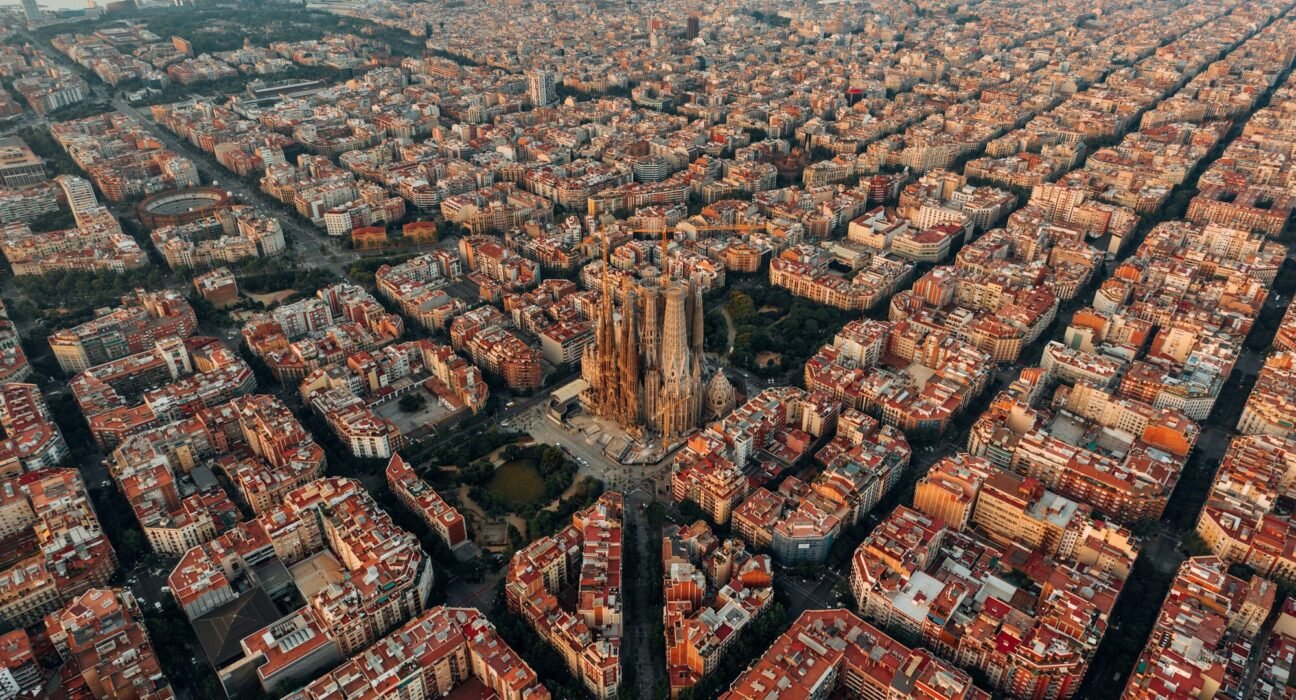
Most iconic of all is the Sagrada Família, a project that bridges history and the future. It represents not only spiritual ambition but also the city’s ongoing embrace of advanced construction techniques and digital fabrication. In the world of architecture news, it remains one of the clearest examples of how a historic vision can continue evolving in the 21st century.
Modernism, Minimalism, and Barcelona’s Global Influence
The Barcelona Pavilion and International Modernism
If Gaudí represents expressive experimentation, Mies van der Rohe’s Barcelona Pavilion embodies restraint. Its clean lines, luxurious materials, reflective surfaces, and serene proportions turned modern architecture into an experience of calm sophistication.
For luxury architecture audiences, the pavilion is especially important because it proves minimalism can still feel opulent. Marble, glass, water, and spatial sequencing create a sense of quiet grandeur that continues to shape luxury home design and premium interiors.
Collective Housing and Late 20th-Century Vision
Barcelona’s architectural story did not stop with its early masterpieces. Later figures, including Ricardo Bofill, explored new ideas in housing, monumentality, and urban community. These projects expanded the city’s design vocabulary and helped establish Barcelona as a testing ground for how people live together in dense urban settings.
That legacy still resonates in architecture news, especially as cities worldwide search for better models of housing, public space, and social design.
The Olympic Transformation and the Contemporary Waterfront
One of Barcelona’s greatest urban achievements was its 1992 Olympic transformation. The city used the event not merely for spectacle, but as a strategic opportunity to reconnect with the sea, upgrade public infrastructure, and reshape neglected areas.
Key outcomes included:
- Improved access to the waterfront
- New public spaces and civic amenities
- A stronger relationship between architecture and landscape
- An updated skyline that balanced tourism, culture, and everyday life
This period remains central to architecture news because it shows how major events can leave a lasting urban legacy when guided by long-term planning rather than short-term branding.
What Luxury Design Lovers Should Notice in Barcelona
Barcelona speaks powerfully to readers interested in luxury home decor and refined living because its buildings reveal how architecture and interiors work together. Across the city, recurring themes stand out:
- Exceptional craftsmanship in tile, stone, wood, and metal
- Natural light used as a design material
- Strong dialogue between structure and ornament
- Fluid transitions between indoor and outdoor space
- A balance of heritage detail and contemporary intervention
These qualities make Barcelona more than an architectural pilgrimage site. It is also a resource for curating a luxury home aesthetic rooted in authenticity, artistry, and enduring value.
Why Barcelona Remains Essential Architecture News
Barcelona endures because it offers more than isolated landmarks. It presents a complete urban narrative—medieval, modernist, modern, and contemporary—without losing coherence. Every layer adds depth, and every era contributes to the city’s unmistakable identity.
For anyone tracking architecture news, Barcelona remains essential because it demonstrates what great cities do best: preserve their past, experiment boldly in the present, and inspire the future. Whether you are passionate about luxury architecture, luxury decor, or simply extraordinary places, this city deserves a top place on your design travel list.