
Architecture news often celebrates striking skylines, luxury residences, and signature designers. Yet some of the most urgent stories in design are not about style alone, but about power: who gets to build, whose knowledge is valued, and how architecture can reinforce inequality when it dismisses community traditions.
In conversations across luxury architecture, luxury home design, and high-end interiors, this debate matters more than ever. When professional design systems treat traditional building knowledge as inferior or “informal,” architecture can become a colonial tool—one that erases cultural memory, weakens social ties, and privileges a narrow idea of expertise.
Architecture News and the Hidden Politics of Design
At its best, architecture shapes beautiful, functional, and deeply meaningful places. But architecture news increasingly highlights a harder truth: the built environment is never neutral. Streets, housing models, planning regulations, and even aesthetic standards can reflect social hierarchies.
Traditional architecture in many regions has long been rooted in collective knowledge. Homes were not simply objects designed by a single author; they were created through shared labor, local materials, climate wisdom, and community participation. This process did more than produce shelter. It strengthened:
- social cohesion
- cultural identity
- intergenerational knowledge transfer
- a direct relationship with land and territory
Modern professional practice, by contrast, often centers the individual architect as the sole creative authority. While technical expertise is essential, this shift can marginalize the many hands and forms of intelligence involved in creating space. In the most troubling cases, it positions institutional knowledge as superior and community knowledge as backward.
When Architecture Reinforces Racism
Racism in architecture is not always overt. It can appear through language, policy, and design standards that label non-academic or Indigenous building traditions as primitive, precarious, or unworthy of preservation. This is where architecture news intersects with social justice: the issue is not only what gets built, but whose way of building is considered legitimate.
Racialization is a social construct, not a scientific truth. Still, it continues to shape systems of power. In architecture, this can happen when communities are excluded from decision-making or when their spatial practices are replaced by imposed models that ignore local realities.
Examples of this dynamic may include:
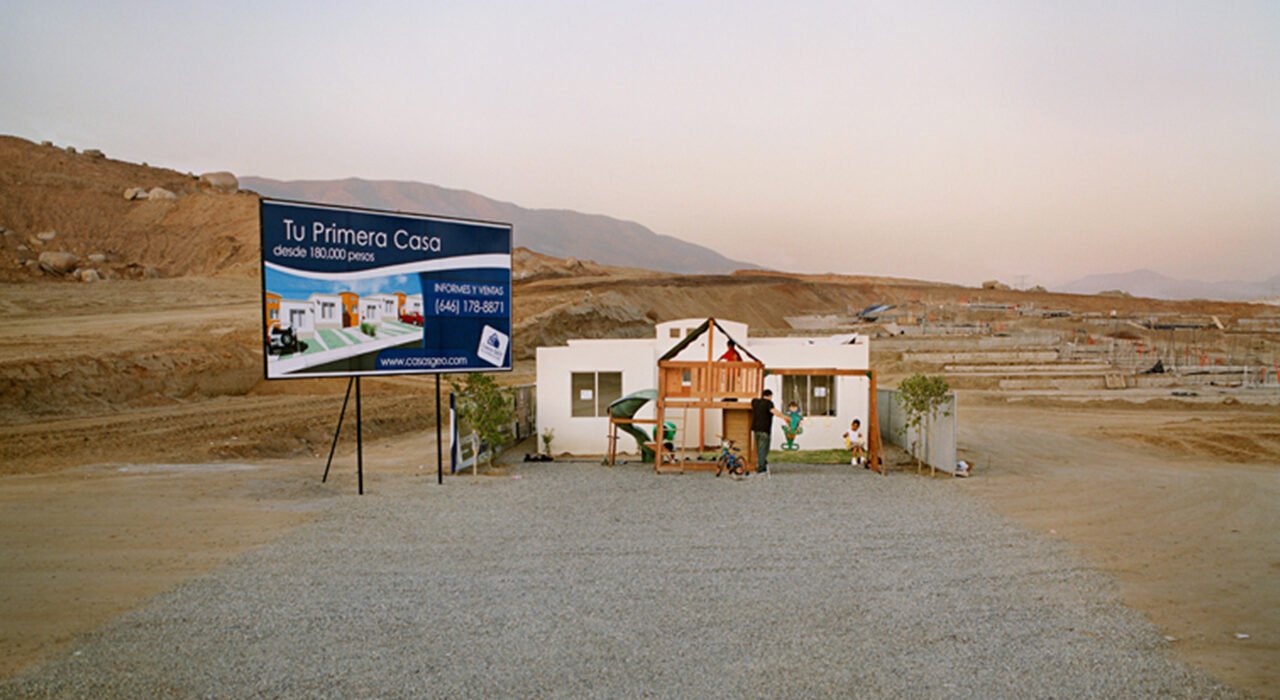
- housing programs that prioritize standardized solutions over regional knowledge
- urban renewal projects that displace long-standing communities
- design education that overlooks vernacular and Indigenous methods
- luxury development that aestheticizes heritage while excluding the people who created it
This does not mean professional architecture is inherently oppressive. It means the discipline must examine when its tools, institutions, and awards systems reproduce colonial patterns.
Why Traditional Knowledge Still Matters in Luxury Architecture
For readers interested in luxury architecture and luxury home decor, this conversation is especially relevant. High-end design increasingly draws inspiration from craftsmanship, natural materials, and place-based aesthetics. But there is a major difference between respectful collaboration and cultural extraction.
The finest luxury home projects today are often those that engage deeply with local intelligence rather than overriding it. Traditional construction systems can offer sophisticated responses to climate, comfort, and material longevity—qualities that align closely with contemporary definitions of sustainable luxury.
What traditional building knowledge brings to premium design
- Climate responsiveness: Passive cooling, thermal mass, shaded courtyards, and orientation strategies refined over generations
- Material authenticity: Stone, earth, timber, lime, and fibers used with deep regional understanding
- Cultural richness: Spatial layouts that reflect rituals, family structures, and local identity
- Craft excellence: Handmade details that add rarity, texture, and long-term value
In that sense, architecture news should not only spotlight iconic forms. It should also elevate the builders, artisans, and communities whose expertise has too often been dismissed despite informing some of the most beautiful and resilient spaces in the world.
From Author-Centered Design to Collective Intelligence
One of the most important shifts happening in contemporary design is a move away from the myth of the lone genius. Architecture is collaborative by nature. Engineers, craftspeople, laborers, residents, and local stakeholders all shape the final result.
Reframing architecture around collective intelligence can lead to more ethical and more luxurious outcomes. In luxury design, this may mean creating homes that feel rooted rather than imported—spaces that are elegant not only because they are expensive, but because they are culturally literate and environmentally attuned.
How architects and developers can respond
- Engage communities early in the design process
- Recognize vernacular building systems as sources of innovation
- Partner with local artisans and material specialists
- Avoid imposing universal aesthetics on culturally specific contexts
- Credit all contributors, not just lead designers
These practices improve more than ethics. They often enhance craftsmanship, durability, and originality—three qualities central to exceptional luxury homes and luxury decor.
What This Means for the Future of Design
The future of architecture will be shaped not only by technology and taste, but by how seriously the field confronts exclusion. As architecture news continues to evolve, readers and design professionals alike should pay closer attention to the politics behind beauty.
A truly advanced design culture does not erase traditional knowledge in the name of progress. It learns from it. It understands that community-built environments hold lessons about resilience, belonging, and identity that no global template can replace.
For the luxury sector, this is also an opportunity. The next generation of luxury architecture and luxury home decor can move beyond surface-level refinement toward something more enduring: spaces defined by respect, context, and shared authorship.
That is the clearest takeaway from today’s architecture news: when design ignores local knowledge, it can become a colonial tool; when it honors collective intelligence, it can become a force for dignity, beauty, and meaningful place-making.