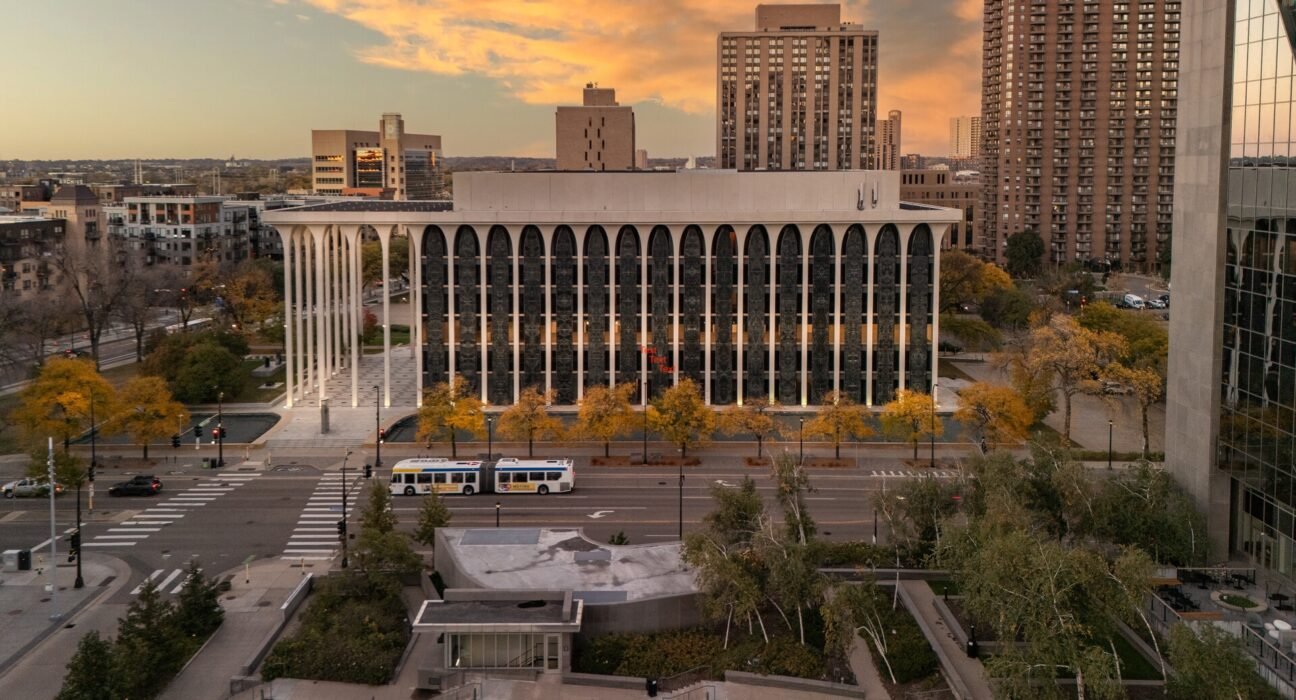
Architecture news rarely feels as layered as the reinvention of a historic modernist building, especially when one of the industry’s most recognizable design voices enters the picture. In Minneapolis, Kelly Wearstler Studio and ESG Architecture are leading a transformation of a Minoru Yamasaki building that signals how luxury design can honor legacy while reshaping the future of urban space.
This high-profile adaptive reuse story sits at the intersection of preservation, contemporary interiors, and elevated placemaking. For readers tracking luxury architecture, luxury decor, and luxury home inspiration, the project offers a compelling case study in how iconic mid-century architecture can be refreshed for a new era without losing its cultural identity.
Architecture News: Why the Minneapolis Transformation Matters
The announcement places a renewed spotlight on Minoru Yamasaki, the celebrated architect known for his refined modernist language, elegant proportions, and distinctly expressive buildings. Any intervention involving a Yamasaki property carries weight, and that is exactly why this project is resonating across architecture news channels and design circles.
What makes the story especially notable is the pairing of Kelly Wearstler Studio with ESG Architecture. Wearstler’s work is often associated with bold materiality, sculptural interiors, and hospitality-inflected luxury, while ESG brings regional expertise and architectural depth. Together, they represent a blend of global design influence and local architectural stewardship.
In practical terms, the transformation suggests several trends currently defining premium real estate and design:
- Greater interest in adaptive reuse over demolition
- Elevated demand for design-led redevelopment in city centers
- A growing focus on preserving architectural heritage while improving performance and usability
- The rise of mixed experiences that combine luxury aesthetics with cultural relevance
A New Chapter for a Minoru Yamasaki Building
Yamasaki’s buildings are often distinguished by restraint, rhythm, and a sense of formal grace. Updating such a structure requires more than cosmetic change; it demands sensitivity to the original design intent. That is why this Minneapolis redevelopment stands out in current architecture news: it is not simply about renovation, but about reinterpretation.
Rather than overshadowing the existing architecture, the most successful transformations work with the bones of the building. In a project like this, the design challenge is likely to involve balancing historic character with contemporary expectations for comfort, function, and prestige. That may include:
- Restoring signature architectural features
- Upgrading materials and finishes to meet luxury standards
- Improving circulation, amenity spaces, and natural light
- Aligning the building with modern sustainability and wellness goals
For enthusiasts of luxury home decor and luxury design, the project also reflects a larger idea: timeless architecture becomes even more powerful when thoughtful interiors amplify its original spirit instead of competing with it.
The Kelly Wearstler Effect on Luxury Design
Kelly Wearstler’s involvement immediately broadens the appeal of the Minneapolis project beyond standard redevelopment coverage. Her design language is closely watched across hospitality, residential, and commercial sectors, making this one of the more intriguing items in recent architecture news.
Wearstler is known for creating environments that feel curated, tactile, and emotionally immersive. Her spaces often feature rich stone, expressive metals, layered textiles, and art-forward compositions. Applied to a historic architectural framework, that approach can introduce warmth and drama while still respecting the discipline of the original building.
What luxury audiences can expect
Although every project is unique, a transformation guided by a studio like Wearstler’s often points toward several luxury-focused outcomes:
- Highly considered material palettes with a bespoke feel
- Interiors that merge vintage character with contemporary sophistication
- A stronger experiential identity for residents, guests, or tenants
- Design moments that feel both photogenic and enduring
For those interested in luxury decor, the real lesson is not just about opulence. It is about composition, contrast, and the confidence to let architecture and interiors speak in dialogue.
How ESG Architecture Grounds the Vision
While headline attention may center on star power, strong execution depends on architectural rigor. ESG Architecture’s role is essential in translating an ambitious concept into a coherent, buildable, and context-aware reality. That is a critical point often emphasized in serious architecture news reporting.
Regional firms bring nuanced understanding of urban context, code requirements, market conditions, and community expectations. In heritage-sensitive work, that local fluency can make the difference between a project that feels imposed and one that feels integrated.
In Minneapolis, that matters. The city has a strong design culture and a growing appreciation for buildings that connect history with reinvention. A well-calibrated redevelopment can contribute to the broader architectural identity of the downtown environment while attracting fresh attention from investors, residents, and design media.
What This Means for Luxury Architecture and Adaptive Reuse
Across the market, adaptive reuse is becoming a defining theme in architecture news. Developers, architects, and designers are increasingly recognizing that older buildings offer something many new builds struggle to replicate: authenticity. Historic structures come with texture, memory, craftsmanship, and urban presence.
In the luxury segment, those qualities are especially valuable. Discerning buyers and users often want more than polished finishes. They want narrative, uniqueness, and a sense of place. That is why projects like this one matter far beyond Minneapolis.
Why adaptive reuse is rising in luxury markets
- It preserves architectural character that cannot be easily reproduced
- It can support sustainability goals by extending a building’s life cycle
- It creates differentiated properties in competitive urban markets
- It appeals to audiences drawn to heritage, craftsmanship, and design credibility
From luxury home inspiration to large-scale commercial redevelopment, the message is clear: the future of premium design is not always about building from scratch. Often, it is about transforming what already exists with intelligence and imagination.
Final Takeaway from This Architecture News Story
This architecture news story is about more than a single building in Minneapolis. It reflects a broader shift in how the design world approaches legacy architecture, luxury experience, and urban renewal. With Kelly Wearstler Studio and ESG Architecture guiding the transformation of a Minoru Yamasaki building, the project stands as a strong example of how preservation and innovation can work together.
For anyone following luxury architecture, luxury design, or luxury home decor trends, this redevelopment is worth watching. The clearest takeaway from this architecture news moment is simple: when visionary interiors meet architectural heritage, the result can redefine not only a building, but also the design conversation around it.