Architecture news rarely captures the full complexity of a project that must work as infrastructure, public space, heritage restoration, and sustainable urban design all at once. The newly announced Valencia Central Station in Spain does exactly that, bringing together engineering group Sener with RSHP and Valencia-based ERRE to shape a transformative intermodal gateway for one of the country’s most dynamic cities.
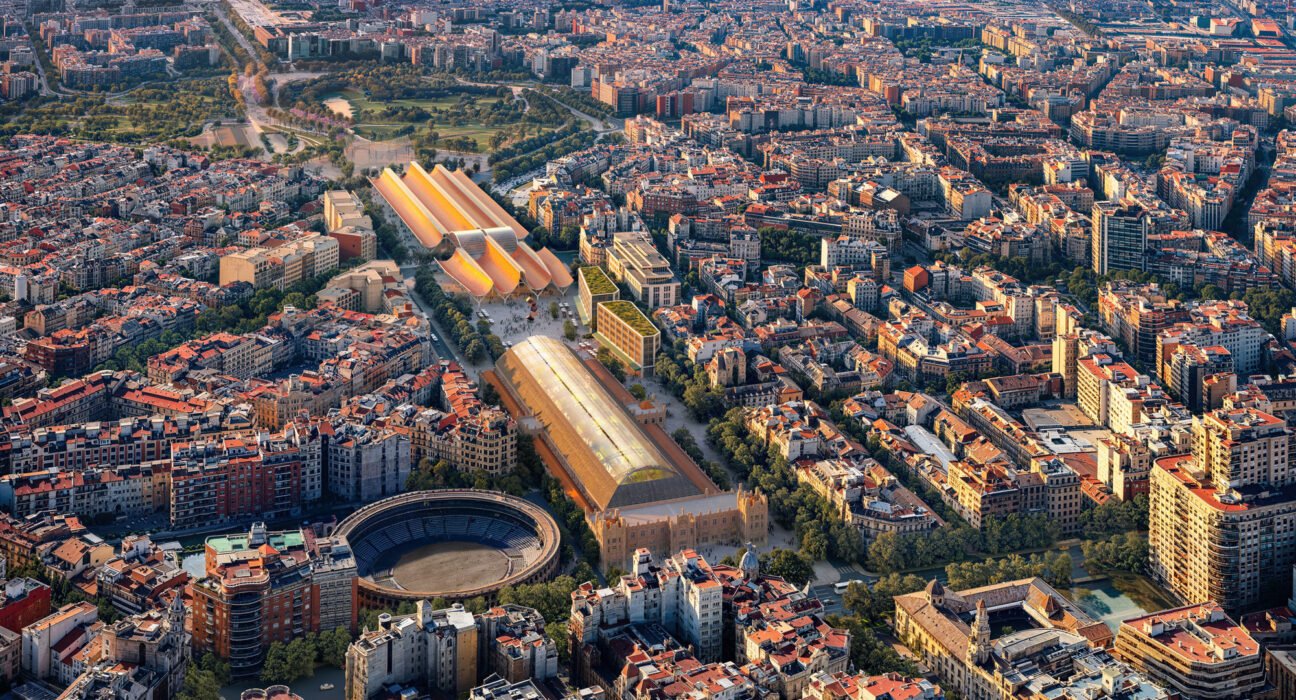
Selected by Adif Alta Velocidad’s Evaluation Committee after a design competition, the proposal envisions far more than a transport upgrade. It introduces a new underground station connected to the historic Valencia Nord Station, future Central Park, and the city’s wider mobility network. For readers following luxury architecture, luxury design, and city-making at a high level, this is architecture news with long-term cultural and urban significance.
Architecture News: A New Era for Valencia Central Station
The winning scheme positions Valencia Central Station as a major intermodal hub that will unify high-speed rail, commuter services, metro, tram, bus, taxi access, and active mobility routes such as walking and cycling. Rather than treating transit as a purely technical exercise, the design frames the station as a civic centerpiece woven into the future of Valencia.
The proposal is closely coordinated with several major urban projects, including:
- The planned Central Park
- The Access Canal project
- The future through tunnel
- The refurbishment of the historic Valencia Nord Station
This combination makes the project especially notable in current architecture news, because it is not a standalone building. It is a city-scale intervention that links infrastructure, landscape, and heritage preservation.
An Underground Rail Hub Designed for Connectivity
At the heart of the plan is a new underground station that connects the future Central Station with Valencia Nord Station. A landscaped axis will stitch these destinations together through pedestrian pathways and cycle lanes, all converging at a proposed Station Square. That public realm strategy is crucial: instead of allowing transit infrastructure to divide neighborhoods, the scheme aims to reconnect them.
One of the most important operational changes is the move from a terminus layout to through-running rail services. In practical terms, that means trains will be able to cross Valencia from north to south without needing to reverse direction. For passengers, this should improve efficiency and reduce delays. For the city, it modernizes how mobility infrastructure supports growth.
In today’s architecture news landscape, projects that balance technical performance with urban quality are increasingly valued, and Valencia’s new station appears designed with both priorities in mind.
Five Principles Shaping the Design
According to the design team, the proposal is organized around five guiding principles. These provide insight into why the scheme stood out in competition:
- Railway functionality – ensuring the station works efficiently for complex transport operations
- Urban integration – tying the station into surrounding districts and public spaces
- Architectural identity – giving the project a memorable and place-specific character
- Constructability – making the scheme realistic to build in phases
- Operational safety – maintaining secure and reliable use during and after construction
This framework is a key reason the announcement stands out in architecture news. It shows a project thinking beyond iconic form toward long-term usability, buildability, and urban value.
Historic Preservation Meets Contemporary Design
One of the most sensitive aspects of the project is the treatment of Valencia Nord Station, a designated Site of Cultural Interest. The historic station remains an important architectural landmark, and the new proposal seeks to preserve its existing façades while integrating upgraded infrastructure around it.
That balance between old and new is especially relevant for audiences interested in luxury architecture and luxury design. The most compelling high-end civic projects are not always about extravagance; often, they are about precision, restraint, and respect for context. In this case, the refurbishment of Valencia Nord Station is intended to protect its architectural and urban heritage while allowing the broader transport system to evolve.
This aspect of the story adds depth to the architecture news narrative. It is not simply a matter of building a new station, but of carefully expanding a historic urban identity.
Light, Air, and Sustainability Below Ground
Underground stations often struggle with comfort and orientation, but the Valencia Central Station proposal aims to change that. The design includes strategies to bring natural light and fresh air deep into the station, allowing daylight to reach platforms and creating visual connections between different levels.
Planned program elements include:
- Entrances and concourses
- Waiting areas and platforms
- Retail spaces
- An underground car park
The scheme also emphasizes material efficiency and lower energy demand. By relying less on energy-intensive mechanical systems, the team intends to reduce the station’s carbon footprint. Modular construction and a high degree of prefabrication are also expected to support more efficient delivery while helping maintain rail operations during construction.
In sustainability-focused architecture news, these details matter. They suggest a station designed not just for movement, but for environmental performance and user experience.
Why This Project Matters for Luxury Design Audiences
Although transport infrastructure is not always associated with luxury home decor or luxury interiors, major civic works increasingly influence broader design culture. Valencia Central Station reflects several values that resonate across luxury architecture and luxury decor categories:
- Material intelligence through efficient, high-quality construction systems
- Spatial drama created by light-filled subterranean volumes
- Heritage sensitivity in the preservation of Valencia Nord Station
- Lifestyle integration via walkability, cycling routes, and public realm design
In other words, this is architecture news that extends beyond transit. It speaks to how thoughtful design can elevate everyday urban experience, much like the best luxury residential and hospitality environments do.
The Bigger Picture for Valencia
Valencia’s new central station has the potential to reshape the city at multiple scales, from regional mobility to neighborhood connectivity and public space quality. By combining underground rail infrastructure, heritage restoration, and a landscape-led urban vision, the project sets an ambitious agenda for future station design in Spain and beyond.
As major cities rethink how transit hubs can become healthier, greener, and more integrated places, this announcement stands out in architecture news for its clarity of purpose. The RSHP and ERRE-led design, developed with Sener, points toward a model where infrastructure is not hidden from city life but actively enhances it.
For anyone tracking the future of mobility, urban regeneration, and high-level civic design, the takeaway is clear: this architecture news story is about much more than a station. It is about how Valencia is using design to connect history, sustainability, and the next chapter of urban life.