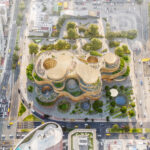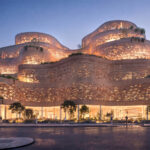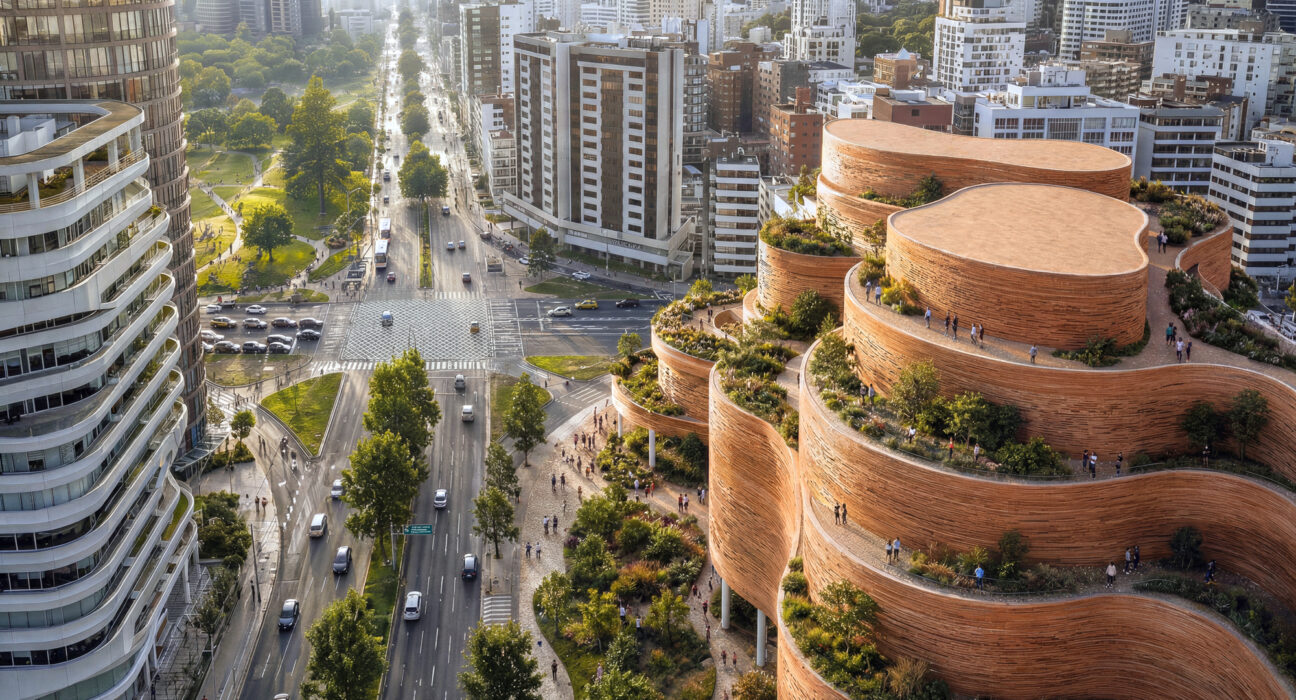
Architecture news rarely captures both cultural ambition and refined design language as clearly as this announcement from Quito. A SANAA-led team has been selected for Ecuador’s new National Museum, signaling a major moment for the country’s architectural identity and for the future of museum design in Latin America.
The project immediately stands out not only because of SANAA’s global reputation, but also because national museums carry a special responsibility: they must preserve memory, express civic pride, and welcome the public into a shared cultural experience. In a city as historically rich and geographically dramatic as Quito, that challenge becomes even more meaningful.
Architecture News: Why the Quito Museum Selection Matters
This piece of architecture news is about more than a new building. The selection of a SANAA-led proposal points to Ecuador’s desire to position its new National Museum as a landmark of both cultural importance and contemporary design excellence.
National museums are often judged on two levels at once:
- Cultural function — how well they protect and present national heritage
- Architectural presence — how effectively they embody openness, permanence, and innovation
SANAA, the Pritzker Prize-winning Japanese practice known for understated yet deeply atmospheric spaces, is uniquely suited to that balance. Their work often blends lightness, clarity, and public accessibility, qualities that are especially compelling in a museum setting.
For followers of architecture news, the decision also reflects a wider global trend: major cultural institutions increasingly favor designs that feel transparent, welcoming, and human-scaled rather than monumental in a heavy-handed way.
The SANAA Design Approach and Its Luxury Appeal
In the worlds of luxury architecture and luxury design, SANAA occupies a distinct place. The firm’s work is not about excess. Instead, it expresses luxury through precision, calm, material restraint, and an exceptional understanding of space.
That sensibility matters for a national museum. Rather than overpowering artifacts and exhibitions, a carefully composed museum creates an elegant backdrop for culture itself. This aligns strongly with current preferences in luxury architecture, where sophistication is often defined by:
- Natural light
- Seamless circulation
- Refined minimalism
- Thoughtful integration with landscape
- A sense of serenity and exclusivity
These same values increasingly shape luxury home and luxury home decor trends as well. Clean lines, tactile materials, and uncluttered interiors are no longer limited to private residences; they now influence major public buildings, especially museums, galleries, and cultural centers.
This is why the Quito project resonates beyond institutional architecture. It reflects a broader design culture in which elegance comes from proportion, atmosphere, and detail rather than ornament alone.
Quito as the Setting for a New National Landmark
Any meaningful architecture news story must consider context, and Quito offers one of the most compelling settings in the region. The Ecuadorian capital is known for its layered urban fabric, Andean topography, and deep historical significance. A new National Museum here must engage not only with contemporary civic life but also with a city shaped by heritage, altitude, and extraordinary landscape.
That raises several architectural priorities:
- Responding sensitively to the city’s visual identity
- Creating public spaces that feel inclusive and accessible
- Balancing national symbolism with contemporary aesthetics
- Designing for climate, light, and long-term sustainability
These considerations are central to why this architecture news story matters internationally. A museum in Quito cannot be generic. It must feel specific to Ecuador while remaining globally legible as a destination for art, history, and design.
How Museum Architecture Shapes Public Experience
The best museums do more than store collections. They choreograph emotion and discovery. Visitors should feel oriented but intrigued, welcomed yet inspired. SANAA’s design philosophy has often emphasized fluid movement and softly defined boundaries, which can make public institutions feel less intimidating and more immersive.
For a national museum, this is especially valuable. A successful visitor experience may include:
- Clear pathways between exhibitions
- Natural transitions between indoor and outdoor areas
- Gathering spaces for reflection and education
- Flexible galleries for evolving curatorial programs
Such qualities connect directly with luxury decor and luxury design principles, where environment shapes mood. In both homes and museums, the most memorable spaces are often those that feel effortless, balanced, and quietly exceptional.
What This Means for Luxury Design and Cultural Architecture
As architecture news continues to spotlight cultural projects around the world, museums are becoming some of the most influential examples of contemporary design thinking. They often set the tone for broader movements in interiors, materials, and spatial planning.
The Quito National Museum could become important in several ways:
- A civic symbol for Ecuador’s cultural future
- A design reference for minimalist public architecture in Latin America
- An inspiration for luxury residential and hospitality projects seeking museum-like calm
- A tourism catalyst that elevates Quito’s international design profile
For readers interested in luxury home trends, there is a useful lesson here: public architecture often influences private taste. Museums help popularize ideas about texture, openness, craftsmanship, and the emotional value of space. What begins in a world-class cultural building can eventually appear in high-end interiors, collectible furniture, and bespoke home environments.
That crossover makes this architecture news particularly relevant to audiences following luxury architecture, luxury decor, and luxury home decor. The design language of elite public buildings increasingly informs how affluent clients and designers imagine modern living.
Conclusion: A Defining Piece of Architecture News for Quito
This selection is more than a headline in architecture news. It marks a defining step in Ecuador’s investment in culture, design excellence, and civic identity. With a SANAA-led team chosen for the new National Museum in Quito, expectations are naturally high for a project that could combine international architectural prestige with a deeply local cultural mission.
If executed with the clarity and sensitivity associated with SANAA’s work, the museum has the potential to become a standout example of contemporary cultural architecture—one that speaks to historians, travelers, designers, and anyone drawn to the quiet power of exceptional space. In the evolving world of architecture news, this is exactly the kind of project worth watching.