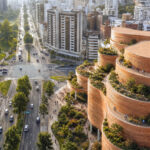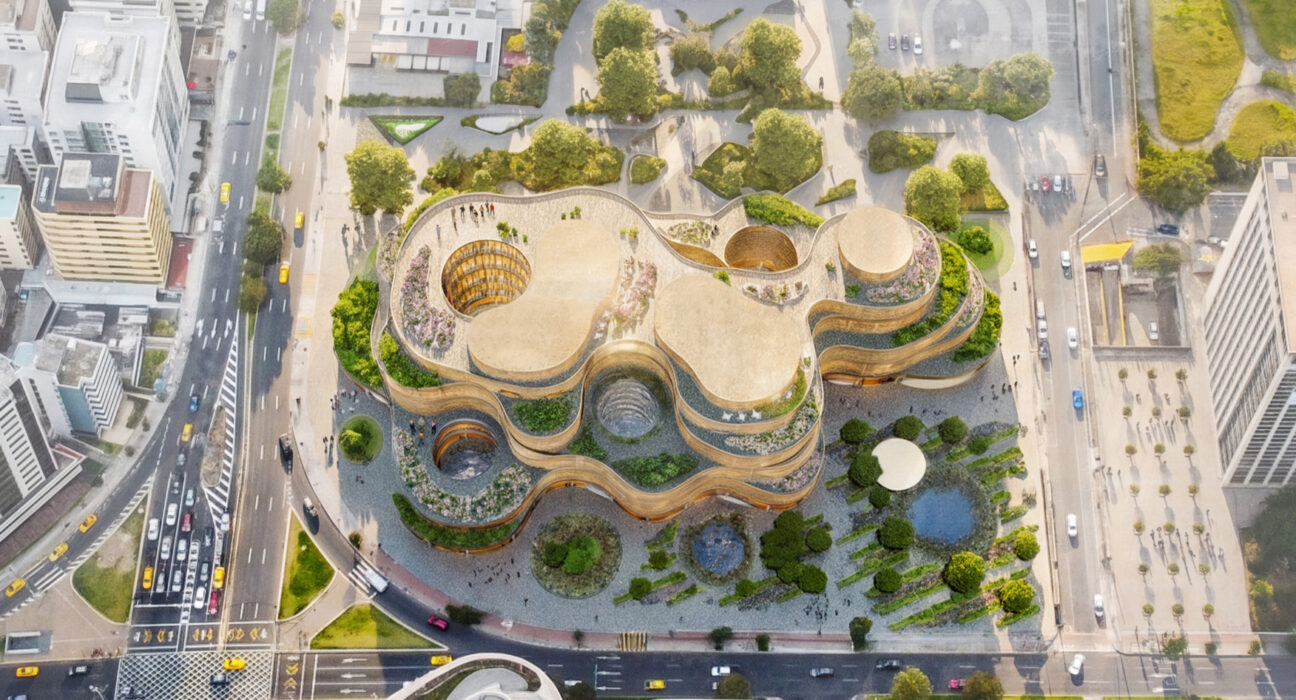
Architecture news rarely captures the imagination quite like a major national museum commission, and SANAA’s newly revealed concept for Ecuador’s future National Museum in Quito is doing exactly that. The selected design points to a cultural landmark that could reshape how architecture, landscape, and public memory come together in one of South America’s most historically layered capitals.
For readers who follow luxury architecture and refined cultural design, this project stands out for more than its prestige. It signals a broader shift toward museum spaces that feel open, civic, and deeply connected to place rather than sealed-off monumental objects. In the latest architecture news, Quito is emerging as the stage for a building that may become both a national symbol and a destination for global design enthusiasts.
SANAA’s Museum Proposal Brings Fresh Energy to Architecture News
The announcement that a SANAA-led team has been selected for Ecuador’s new National Museum immediately drew attention across international architecture news circles. Known for their restrained, light-filled, and elegantly composed work, SANAA has long been associated with buildings that dissolve boundaries between inside and outside.
That design sensibility is especially meaningful in Quito, a city defined by dramatic topography, rich cultural heritage, and a powerful urban identity. A national museum in this setting must do more than house collections. It must respond to climate, history, public life, and the symbolic importance of representing Ecuador’s diverse cultural legacy.
While only limited source details are publicly available from the reveal, the significance of the selection itself is clear:
- A world-renowned architectural team will shape one of Ecuador’s most important future cultural institutions.
- The project places Quito firmly on the map of major contemporary museum design.
- The museum is expected to become a civic anchor as well as an architectural destination.
For anyone tracking premium cultural spaces and global architecture news, this is the kind of development that signals long-term influence rather than a short-lived headline.
Why Quito Is the Ideal Setting for a New National Museum
Quito offers an unusually compelling context for a project of this scale. Nestled high in the Andes and celebrated for its historic urban fabric, the city balances colonial heritage, modern expansion, and extraordinary landscape drama. That makes the museum’s design challenge both complex and exciting.
A national museum in Quito must operate on several levels at once:
- Cultural stewardship: It must preserve and present Ecuador’s artistic, archaeological, and historical narratives.
- Urban contribution: It should create meaningful public space rather than exist as an isolated institution.
- Architectural identity: It needs a design language that feels internationally relevant while remaining rooted in local context.
This is why the project is resonating beyond standard architecture news coverage. It touches on bigger questions about national identity, tourism, and the role of design in shaping public experience.
A Luxury Architecture Perspective on the Museum Design
From a luxury architecture standpoint, what makes a museum feel exceptional is not excess but precision. The most memorable cultural buildings rely on proportion, material sensitivity, daylight control, and spatial calm. SANAA’s reputation suggests that Ecuador’s new museum may embrace exactly these qualities.
In the luxury design world, understated sophistication often has the strongest impact. Rather than competing with the artworks and artifacts it contains, a well-designed museum creates a serene setting that elevates them. This philosophy aligns closely with contemporary luxury home decor and high-end interior trends, where softness, minimalism, and tactile materials are increasingly valued.
Design observers will likely watch for several hallmarks as more information emerges in future architecture news updates:
- Fluid circulation that encourages discovery
- Natural light handled with careful restraint
- A strong relationship between architecture and landscape
- Public zones that feel welcoming rather than imposing
- Material palettes that communicate quiet elegance
These qualities matter because museums today are judged not only by their collections, but by the emotional experience of moving through them.
How Cultural Buildings Influence Luxury Design and Home Trends
Major museum projects often have an impact far beyond the cultural sector. They influence high-end residential design, bespoke interiors, and even luxury home styling. That is one reason this story deserves attention within luxury decor and luxury home categories as much as in architecture news.
Here’s how museum architecture frequently shapes broader design culture:
1. Minimalism with Meaning
Leading museums show how minimal forms can still feel warm, human, and symbolic. This approach increasingly appears in luxury homes, where owners seek calm spaces with deeper narrative value.
2. Indoor-Outdoor Continuity
When architects blur the threshold between building and landscape, the result often inspires premium residential planning, especially in courtyards, terraces, and garden-facing living spaces.
3. Material Authenticity
Cultural buildings tend to foreground stone, concrete, wood, and glass in honest, expressive ways. The same preference now defines much of today’s luxury home decor market.
4. Experiential Space Planning
Museums are carefully choreographed environments. That logic increasingly informs luxury interiors, where movement, framing, and atmosphere are treated as essential design elements.
Seen through this lens, the Quito museum is not just a cultural institution in development. It is also a case study in how world-class public architecture can ripple into the language of private luxury living.
What to Watch Next in Architecture News
As the project develops, more detailed architecture news will likely reveal how the design addresses exhibition spaces, visitor flow, sustainability, and integration with the city. Those aspects will determine whether the museum becomes merely a striking new building or a truly transformative public landmark.
Key questions remain important:
- How will the museum frame Ecuador’s national story?
- What role will landscape and public access play?
- How will the architecture respond to Quito’s altitude, light, and terrain?
- Will the interiors balance monumentality with intimacy?
The answers will matter not only to architects and curators, but also to travelers, collectors, and luxury design audiences looking for the next defining cultural destination.
Conclusion: Why This Quito Museum Matters
In a crowded cycle of global architecture news, SANAA’s selected design for Ecuador’s new National Museum stands out because it joins cultural ambition with architectural refinement. The project has the potential to become a landmark for Quito, a symbol for Ecuador, and an influential reference point for luxury architecture and design thinking worldwide.
If realized with the clarity and sensitivity the team is known for, this museum could demonstrate how contemporary civic architecture can be elegant, inviting, and profoundly connected to place. That is why this story deserves close attention in the months ahead—and why it may remain one of the most important pieces of architecture news to follow.