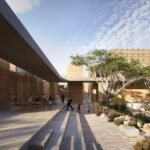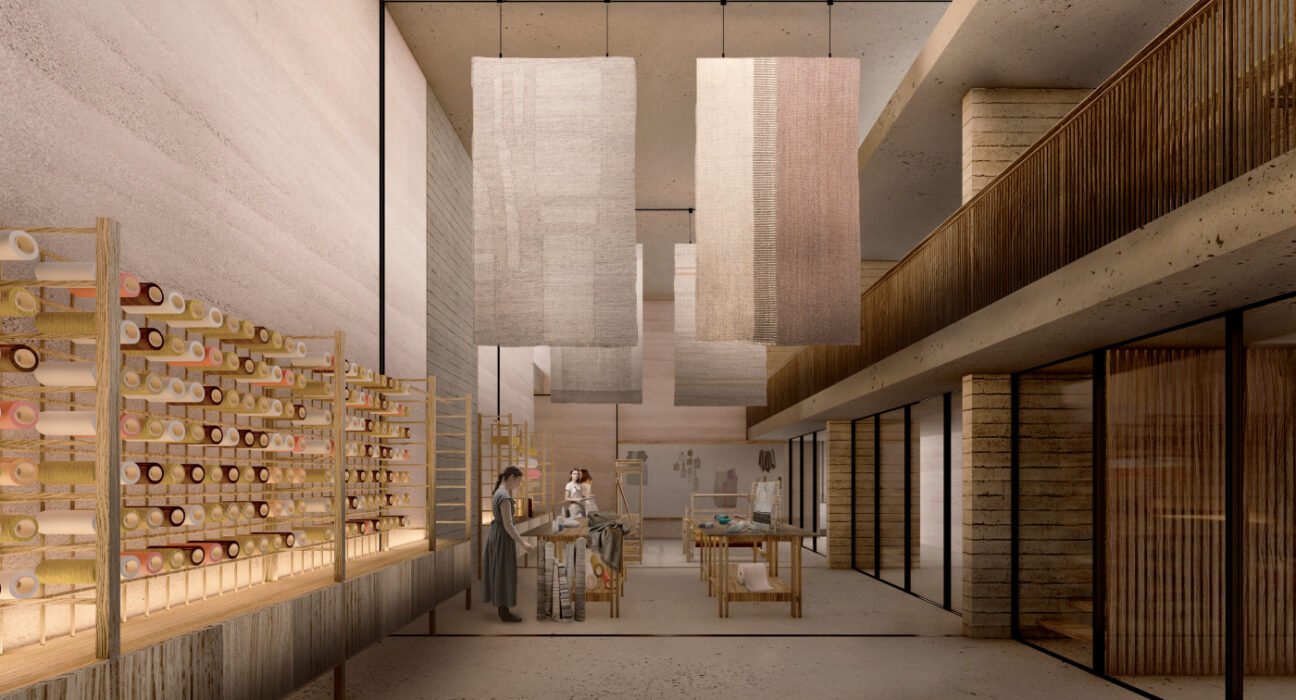
Architecture news rarely captures both environmental urgency and design ambition as clearly as the latest announcement from the Sharjah Design Centre. Set to open in 2029, the planned rammed earth building signals a bold step for the UAE, pairing material innovation with a refined vision for luxury architecture in a climate-conscious era.
For readers following high-end design, the project is especially notable because it challenges the idea that luxury must rely on glass, steel, and imported finishes. Instead, it points toward a future where tactile materials, regional identity, and sustainable construction become central to premium spaces.
Architecture News: Why the Sharjah Design Centre Project Matters
This piece of architecture news stands out because rammed earth is still relatively rare in major contemporary cultural projects in the Gulf. The Sharjah Design Centre’s plans suggest a growing confidence in building with natural materials at an institutional scale, while also reinforcing Sharjah’s reputation as a hub for art, culture, and forward-thinking design.
Rammed earth construction involves compacting layers of soil to create solid walls with striking horizontal banding and substantial thermal mass. The result is a building material that feels both ancient and highly relevant, especially in regions where heat, energy use, and resource efficiency are key architectural concerns.
From a luxury design perspective, rammed earth offers qualities that many premium clients increasingly value:
- Rich texture and depth that cannot be replicated by synthetic finishes
- A sense of permanence and craftsmanship
- Natural color variation tied to local geology
- Excellent thermal performance when designed correctly
- A strong connection between architecture and place
That combination makes this architecture news significant not just for public architecture, but also for luxury home and luxury home decor trends worldwide.
What Rammed Earth Means for Luxury Architecture
In the world of luxury architecture, materiality is everything. High-end buildings are no longer judged only by scale or cost; they are increasingly evaluated by how intelligently they respond to climate, culture, and sensory experience. Rammed earth answers all three.
Unlike polished surfaces that can feel anonymous, rammed earth walls introduce visual warmth and a handcrafted presence. Their layered appearance creates a quiet sophistication that aligns with today’s most desirable interiors and exteriors. This is one reason why architecture news around earthen construction continues to gain traction among designers, developers, and design-focused homeowners.
A New Language of Luxury
The most compelling luxury spaces now emphasize authenticity over excess. In that context, earthen architecture can feel more exclusive than conventional premium materials because it is site-responsive, labor-intensive, and visually unique. No two rammed earth surfaces are exactly alike.
This approach also complements several evolving preferences in luxury decor and luxury design, including:
- Muted, natural palettes inspired by landscapes
- Organic textures that add depth without clutter
- Sculptural forms rooted in craftsmanship
- Eco-conscious choices that do not compromise elegance
Seen through that lens, the Sharjah Design Centre project is more than a single building announcement. It is a signal that sustainable architecture can also be aspirational architecture.
Climate, Culture, and the Appeal of Earthen Construction
One reason this architecture news resonates so strongly is its regional relevance. In hot climates, materials with thermal mass can help moderate indoor temperatures by absorbing heat during the day and releasing it more slowly as temperatures drop. While performance always depends on the full building system, rammed earth can contribute meaningfully to passive environmental strategies.
Just as important is the cultural dimension. Earthen building has deep roots across many parts of the world, including arid and desert regions. Reinterpreting that legacy in a contemporary civic building creates a powerful dialogue between heritage and modernity.
For a design center, that symbolism matters. The building itself becomes a teaching tool, showing how historical knowledge can inform future-facing solutions in sustainable construction, material research, and spatial design.
Why Sharjah Is a Fitting Setting
Sharjah has steadily built an international reputation for championing culture, architecture, and public discourse. A rammed earth design center fits naturally within that context, presenting the emirate as a place where design is not treated as surface styling but as a serious civic and environmental practice.
That broader narrative gives this architecture news extra weight. It reflects a regional commitment to architecture that is intellectually grounded, materially expressive, and publicly meaningful.
Lessons for Luxury Home and Interior Trends
Even if most readers are not planning a civic building, this architecture news has direct relevance for residential design. The principles behind rammed earth architecture can influence how luxury homeowners, architects, and interior designers think about future projects.
Key takeaways for the luxury home market include:
- Prioritizing natural materials with visible character
- Using wall surfaces as focal design elements
- Designing for passive comfort, not just mechanical cooling
- Blending minimalism with warmth through earth-toned finishes
- Emphasizing regional context rather than generic global style
In luxury home decor, this translates into plaster-like textures, stone, limewash, clay hues, handcrafted furnishings, and interiors that feel serene rather than overly polished. The influence of architecture often trickles down into decor, and projects like this can shape market taste for years.
Looking Ahead to 2029
As the opening date approaches, this architecture news will likely be watched closely by architects, sustainability advocates, and luxury design audiences alike. The project promises to test how earthen construction can perform at a contemporary institutional level in one of the world’s most climate-challenging regions.
If executed well, the Sharjah Design Centre could become a benchmark for future cultural buildings and a reference point for designers seeking low-carbon, high-impact architecture. It may also encourage developers and private clients to reconsider what prestige looks like in the built environment.
That is perhaps the most exciting aspect of this architecture news: it expands the conversation about luxury. Instead of equating sophistication with extravagance, it suggests that true design leadership lies in restraint, intelligence, and a deep respect for place.
Conclusion
The Sharjah Design Centre’s 2029 rammed earth building is more than a striking project announcement; it is a meaningful piece of architecture news that speaks to the future of sustainable luxury. By elevating a humble, historic material into a contemporary cultural landmark, the project shows how luxury architecture can become richer, smarter, and more rooted in its environment. For anyone tracking where high-end design is headed next, this is architecture news worth watching.