Architecture news rarely captures sustainability, regional identity, and luxury design in one announcement, but the Sharjah Design Centre’s newly revealed plans do exactly that. Set to open in 2029, the project points to a future where natural materials, climate-responsive thinking, and refined spatial experience sit at the heart of high-end architecture.
The upcoming building is especially notable for its use of rammed earth, a construction technique that is both ancient and increasingly relevant in contemporary design. In a region often defined by glass towers and concrete megaprojects, Sharjah’s decision signals a more grounded architectural direction—one that values material honesty, environmental performance, and cultural resonance. For readers tracking luxury architecture and design innovation, this is one of the most compelling developments to watch.
Architecture News: Why the Sharjah Design Centre Project Matters
The announcement of a rammed earth building for the Sharjah Design Centre is important for several reasons. First, it highlights how major cultural institutions are embracing low-impact building methods without compromising on sophistication. Second, it reflects a wider movement in global architecture toward regenerative materials and place-specific design.
Sharjah has long positioned itself as a serious cultural capital in the Gulf, investing in museums, biennials, education, and public-facing creative initiatives. A design centre built in rammed earth extends that identity through architecture itself. Rather than treating the building as a neutral shell, the project appears to make the structure part of the institution’s message.
That message is timely:
- Sustainable architecture can also be luxurious.
- Traditional materials can support contemporary forms.
- Regional climates demand smarter, lower-energy design responses.
- Cultural buildings can lead by example in material innovation.
What Rammed Earth Means for Contemporary Luxury Architecture
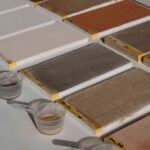
Rammed earth is made by compacting layers of natural earth within formwork to create solid walls with distinctive stratified textures. The result is tactile, sculptural, and visually rich—qualities that align surprisingly well with luxury design when executed at a high level.
In today’s premium residential and cultural sectors, luxury is no longer defined only by rare finishes or extravagant scale. It is increasingly expressed through authenticity, craftsmanship, thermal comfort, and a stronger connection to landscape. Rammed earth delivers on all of these fronts.
A Material with Depth and Character
Unlike painted drywall or generic cladding systems, rammed earth has natural variation. Its layered surface records the building process, giving walls a sense of permanence and artistry. In a luxury context, that texture can create interiors and exteriors that feel calm, grounded, and deeply curated.
Performance in Hot Climates
For a project in Sharjah, rammed earth also offers practical value. Thick earthen walls can provide thermal mass, helping moderate indoor temperatures by absorbing heat during the day and releasing it more slowly over time. While modern building systems will still play a role, this passive performance can support more efficient climate control.
Luxury Through Restraint
One of the most powerful shifts in luxury home decor and luxury design is the move away from excess. Natural materials, muted palettes, and sensory richness now define many of the most elegant spaces. Rammed earth fits perfectly within that language, offering a refined minimalism that feels both contemporary and timeless.
How the Project Reflects Broader Design Trends
This piece of architecture news also aligns with several macro trends reshaping the industry. Architects, developers, and design institutions are all reconsidering how buildings are sourced, built, and experienced.
Key trends reflected in the Sharjah Design Centre plans include:
- Climate-responsive architecture — Designing with local environmental conditions rather than relying solely on mechanical systems.
- Material regionalism — Using materials that connect buildings to local geology, craft traditions, and heritage.
- Experiential minimalism — Creating spaces that feel luxurious through light, proportion, texture, and silence.
- Cultural sustainability — Treating architecture as a vehicle for preserving and evolving regional identity.
These ideas have become increasingly influential across luxury home, luxury decor, and high-end hospitality design. Clients and institutions alike are looking for spaces that tell a deeper story. Buildings that age gracefully, respond to climate, and offer emotional resonance are now seen as more desirable than purely image-driven architecture.
What This Could Mean for Luxury Home and Interior Design
Although the Sharjah Design Centre is a cultural project, its influence could extend well beyond the public realm. High-end residential architecture often takes cues from experimental civic and institutional design, especially when it comes to materials and environmental strategy.
Expect this kind of architecture news to inspire interest in:
- Earthen feature walls in luxury homes
- Natural plaster and mineral-based finishes
- Warm, desert-informed color palettes
- Indoor-outdoor layouts that reduce energy demand
- Handcrafted surfaces as alternatives to synthetic perfection
For luxury home decor, the appeal is obvious. Earthen architecture pairs beautifully with stone, linen, brushed wood, bronze, and soft natural light. The aesthetic is understated yet rich, rooted in texture rather than ornament. As more clients seek serene interiors with a strong sense of place, the influence of projects like this will likely grow.
Sharjah’s Growing Role in Global Design Conversations
Another reason this architecture news deserves attention is Sharjah’s rising status in the international design world. While Dubai often dominates headlines for spectacle, Sharjah has built a reputation around cultural substance, academic engagement, and thoughtful urban development.
A design centre housed in a rammed earth building reinforces that positioning. It suggests a model for the Gulf that is less about visual excess and more about long-term relevance. For architects and designers, that shift is significant. It opens the door to new conversations about what modern Middle Eastern architecture can be: innovative, luxurious, and ecologically attuned.
Just as importantly, the 2029 timeline allows the project to arrive as part of a broader global rethinking of construction. By then, low-carbon materials and passive design strategies may no longer be niche ambitions—they may be baseline expectations for leading institutions.
Why This Architecture News Signals a New Kind of Prestige
Prestige in architecture is changing. Increasingly, the most admired buildings are not those that simply look expensive, but those that embody intelligence, restraint, and responsibility. The Sharjah Design Centre’s planned rammed earth building appears poised to do exactly that.
For followers of architecture news, this project stands out because it combines forward-looking sustainability with a deeply tactile and elegant material palette. For those interested in luxury architecture, luxury design, and luxury home inspiration, it offers a clear takeaway: the future of high-end design may be more elemental, more local, and more enduring than ever before.
As architecture news continues to spotlight projects that balance beauty with environmental logic, Sharjah’s 2029 landmark already feels like a defining example of where luxury architecture is headed next.