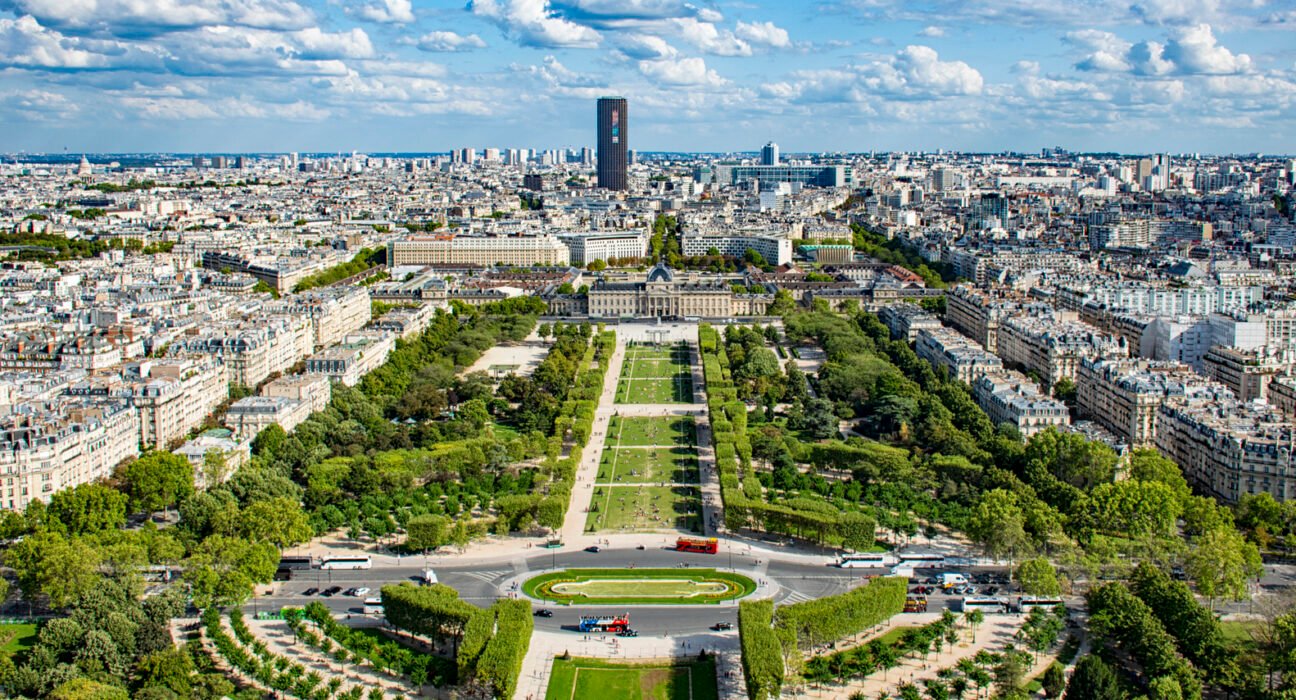
In the latest Architecture news, World Cities Day 2026 is drawing global attention to one of the defining design and development challenges of our time: how to regenerate cities while delivering adequate housing for all. Observed on October 31 and hosted in Fuzhou, China, this year’s theme, “Regenerating the City: Adequate Housing for All”, reframes housing not as an isolated building problem, but as part of a broader urban ecosystem that includes mobility, public space, resilience, and neighborhood quality.
For readers across luxury architecture, luxury home, and luxury design, the message is especially relevant. The world’s most successful cities are not simply those with iconic skylines or high-end residences, but those that create lasting value through livability, connectivity, and climate-ready design. That shift is redefining what quality urban development looks like at every level.
Architecture News Spotlight: Why World Cities Day 2026 Matters
According to the United Nations, as many as 3.4 billion people worldwide still lack adequate housing, secure tenure, affordable living conditions, or reliable access to basic services. This year’s World Cities Day responds to that reality by emphasizing urban regeneration over expansion alone.
Rather than focusing only on building new housing stock, the event highlights how cities can improve what already exists:
- Upgrading infrastructure in established neighborhoods
- Improving access to transport and services
- Expanding and restoring public spaces
- Designing for climate adaptation and long-term resilience
- Supporting communities through more inclusive planning
This is a major theme in current Architecture news because it reflects a wider industry shift. Urban planners, architects, landscape designers, and policymakers are increasingly treating housing as inseparable from the streets, parks, schools, and transit networks that make daily life possible.
Housing Must Be About More Than Shelter
One of the strongest takeaways from this Architecture news story is that adequate housing means far more than a roof and four walls. A home’s location, affordability, construction quality, and access to utilities all shape whether it truly supports a dignified life.
Climate pressure raises the stakes. Flooding, extreme heat, storms, and environmental displacement are forcing cities to reconsider where and how housing is built. Resilient housing now depends on integrated thinking across land use, infrastructure, and social support systems.
What adequate housing increasingly requires
- Safe, durable construction suited to local environmental conditions
- Access to clean water, sanitation, and energy
- Reasonable proximity to jobs, schools, and healthcare
- Affordability without social isolation
- Community participation in planning and redevelopment
In practical terms, this means architects and developers must think beyond standalone projects. Even in premium residential markets, long-term value is tied to neighborhood resilience and quality of life. Luxury architecture today is increasingly linked to sustainability, urban accessibility, and social intelligence in planning.
Public Space Is Urban Infrastructure, Not Just an Amenity
Another key thread in this Architecture news update is the growing recognition that public landscapes do essential infrastructural work. Parks, waterfronts, green corridors, and civic open space are no longer viewed merely as beautification measures. They are active systems that help cities absorb rainfall, reduce urban heat, strengthen biodiversity, and provide cooling relief during extreme weather.
This perspective is transforming urban design. Landscape strategies such as sponge city planning, restored waterways, and adaptive park systems show how green space can solve multiple challenges at once. Well-designed public space can:
- Improve stormwater management
- Reduce pressure on drainage infrastructure
- Create healthier microclimates
- Support recreation and social cohesion
- Increase surrounding property and neighborhood value
For luxury design and luxury home decor audiences, this is an important parallel: the most desirable homes increasingly depend on their relationship to high-quality shared environments. A prestigious address is no longer just about interiors or views, but about access to climate-responsive, beautifully maintained public realm.
Mobility Shapes Opportunity Across the City
No discussion in Architecture news about housing can ignore transportation. How people move through a city determines access to employment, education, healthcare, and leisure. Poorly connected neighborhoods often face deeper inequality, even when housing exists.
World Cities Day 2026 emphasizes mobility as a core ingredient of livable urban regeneration. Car-dominated planning has fragmented many cities, while walkable streets, cycling infrastructure, and strong public transit can reconnect communities and improve everyday life.
Key mobility priorities emerging in urban design
- Safer pedestrian-first streets
- Better integration of transit modes
- Stronger links between peripheral and central districts
- Accessible infrastructure for all ages and abilities
- Reduced dependence on private cars
This is where luxury urbanism is also evolving. High-end developments increasingly market proximity, walkability, and transit access as part of their value proposition. In contemporary city-making, exclusivity alone is less compelling than seamless connection.
Livable Neighborhoods Are the Real Measure of Urban Success
The final major theme in this Architecture news cycle is neighborhood livability. Global rankings and economic indicators can be useful, but they often overlook what residents actually experience day to day. Access to parks, schools, clinics, shaded streets, local services, and safe gathering places often matters more than broad citywide branding.
Livability happens at the neighborhood scale, where design decisions directly influence wellness, community trust, and belonging. Strong neighborhoods usually share several traits:
- Green space within easy reach
- Mixed uses that support daily convenience
- Public institutions embedded into community life
- Inclusive planning processes
- Streets that prioritize comfort, safety, and interaction
This neighborhood-first perspective offers lessons across market segments. From affordable housing initiatives to luxury home developments, the best projects now contribute to a broader urban fabric rather than operating as isolated enclaves.
What This Means for the Future of Design
The broader significance of this Architecture news story is clear: city regeneration is becoming the defining design framework of the decade. Housing, landscape, mobility, and public health can no longer be designed in silos. The next generation of successful cities will be those that repair existing urban systems while making them more equitable, beautiful, and resilient.
For architects, developers, and design-conscious homeowners alike, the lesson is simple. Lasting urban value comes from interconnected thinking. Adequate housing is not only a policy goal; it is a design challenge that touches every part of the city.
As World Cities Day 2026 makes clear, the most important Architecture news is not just about landmark buildings. It is about creating cities where housing, public space, mobility, and neighborhood life work together to support a better future for all.