Architecture news rarely feels more urgent than it does on World Cities Day 2026. This year’s global observance, hosted in Fuzhou, China, turns a spotlight on one of the defining design challenges of our time: how to regenerate cities while delivering adequate housing for all.
Under the theme “Regenerating the City: Adequate Housing for All”, the conversation goes far beyond building more units. It asks architects, planners, developers, and civic leaders to rethink how housing connects with mobility, public space, resilience, and neighborhood well-being. For readers interested in luxury architecture, luxury home design, and the future of elevated urban living, the message is clear: the most desirable cities will be the ones that combine beauty, performance, and inclusion.
Architecture News from World Cities Day 2026
According to the United Nations, billions of people still lack adequate housing, secure tenure, reliable services, or affordable living conditions. That reality reframes urban design as more than an aesthetic exercise. In today’s architecture news, housing quality is inseparable from climate adaptation, infrastructure, and access to public life.
Urban regeneration offers a powerful framework because it focuses on improving what already exists. Instead of relying solely on outward expansion, cities can renew neighborhoods, upgrade public amenities, modernize transport links, and retrofit buildings to meet changing environmental demands. This approach is especially relevant in established global capitals where land is limited, property values are high, and expectations around design excellence continue to rise.
For luxury-focused audiences, this shift matters. Premium real estate is increasingly judged not just by finishes or square footage, but by:
- Walkable access to green space and cultural amenities
- Resilience to flooding, heat, and extreme weather
- Strong transit and neighborhood connectivity
- Integrated public realm design
- Long-term livability and community value
Adequate Housing Means More Than Shelter
One of the most important takeaways from this architecture news story is that adequate housing is not simply about putting a roof over someone’s head. Housing quality depends on where homes are located, how they are constructed, whether they are affordable to maintain, and how effectively they connect residents to daily life.
That broader definition is reshaping architectural priorities. Designers are being asked to deliver homes that are:
- Safe and structurally resilient
- Connected to schools, healthcare, and employment
- Supported by utilities and public services
- Adaptable to climate pressures
- Integrated into socially vibrant neighborhoods
Even in the luxury home sector, these principles apply. A high-end residence in an overheated, car-dependent, infrastructure-poor district may be visually striking, but it falls short on future value. Meanwhile, homes embedded in regenerated neighborhoods with strong public space, better mobility, and environmental design are likely to remain more desirable over time.
Public Space as Urban Infrastructure
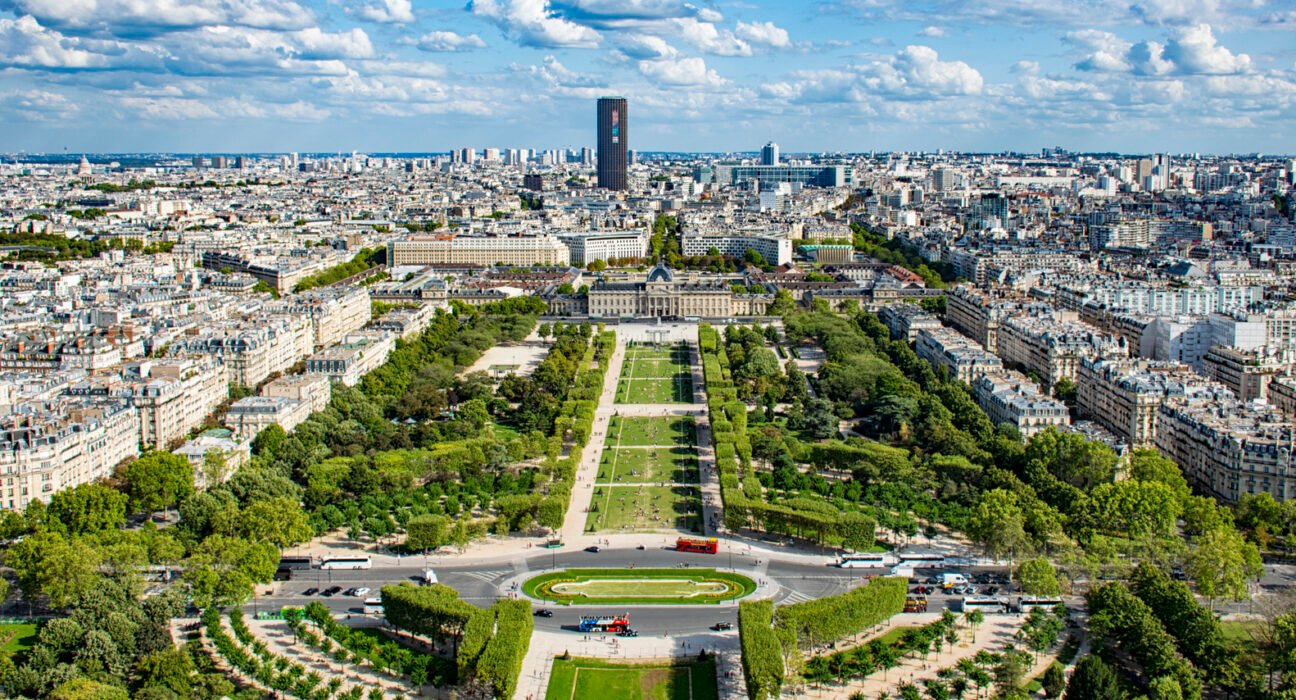
Another major theme in current architecture news is the growing importance of landscape architecture and public realm design. Parks, riverfronts, plazas, and gardens are no longer viewed as optional embellishments. They are increasingly understood as essential infrastructure.
Well-designed public space can help cities:
- Absorb stormwater and reduce flood risk
- Lower surface temperatures during heat waves
- Support biodiversity and ecological health
- Create room for recreation and social interaction
- Improve mental and physical well-being
This has clear implications for luxury architecture and luxury decor trends. Buyers and developers alike are placing more value on biophilic design, outdoor living, water-sensitive landscapes, and seamless indoor-outdoor transitions. In other words, the future of prestige design is not isolated from the city; it is enriched by a healthier urban ecosystem.
Mobility, Access, and the Value of Connectivity
No discussion in architecture news is complete without transportation. How people move through a city determines their access to opportunity, culture, and convenience. Streets, transit corridors, pedestrian routes, and cycling infrastructure all shape the daily experience of urban life.
World Cities Day 2026 reinforces a key principle: mobility planning is housing planning. A neighborhood may offer exceptional residential design, but if it lacks efficient connections to jobs, schools, or public amenities, its livability suffers.
Designers and city leaders are increasingly prioritizing:
- Pedestrian-friendly streetscapes
- Safer cycling networks
- Transit-oriented development
- Reduced dependence on private cars
- Better links between urban centers and regional communities
For luxury design professionals, this evolution opens new opportunities. High-end districts that once focused on exclusivity alone are now being measured by permeability, accessibility, and public experience. That marks a meaningful change in how premium urban value is defined.
Why Neighborhood Livability Matters Most
Big urban strategies often sound impressive, but the lived experience of a city happens at the neighborhood level. This is where architecture news intersects most directly with everyday life. Residents judge their surroundings by the quality of nearby parks, schools, health services, community spaces, and safe streets.
Livability also depends on participation. Communities function better when residents have a voice in shaping local change, from schoolyard redesigns to public space programming and housing upgrades. This emphasis on inclusion does not dilute design ambition; it strengthens it by making places more responsive and durable.
For those working in luxury home decor and luxury interiors, there is a parallel lesson here. The most successful spaces are not only elegant; they support wellness, flexibility, and a deeper sense of belonging. At the city scale, neighborhoods work the same way.
What This Means for the Future of Design
The biggest lesson from this architecture news moment is that regeneration is now central to architectural excellence. Cities can no longer separate housing from climate resilience, public space, mobility, or social equity. The most forward-looking urban projects will combine all of these elements into one coherent vision.
That matters across every category, from public housing and mixed-use districts to luxury homes and landmark developments. As expectations evolve, successful design will be defined by more than iconic form. It will depend on whether a project helps create a city that is healthier, more connected, and more resilient.
World Cities Day 2026 makes that challenge impossible to ignore. In the months ahead, expect architecture news to keep returning to the same fundamental question: not just how we build, but how we regenerate urban life in ways that make adequate housing and lasting quality available to more people.
For architects, developers, and design-conscious readers alike, the takeaway is simple: the future of great cities lies in regeneration that pairs design excellence with housing, infrastructure, and human-centered livability. That is the architecture news story that will shape the next era of urban design.