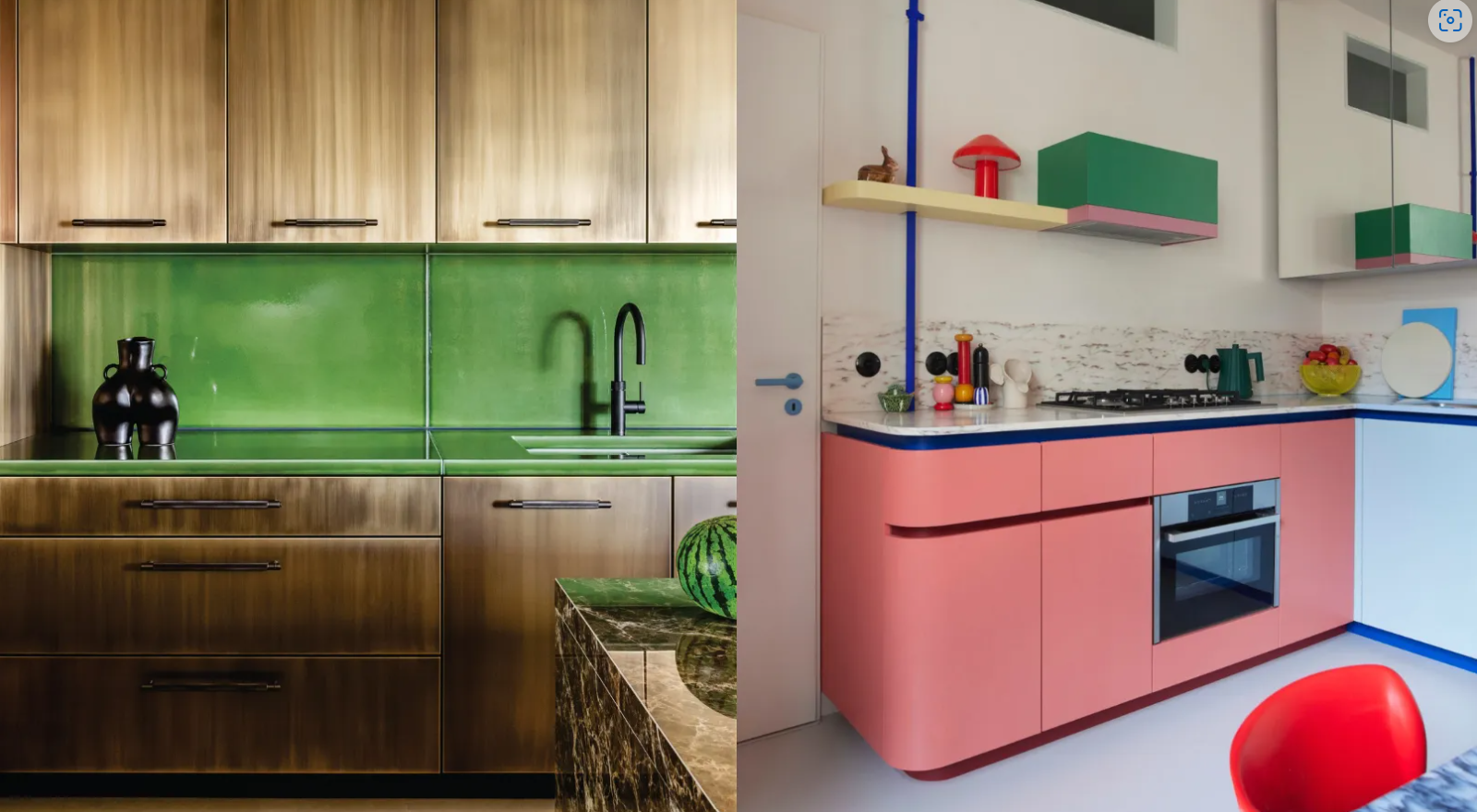

Europe In Motion offers more than headline-driven reporting. By comparing statistics across EU countries and turning policy shifts into accessible visual stories, it reveals the forces quietly reshaping how affluent Europeans live, travel, furnish and spend.
For anyone tracking luxury brands, luxury decor and luxury design, this format is especially valuable. From high-tech manufacturing and digital sovereignty to rail travel, gastronomy, climate pressure and changing consumer confidence, Europe In Motion highlights the economic and cultural signals that premium businesses cannot afford to ignore.
Why Europe In Motion matters to the luxury sector
Luxury is often discussed through aesthetics, heritage and craftsmanship, but the category is just as influenced by infrastructure, regulation and consumer sentiment. Europe In Motion stands out because it connects those macro trends to everyday life across the continent.
That matters for premium industries in several ways:
- Luxury brands rely on stable trade, strong consumer confidence and advanced manufacturing ecosystems.
- Luxury decor is shaped by housing trends, climate adaptation and evolving tastes in local craftsmanship.
- Luxury design depends on innovation, mobility, technology access and cross-border cultural exchange.
Rather than treating Europe as one unified market, Europe In Motion shows how sharply conditions vary from country to country. For luxury decision-makers, that distinction is crucial.
Technology, sovereignty and the future of luxury design
Several Europe In Motion reports focus on high-tech manufacturing, foreign tech dependence, broadband pricing and the rise of smaller tech hubs. Together, these stories point to a clear shift: Europe wants greater control over its digital future.
For luxury design, this has direct implications. Smart homes, connected lighting, premium audio systems, bespoke climate control and digitally enabled interiors all sit at the intersection of design and technology. If Europe strengthens its tech sovereignty agenda, luxury producers may increasingly prioritize:
- EU-based manufacturing partnerships
- Regional supply-chain resilience
- Higher standards for data privacy in connected products
- Locally developed design-tech ecosystems
This is especially relevant in luxury decor, where consumers are no longer buying only beauty. They are buying integrated experiences: intelligent kitchens, energy-aware materials, app-connected security and seamless home automation wrapped in elegant form.
Why small tech hubs matter
Europe In Motion also highlights how smaller innovation clusters can outperform their size. That insight aligns with the luxury world, where excellence often comes from compact, specialized ecosystems rather than mass-market centers. Think artisan furniture districts, niche textile regions or emerging design cities with strong digital capabilities.
In other words, tomorrow’s luxury design leaders may come from places combining craftsmanship with advanced tech infrastructure.
Climate pressure is redefining luxury decor
Some of the most striking Europe In Motion coverage looks at heatwaves, water stress and the number of Europeans unable to afford air conditioning. These are not just environmental stories; they are design stories.
As extreme weather becomes more frequent, luxury decor is moving beyond visual refinement toward climate-responsive living. Premium homeowners and hospitality brands increasingly want interiors that feel beautiful while also addressing comfort, resilience and sustainability.
Expect growing demand for:
- Cooling materials such as natural stone, lime plaster and breathable textiles
- Water-efficient fixtures in luxury bathrooms and kitchens
- Shade-focused outdoor design for terraces and gardens
- Energy-efficient climate systems integrated discreetly into interiors
- Layouts that improve natural airflow and reduce heat retention
Europe In Motion helps contextualize why these choices are no longer niche preferences. They are becoming practical luxuries in a hotter Europe.
Mobility, travel and experiential luxury
Mobility is another recurring theme across Europe In Motion, with reports on EV charging, passenger rail travel, flight pricing and tourism tensions. For luxury brands, this matters because premium spending increasingly follows movement.
Affluent consumers are investing more in experiences, second homes, design-led hospitality and culturally rooted travel. Reports about the best cities to eat like a local or the countries becoming more hostile to travellers reveal a major shift in luxury expectations: exclusivity alone is no longer enough. Authenticity, ease and social acceptance now matter just as much.
What this means for luxury brands
Luxury brands operating in Europe may need to rethink where and how they meet customers:
- Rail-connected cities may become more attractive for premium retail activations
- EV infrastructure can influence luxury automotive and hospitality planning
- Destinations with overtourism backlash may require a more community-sensitive brand presence
- Food, culture and local identity are becoming central to premium positioning
Europe In Motion captures these behavioral patterns through comparative data, making it easier to spot where luxury demand may deepen or become more complex.
Economic confidence and premium consumption
Behind every luxury purchase sits a confidence story. Europe In Motion frequently tracks business investment, trade, job insecurity, pension trust and broader economic ties. These indicators may seem far removed from a designer sofa or a heritage fashion house, but they directly affect premium demand.
When consumers feel uncertain about long-term wealth, they often become more selective. That does not always mean less spending; it often means more intentional spending. In the luxury space, that can benefit categories with clear value signals:
- Timeless craftsmanship over fast trend cycles
- Investment pieces over impulse purchases
- Locally made goods with traceable provenance
- Design objects that combine utility, sustainability and prestige
This is where Europe In Motion offers an edge. It shows not only where economic pressure is building, but where resilience may support continued appetite for premium goods and services.
The new European luxury consumer
Read across the Europe In Motion topics and a portrait begins to emerge. The modern European luxury consumer is informed, mobile, sustainability-aware and increasingly shaped by policy realities. They care about digital independence, energy efficiency, quality of life and meaningful local culture.
That has consequences for every premium category:
- Luxury brands must balance heritage with innovation.
- Luxury decor must blend beauty with environmental intelligence.
- Luxury design must anticipate how technology, climate and infrastructure shape daily living.
In that sense, the biggest value of Europe In Motion is not just its data. It is its ability to reveal how economics, policy and lifestyle are converging across Europe.
Conclusion: why Europe In Motion deserves a place on every luxury radar
Europe In Motion is a smart lens for understanding where Europe is heading and how those shifts will influence the premium market. Its cross-country comparisons make it easier to spot the structural trends behind consumer behavior, from tech sovereignty and climate adaptation to mobility and confidence.
For leaders in luxury brands, luxury decor and luxury design, the takeaway is clear: the future of European luxury will be shaped as much by data and policy as by taste. Watching Europe In Motion today may be one of the best ways to design for tomorrow.