The first new image of Crown Princess Mette-Marit after her lung transplant has quickly become more than a royal update—it is a portrait of resilience, privacy, and modern monarchy under pressure. For audiences drawn to the aesthetics of European royal life, the moment also offers a rare glimpse into how image, setting, and symbolism shape public perception in luxury culture.
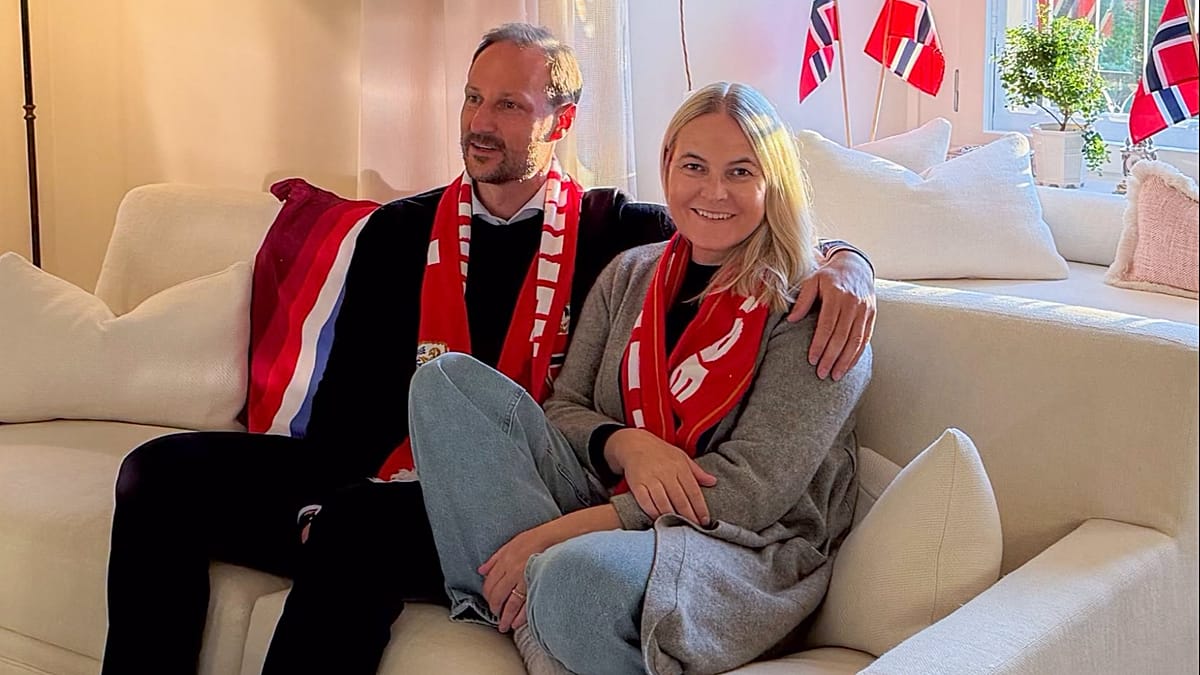
Released by Norway’s royal palace, the photographs show Crown Princess Mette-Marit seated beside Crown Prince Haakon as they watched Norway defeat Brazil and secure a historic place in the World Cup quarter-finals. Another image captures the couple looking out over cheering crowds from the palace, combining national celebration with a deeply personal chapter in the royal family’s story.
Crown Princess Mette-Marit After Lung Transplant: Why the Images Matter
The appearance of Crown Princess Mette-Marit after lung transplant surgery marks a significant development following weeks of concern over her health. The Norwegian royal household had previously announced that the 52-year-old princess underwent a successful transplant in June after her condition worsened considerably.
Mette-Marit was diagnosed in 2018 with pulmonary fibrosis, a serious disease that scars the lungs and can lead to increasing breathlessness and fatigue. In recent years, the condition had already forced her to scale back public duties. According to palace updates, her health declined sharply over the past six months, leading doctors to place her on the transplant waiting list before the procedure took place in mid-June.
While the new palace images are reassuring, officials also indicated that she had not yet been discharged from hospital at the time the photographs were shared. That detail underlines the seriousness of her recovery, even as the visual message projected calm and optimism.
The Visual Language of Royal Recovery
Royal photography is never just documentary. In the case of Crown Princess Mette-Marit after lung transplant treatment, the palace’s choice of imagery appears carefully calibrated to communicate stability, warmth, and continuity.
An intimate domestic setting
The first photo places the royal couple on a couch, focused on a football match rather than a ceremonial event. This softer framing humanises the monarchy and aligns with contemporary royal communications, where relatability often matters as much as grandeur.
Palace interiors as subtle luxury design
Though the images were shared primarily as a health update, they also reflect the understated elegance associated with Scandinavian royal interiors. Rather than excess, the visual mood suggests:
- restrained luxury
- minimalist palace decor
- quiet, heritage-rich design
- a balance of intimacy and institutional symbolism
For readers interested in luxury decor and luxury design, this is a familiar Nordic formula: refined surroundings that project status through simplicity, craftsmanship, and atmosphere rather than opulence alone.
Health, Monarchy, and Public Perception in Norway
The new appearance of Crown Princess Mette-Marit after lung transplant surgery arrives at a delicate time for Norway’s monarchy. Her health struggles have coincided with broader reputational challenges for the royal family, making any official image especially consequential.
In recent months, public scrutiny has intensified due to the criminal case involving Marius Borg Høiby, Mette-Marit’s son from a previous relationship. An Oslo court sentenced him in June to four years in prison for two counts of rape and numerous additional offences following a high-profile trial. Local reports say the verdict has been appealed.
The crown princess has also faced renewed attention over past associations with Jeffrey Epstein after documents released earlier this year detailed contact between them from 2011 to 2014. Those revelations sparked shock in Norway and added to the pressure on the royal household.
Against that backdrop, the release of Crown Princess Mette-Marit after lung transplant images serves several functions at once:
- It reassures the public about her condition.
- It restores a sense of visibility after a prolonged health absence.
- It reinforces the image of the royal couple as united and steady.
- It shifts the news cycle, however briefly, toward recovery rather than controversy.
A Historic Football Night Adds Symbolic Power
The timing of the images was especially effective. Norway’s victory over Brazil and qualification for its first-ever World Cup quarter-final created a wave of national celebration, allowing the palace to connect Crown Princess Mette-Marit after lung transplant recovery with a positive and unifying public moment.
That choice matters. Royal households often release personal updates during events that strengthen collective identity. Here, the princess is not shown in a clinical context but participating—albeit privately—in a historic national experience. The message is clear: she remains emotionally present, engaged, and connected to the country.
This is also where luxury branding and monarchy intersect. The modern royal image depends not only on heritage but on emotional storytelling. The palace backdrop, the shared viewing moment, and the window scene overlooking jubilant crowds all help create a narrative of endurance framed by elegance.
What This Means for the Royal Family’s Public Image
The first appearance of Crown Princess Mette-Marit after lung transplant surgery is unlikely to end scrutiny around Norway’s royal family, but it does reset the visual conversation. In a media environment driven by images, even one carefully chosen photograph can influence tone, sympathy, and attention.
Key takeaways from the palace release include:
- Resilience: the princess is visibly present during a critical recovery period.
- Continuity: Crown Prince Haakon appears beside her, reinforcing partnership and stability.
- Soft power: the palace uses tasteful, intimate visuals rather than formal portraiture.
- Scandinavian luxury cues: the setting reflects the quiet sophistication associated with Nordic design culture.
For followers of royal style, luxury brands, and design-led storytelling, the significance goes beyond health news. These images show how visual communication can blend personal vulnerability with institutional polish.
Conclusion
The release of Crown Princess Mette-Marit after lung transplant photos offers a rare and carefully managed glimpse into a difficult moment for Norway’s royal family. More than a medical update, the images present a composed narrative of healing, partnership, and royal symbolism shaped through understated luxury aesthetics. As Mette-Marit continues her recovery, the palace’s message is unmistakable: even in crisis, image, design, and dignity remain central to the modern monarchy.