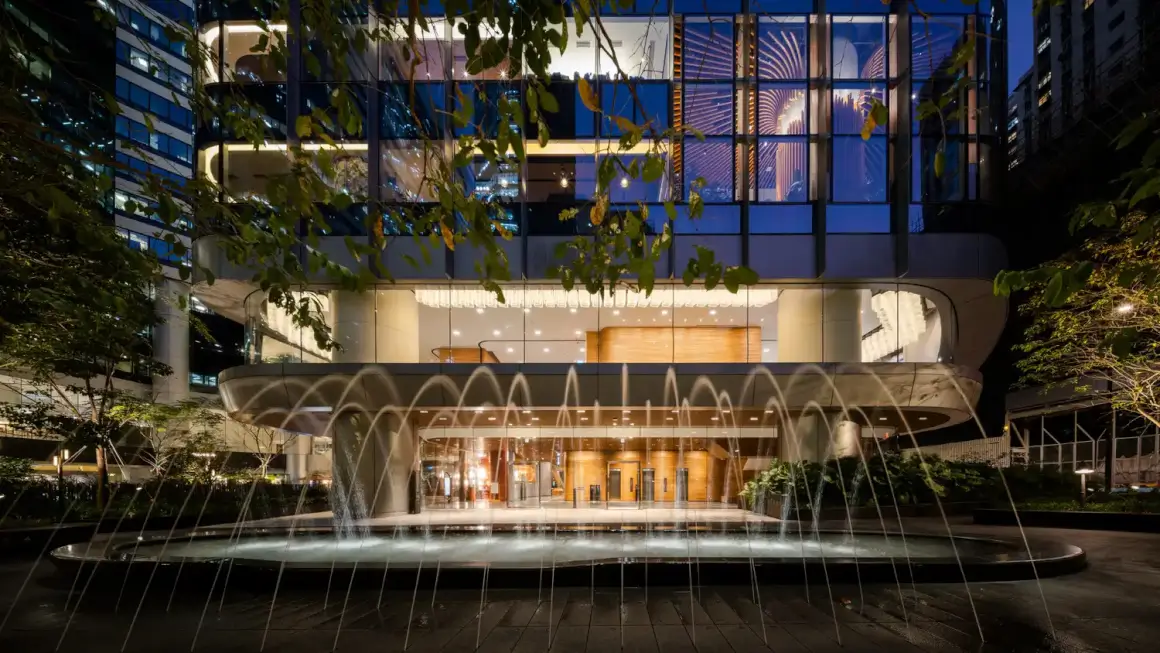
In the world’s densest business districts, the most memorable buildings are no longer defined by height alone. Today, iconic architecture is increasingly measured by how well it restores greenery, daylight, and human comfort to the city—an idea powerfully reflected in Wong & Ouyang’s vision for Taikoo Place.
Set within Hong Kong’s evolving commercial landscape, Taikoo Place represents a broader shift in luxury architecture: workplaces and mixed-use developments are being reimagined as immersive urban environments rather than isolated towers. The project signals how high-end design can reconnect people with nature while elevating the experience of the modern city.
Iconic Architecture and the Return of Nature to City Life
The best iconic architecture does more than create a striking skyline silhouette. It reshapes how people move, gather, work, and pause. At Taikoo Place, the design approach centers on integrating landscape into the daily rhythm of the urban core, creating a more livable and emotionally resonant setting.
Instead of treating greenery as decoration, this design philosophy makes nature an essential architectural element. Open spaces, planted zones, and pedestrian-friendly circulation work together to soften the hard edges typically associated with dense commercial districts. The result is a more balanced relationship between built form and natural experience.
For luxury design audiences, this matters because prestige is no longer only about materials or scale. It is also about wellness, atmosphere, and a sense of place. Projects that successfully combine sophistication with ecological sensitivity are defining the next generation of premium urban development.
Why Taikoo Place Stands Out in Luxury Architecture
Taikoo Place stands out because it aligns commercial ambition with a human-centered design strategy. In cities where land is limited and demand is high, it takes exceptional planning to create environments that feel open, breathable, and connected to nature. That is where iconic architecture becomes truly influential.
A workplace district designed for experience
Rather than focusing solely on office efficiency, the development reflects a broader lifestyle mindset. Public areas, circulation routes, and landscaped settings help transform a business destination into an urban community. This approach is especially relevant in luxury architecture, where value increasingly comes from curated experience as much as from square footage.
Key characteristics that make this model compelling include:
- Stronger integration between architecture and landscape
- Improved walkability and outdoor amenity
- A more inviting public realm for workers, visitors, and residents
- Design features that support wellness and visual calm
- A premium identity rooted in sustainability and placemaking
Blending density with softness
One of the greatest challenges in urban design is how to preserve intensity without creating stress. Taikoo Place suggests that density and serenity do not have to be opposites. Through thoughtful massing, spatial transitions, and green interventions, iconic architecture can make highly active districts feel more humane.
This balance is particularly attractive to luxury home and luxury decor readers as well, because it echoes what sophisticated residential design has long prioritized: natural light, texture, comfort, and visual harmony. The same principles that elevate a refined home interior can also enhance an entire urban precinct.
Design Lessons for Luxury Decor and Luxury Home Trends
Although Taikoo Place is an urban commercial project, its design logic offers valuable inspiration for residential and interior environments. The rise of biophilic planning in major developments has directly influenced the way designers approach high-end homes, penthouses, and amenity spaces.
Nature as a luxury feature
In contemporary interiors, luxury is often expressed through restraint and sensory quality rather than excess. The same can be said for iconic architecture that emphasizes planted terraces, organic materials, framed views, and seamless indoor-outdoor flow.
Designers and homeowners can draw from this approach by incorporating:
- Layered greenery in courtyards, terraces, or entry sequences
- Natural stone, timber, and tactile finishes that add warmth
- Large openings that maximize daylight and visual connection
- Calm transitional spaces that reduce sensory overload
- Decor palettes inspired by earth tones, foliage, and water
These ideas support a more elevated living experience while aligning with broader shifts in sustainable luxury design.
The power of placemaking
Another lesson lies in placemaking. Great developments create emotional attachment through atmosphere, not just aesthetics. Whether designing a private residence or a mixed-use destination, the goal is similar: craft spaces people want to return to. That is why iconic architecture has become so closely linked with experiential design, hospitality-driven environments, and wellness-centered planning.
For readers exploring related ideas, consider how landscape integration also enhances biophilic interior design trends and supports the long-term value of sustainable luxury architecture.
What This Means for the Future of Urban Development
As cities continue to densify, the demand for iconic architecture that prioritizes wellbeing will only grow. Developers, architects, and city planners are under increasing pressure to create environments that deliver commercial performance while also improving quality of life. Projects like Taikoo Place show that these goals are not mutually exclusive.
The future of luxury architecture is likely to be defined by several overlapping priorities:
- Biophilic urban planning that reconnects people with nature
- Mixed-use environments built around daily convenience and comfort
- Public spaces that foster community and brand distinction
- Sustainable strategies that enhance long-term resilience
- Elegant design that feels both global and deeply contextual
This evolution also supports AEO-friendly search intent, answering the question many readers now ask: what makes a modern building truly iconic? The answer is increasingly clear—it must be beautiful, functional, sustainable, and deeply responsive to human experience.
Conclusion: Iconic Architecture Is Becoming More Human
Taikoo Place captures a powerful direction in contemporary design: the city of the future may be dense and sophisticated, but it should also feel green, restorative, and welcoming. That is the new standard for iconic architecture—not just a landmark to admire, but a place that improves everyday life.
For luxury architecture, luxury decor, luxury design, and luxury home audiences, the takeaway is simple. The most compelling spaces now blend prestige with nature, and innovation with comfort. In that sense, iconic architecture is no longer only about making a statement. It is about making urban living better.