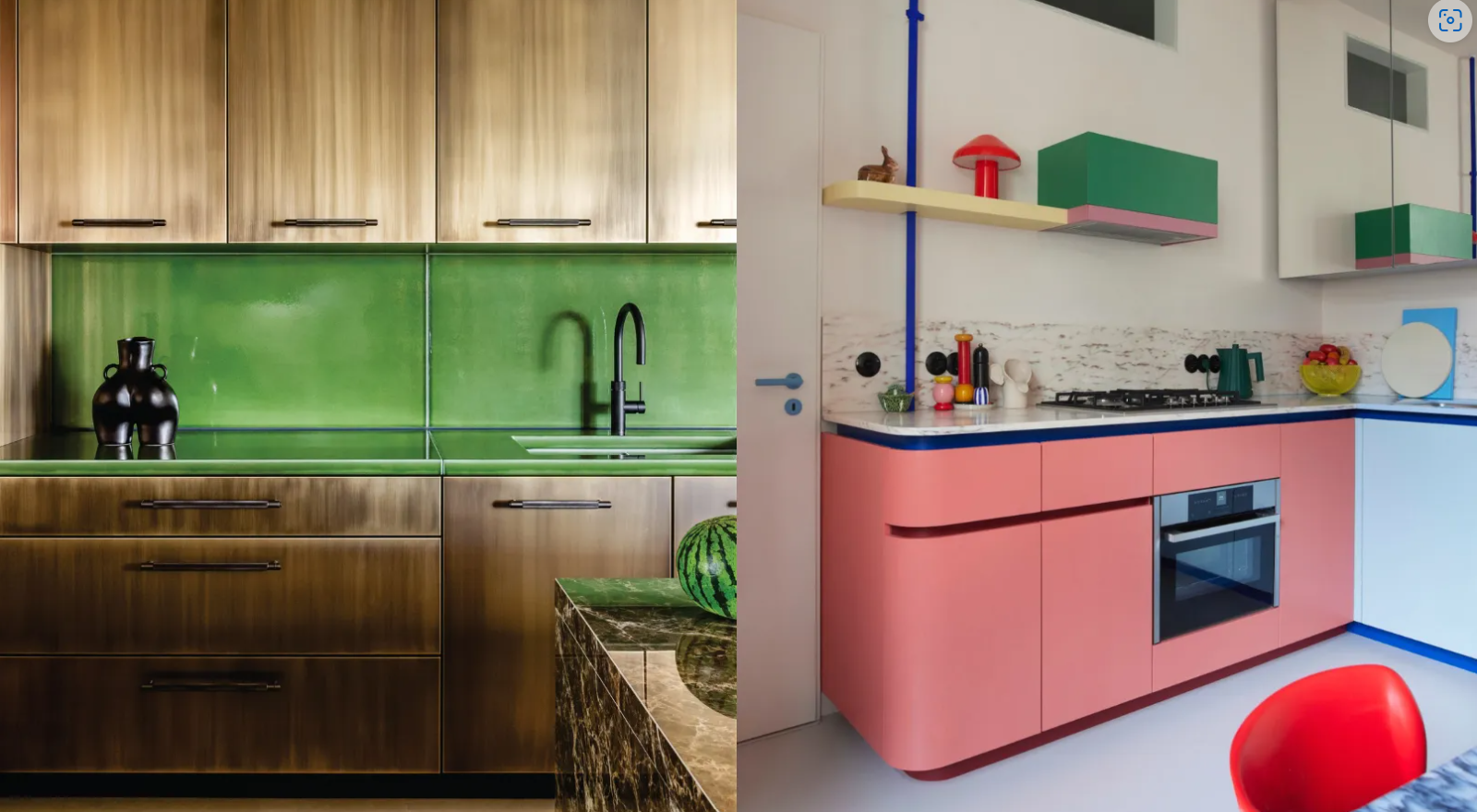
Luxury design is entering a more thoughtful phase, and nature is leading the conversation. From pink flamingos in the Venice Lagoon to pollinator-friendly gardens and biodiversity headlines across Europe, the natural world is no longer just a backdrop for beautiful interiors – it is becoming a core source of inspiration for luxury brands, luxury decor, and elevated living.
For discerning homeowners, hoteliers, and designers, this shift signals more than a passing trend. It reflects a growing desire for spaces that feel rare, grounded, and emotionally resonant. In the world of luxury design, beauty is increasingly defined by texture, ecology, craft, and a deeper relationship with place.
Why Luxury Design Is Turning to Nature
The latest environmental stories reveal a public increasingly captivated by wildlife, landscapes, and fragile ecosystems. Whether it is the return of iconic species, concern for pollinators, or fascination with dramatic natural phenomena, people are paying closer attention to the living world. That cultural mood is influencing luxury design in meaningful ways.
Rather than relying solely on opulence for impact, today’s finest spaces aim to create a sense of calm, wonder, and authenticity. Nature offers all three. It brings an organic richness that polished surfaces alone cannot achieve.
- Emotional value: Natural references make interiors feel restorative and timeless.
- Material depth: Stone, wood, linen, wool, and clay add tactile sophistication.
- Cultural relevance: Biodiversity and sustainability now shape consumer expectations.
- Visual individuality: Organic forms create one-of-a-kind, less formulaic spaces.
For luxury brands, this means products and collections must tell a richer story – one that combines aesthetics with environmental sensitivity and craftsmanship.
Wildlife-Inspired Luxury Decor Without Cliches
Nature-inspired interiors once risked feeling overly literal. Today, luxury decor takes a more nuanced approach. Instead of obvious motifs, designers are translating the essence of wildlife into shape, palette, and atmosphere.
From Flamingo Pink to Coastal Mineral Tones
The sight of thousands of pink flamingos transforming the Venice Lagoon captures the kind of spectacle that luxury design can reinterpret with restraint. Think blush-veined marble, dusty rose mohair, smoked glass, and sunset-reflective finishes rather than themed prints.
Elsewhere, marine discoveries and European coastal stories point toward layered aquatic tones:
- Seaweed green
- Deep Mediterranean blue
- Shell white
- Weathered sand
- Soft coral and terracotta
These palettes feel elegant because they are complex, not flat. They evoke real environments rather than generic color trends.
Organic Forms and Invisible Creatures
Even stories about urban wildlife and so-called invisible creatures suggest a fresh design language. In luxury decor, this can translate into subtle biomorphic silhouettes, curved seating, sculptural lighting, and surface patterns inspired by nests, wings, river ripples, or bark textures.
The key is abstraction. The best luxury design borrows nature’s rhythm, not its costume.
How Luxury Brands Are Responding to the Nature Shift
Luxury brands are increasingly aware that affluent consumers want more than status objects. They want meaningful objects. Nature-centered storytelling allows brands to connect rarity with responsibility.
This response is emerging in several ways:
- Material innovation: Greater use of responsibly sourced timber, natural fibers, recycled metals, and low-impact finishes.
- Artisanal production: Handmade techniques that celebrate irregularity, grain, and natural variation.
- Place-based collections: Pieces inspired by lagoons, forests, mountains, wetlands, and seasonal change.
- Biophilic environments: Showrooms, hotels, and residences designed to increase daylight, greenery, and sensory comfort.
For luxury brands, authenticity matters. Clients can quickly tell the difference between true design integrity and surface-level green messaging. The winning formula is not excess covered in botanical language; it is refined design backed by responsible choices.
Nature as a Blueprint for Luxury Interiors
One of the biggest lessons from the natural world is balance. Ecosystems thrive through layering, contrast, adaptation, and interdependence. Luxury design can apply the same principles to create spaces that feel composed yet alive.
Layering for Sensory Richness
Nature rarely presents a single note. A landscape combines softness and roughness, shadow and shine, stillness and movement. In interiors, that can mean pairing polished stone with raw plaster, fine silk with boucle, or bronze accents against pale oak.
This approach gives luxury decor a quieter confidence. It feels curated rather than overdesigned.
Designing With Seasonality in Mind
Recent nature coverage, from wildflower blooms to shifting weather patterns and Arctic journeys, reminds us that environments are dynamic. Luxury interiors can reflect that dynamism through season-aware styling:
- Lighter linen, glass, and botanical arrangements in warmer months
- Wool, darker woods, and cocooning textures in cooler seasons
- Rotating art and objects inspired by migration, bloom, frost, or water
This makes luxury design feel alive and responsive rather than static.
The Rise of Biodiversity-Conscious Outdoor Luxury
Luxury living no longer ends at the terrace doors. Gardens, courtyards, rooftops, and waterside retreats are becoming central to the luxury design experience, especially as environmental awareness grows.
Stories about bees, birds, beaches, and conservation underscore a powerful idea: beautiful landscapes should also support life. That insight is redefining outdoor luxury decor.
Instead of sterile lawns and decorative-only planting, affluent property owners are embracing:
- Pollinator-friendly gardens
- Native planting schemes
- Water-wise landscaping
- Natural stone paths and sensory trails
- Outdoor lounges integrated with habitat-friendly design
This is where luxury design becomes especially compelling – when elegance and ecology work together. A garden can be visually immaculate and still welcome bees, birds, and biodiversity.
What Designers and Homeowners Should Take Away
The current wave of environmental storytelling offers a clear message for the premium design world: nature is not a trend board, but a masterclass. It teaches restraint, richness, harmony, and resilience.
To apply this well, focus on a few principles:
- Choose materials with tactile authenticity
- Use color palettes drawn from real landscapes
- Favor abstract natural references over literal motifs
- Design outdoor spaces with biodiversity in mind
- Invest in craftsmanship that celebrates organic variation
In the years ahead, the most memorable luxury interiors will not simply look expensive. They will feel connected – to place, to season, and to the wider living world. That is where luxury design is heading, and it is a direction that promises greater beauty, depth, and lasting relevance.
As luxury brands and homeowners search for the next level of refinement, the answer may already be all around us. The future of luxury design lies in translating nature’s intelligence into spaces that are sophisticated, sensory, and enduring.