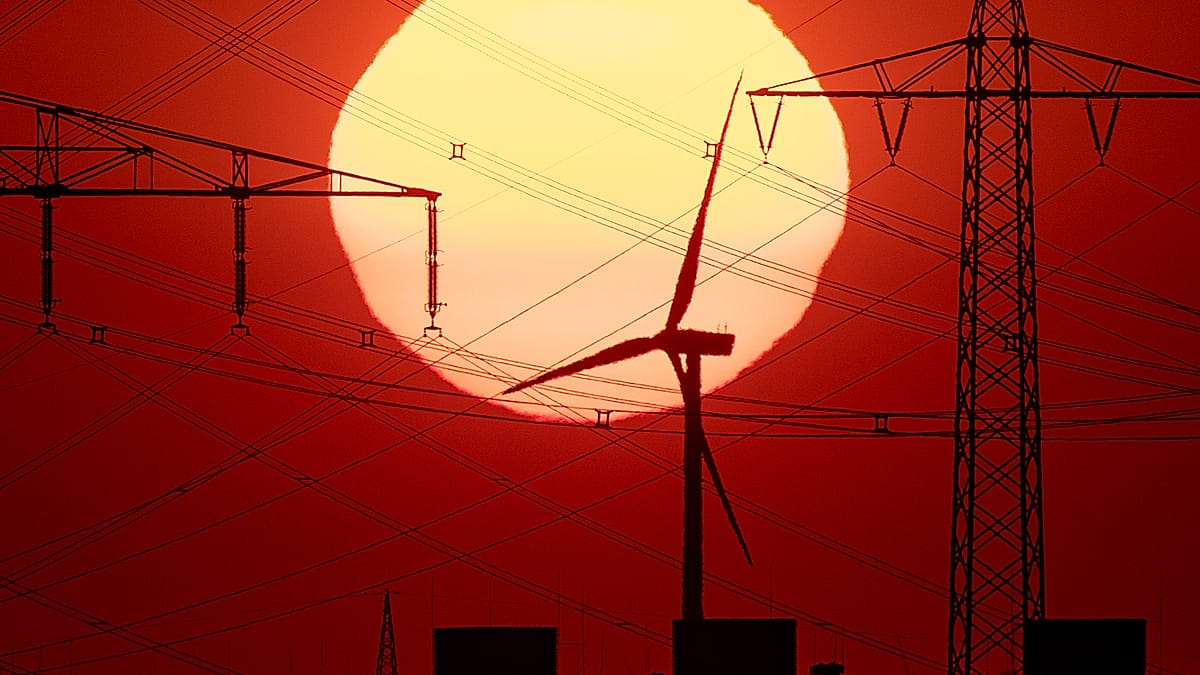
Luxury architecture is entering a new era, and renewable energy is quickly becoming one of its defining features. As the EU’s renewable electricity share climbs to 45.5%, designers, developers, and homeowners in the premium property market have a rare opportunity: to align beauty, performance, and long-term energy resilience in one elegant vision.
For the world of high-end homes, bespoke interiors, and design-led residences, this is more than an energy story. It is a blueprint for how luxury living can evolve, with cleaner power, lower operating costs, and a stronger relationship between architecture and the environment.
Renewable Energy Becomes a Design Priority in Europe
According to new Eurostat data, nearly half of the EU’s electricity generation in the first quarter of 2026 came from renewable energy sources. The share rose from 42.7% a year earlier to 45.5%, marking a meaningful step in Europe’s transition toward cleaner power.
The renewable energy mix is led by:
- Wind power: 44.9% of renewable electricity generation
- Hydropower: 28%
- Solar power: 17.3%
- Combustible renewable fuels: 9.4%
- Geothermal and other sources: 0.4%
For luxury architecture, these figures matter because energy infrastructure increasingly shapes the value, comfort, and future-readiness of premium real estate. A modern villa, penthouse, or waterfront retreat is no longer judged solely by its materials and proportions. It is also assessed by how intelligently it uses energy.
What Europe’s Leaders in Renewable Energy Reveal About Premium Living
Some of Europe’s best-performing countries offer a compelling preview of where luxury design is heading. Denmark leads the EU with 90% of its electricity generated from renewable energy, driven largely by wind. Portugal follows at 82.9%, supported by hydropower, while Lithuania reaches 75.7%, also powered strongly by wind.
These countries show that renewable energy is not a fringe add-on. It is becoming foundational to how homes and buildings operate. In luxury architecture and interiors, that shift can influence everything from building orientation to glazing choices, cooling systems, integrated smart controls, and material selection.
Why high-end residential design is paying attention
Affluent homeowners and developers tend to adopt long-horizon thinking earlier than the broader market. They are increasingly drawn to properties that combine prestige with performance, especially as energy security and climate responsiveness become part of modern luxury.
In practical terms, renewable energy supports:
- More stable long-term operating costs
- Lower exposure to fossil fuel price volatility
- Cleaner power for advanced climate control systems
- Stronger sustainability credentials for trophy properties
- Greater appeal to globally minded buyers
How Renewable Energy Supports Luxury Interiors and Comfort
Luxury interiors are often discussed in terms of craftsmanship, texture, and atmosphere. Yet true comfort also depends on the invisible systems behind the walls. Renewable energy plays a growing role in powering the features that define elite living: precise temperature control, discreet lighting, air purification, spa amenities, wine storage, home automation, and electric mobility integration.
As high temperatures push cooling demand upward across Europe, resilient energy planning is becoming essential. During June’s severe heatwave, electricity costs rose sharply in major economies such as France and Germany as demand for cooling surged and grids leaned back on gas. This exposed a key challenge for property owners: even the most beautiful residence can become expensive to operate if it depends on volatile, fossil-fuel-linked energy pricing.
For luxury interiors, renewable energy opens the door to a more seamless kind of comfort—one where environmental control feels effortless, but is backed by cleaner, smarter power systems.
Design strategies gaining traction
Architects and interior designers working at the top end of the market are increasingly incorporating:
- Solar-ready roofs and concealed panels that preserve architectural purity
- Battery storage systems for energy resilience and peak-demand management
- Passive cooling techniques such as shading, cross ventilation, and thermal mass
- High-performance glazing to reduce heat gain without sacrificing views
- Smart home energy management that optimizes lighting, HVAC, and appliance loads
These features are especially relevant in luxury homes, where energy-intensive amenities are common and expectations for uninterrupted comfort are high.
Lower Bills, Higher Value: The Economic Case for Renewable Energy
Renewable energy is not only reducing emissions; it is also helping Europe contain energy costs. The International Energy Agency estimates the EU saved €51.4 billion in 2025 by cutting fossil fuel imports. Another analysis found consumers in Denmark, Finland, France, Sweden, and Slovakia are set to save €8.5 billion on energy bills this year thanks to a strong clean electricity mix.
For luxury property owners, the principle is clear: energy-efficient, renewable-supported homes can better protect against sudden market shocks. In a segment where operating expenses may include pools, wellness suites, large-scale refrigeration, and advanced home systems, efficiency can translate into substantial savings over time.
That financial logic also enhances asset value. Buyers increasingly view sustainable design not as a compromise, but as a hallmark of sophistication. In many markets, a residence with integrated renewable energy capabilities signals foresight, quality engineering, and premium positioning.
The Challenge Ahead for Luxury Architecture
Despite the progress, Europe’s transition remains uneven. Czechia, Malta, and Slovakia currently have some of the lowest renewable electricity shares in the EU. At the same time, the continent’s pricing model still often allows gas to set electricity prices during periods of peak demand, even when renewable energy supplies a large share of the grid.
This tension matters for luxury architecture because design ambitions are only as strong as the infrastructure supporting them. To fully unlock the benefits of renewable energy, Europe will need more storage, more grid flexibility, and more clean generation capacity.
For architects, developers, and specifiers, the message is simple: future-ready design should anticipate that shift now rather than react later. Buildings conceived today must perform in a landscape where energy independence, thermal resilience, and low-carbon living are central to premium value.
Conclusion: Renewable Energy Is Becoming a Signature of Modern Luxury
The rise of renewable energy in Europe is doing more than changing utility statistics. It is redefining what excellence looks like in luxury architecture, luxury design, and luxury interiors. Homes that harmonize elegant aesthetics with intelligent energy use are increasingly setting the standard for the next generation of high-end living.
As renewable energy expands across the EU, the most desirable properties will not simply look exceptional. They will operate with resilience, efficiency, and quiet confidence. In the years ahead, renewable energy may prove to be one of the most luxurious design features of all.