
Portugal heatwave conditions are no longer just a weather headline—they are rapidly becoming a design and lifestyle issue with real implications for luxury property, interiors, and resilient living. As soaring temperatures and early-season wildfires stretch emergency services across Portugal, homeowners, architects, and luxury brands are being forced to rethink what premium living looks like in an era of climate pressure.
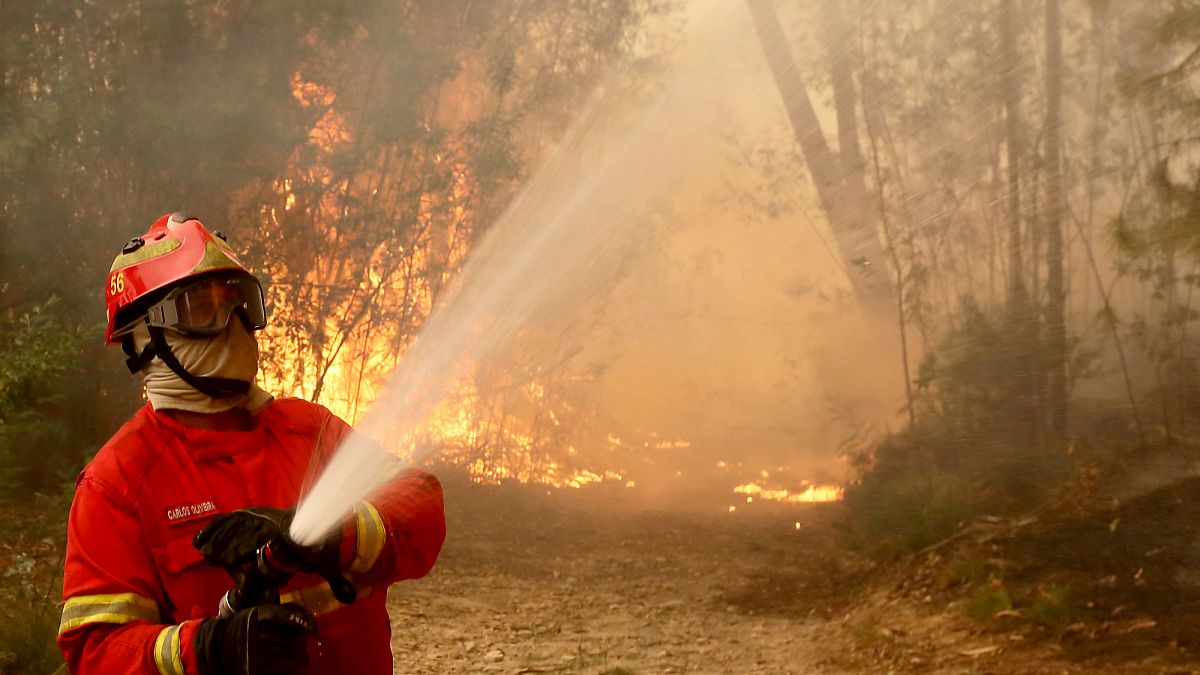
Authorities reported dozens of rural fire incidents across mainland Portugal in a single day, with major concern focused on the active fire in Vouzela. At the same time, meteorologists warned that the Portugal heatwave could last for days, with temperatures pushing past 40°C in some areas, hot nights above 20°C, and dry, windy conditions making firefighting especially difficult. For the luxury sector, this is more than a news event—it is a signal that high-end homes and design strategies must evolve.
Portugal Heatwave Puts Luxury Living Under Pressure
The current Portugal heatwave arrives with a dangerous combination of prolonged heat, low humidity, and strong winds. Civil Protection mobilised nearly 2,000 responders, hundreds of ground vehicles, and dozens of aircraft as fires flared across the mainland. Officials also raised alert levels and prepared broader precautionary measures as fire risk intensified.
For luxury homeowners and investors, especially those with estates, villas, boutique retreats, or architect-designed residences in fire-prone landscapes, the message is clear: exclusivity must now be matched by resilience.
Traditionally, luxury real estate has prioritised features such as:
- Expansive glass walls and open views
- Natural timber finishes
- Landscaped gardens and outdoor entertaining zones
- Remote hillside or forest-edge locations
But under Portugal heatwave conditions, these desirable elements may also increase exposure to overheating, drought stress, and wildfire vulnerability if they are not carefully planned.
How Wildfire Risk Is Reshaping Luxury Design
As Portugal faces a longer and more severe fire season, luxury design is shifting from pure aesthetics toward climate-adaptive elegance. That does not mean sacrificing beauty. Instead, it means integrating high-performance materials and environmental intelligence into premium spaces.
Fire-Resistant Exterior Materials
Architects and luxury developers are increasingly favouring materials that can withstand heat and ember exposure while still delivering refined visual appeal. These include:
- Natural stone facades
- Render and stucco finishes
- Metal roofing with concealed detailing
- Ceramic or concrete pavers for terraces and pathways
- Tempered glazing and protected window systems
These choices align with a broader movement in luxury design: homes that feel timeless, tactile, and grounded in place, yet are engineered for extreme climate conditions.
Landscape Design for Fire Resilience
One of the most important lessons from the Portugal heatwave and wildfire threat is that outdoor luxury cannot rely on lush but vulnerable planting schemes. Designers are now reworking Mediterranean landscapes to balance beauty with defensible space.
That can include:
- Using drought-tolerant native planting
- Creating gravel, stone, or irrigated buffer zones near structures
- Reducing dense vegetation close to the home
- Installing discreet water storage and irrigation systems
- Designing shaded courtyards rather than exposed lawns
For luxury decor and exterior styling, this opens the door to a more sophisticated language of restraint—cool stone surfaces, sculptural olive trees, terracotta forms, and low-water gardens that feel serene rather than sparse.
Interior Design in the Age of the Portugal Heatwave
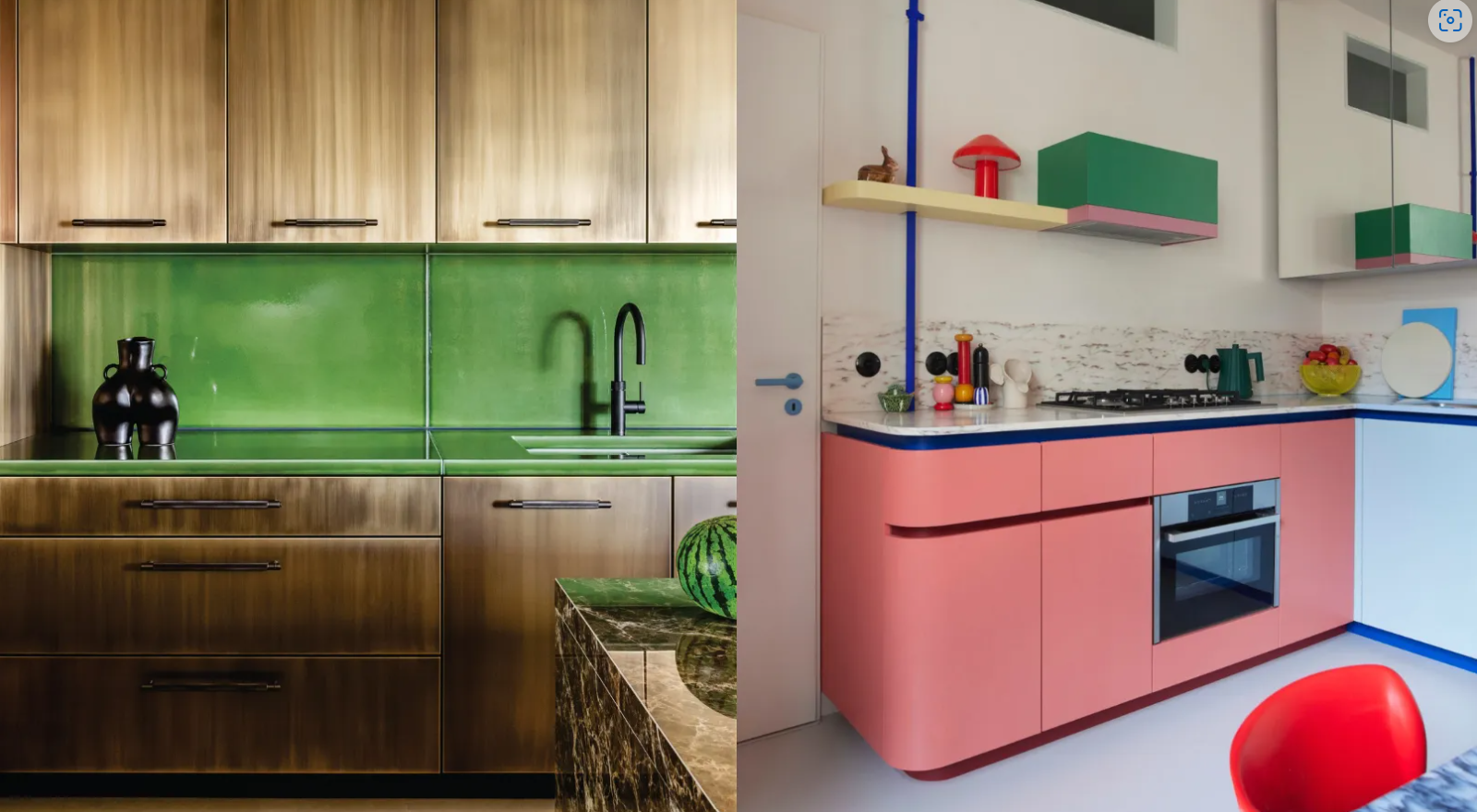
When extreme heat lasts for a week or more, interior comfort becomes central to the luxury experience. The Portugal heatwave highlights why premium interiors must go beyond visual sophistication and support passive cooling, air quality, and thermal stability.
Cooler Materials, Smarter Spaces
Luxury interiors in hot climates are increasingly embracing materials and layouts that help moderate indoor temperatures naturally. Designers are turning to:
- Limestone, marble, and terrazzo flooring
- Linen and lightweight natural textiles
- Light-toned woods and mineral finishes
- Layered shading through shutters, screens, and drapery
- Cross-ventilation and zoned cooling systems
These elements support a calm, elevated atmosphere while reducing dependence on energy-intensive cooling. In practical terms, a home that stays cooler during a Portugal heatwave is not just more sustainable—it also feels more luxurious.
The Rise of Climate-Conscious Luxury Decor
Luxury decor is also evolving. Consumers are showing greater interest in pieces that combine craftsmanship with durability and environmental awareness. That means decor is no longer judged only by rarity or status, but also by how thoughtfully it performs in a changing climate.
Examples include handcrafted ceramic vessels that suit dry interiors, UV-stable outdoor furnishings, natural fiber rugs designed for breathability, and artisan-made screens that filter light while adding texture. In this context, climate-conscious design becomes a marker of taste, not compromise.
What Luxury Brands Should Learn From Portugal’s Fire Emergency
The Portugal heatwave and wildfire response offer an important lesson for luxury brands across decor, furnishings, architecture, and hospitality: climate resilience is becoming part of the premium promise.
Brands that want to remain relevant should consider how their products and services respond to hotter, riskier environments. Key opportunities include:
- Developing outdoor collections built for heat and sun exposure
- Promoting fire-aware landscaping and exterior styling solutions
- Highlighting durable, low-maintenance, natural materials
- Partnering with architects on resilient luxury residences
- Educating clients on design choices that protect long-term value
For high-end hospitality, especially in southern Europe, guest expectations may also shift. Shaded architecture, heat-sensitive scheduling, water-conscious gardens, and better emergency planning could become distinguishing features of truly world-class properties.
A New Standard for Luxury in Portugal and Beyond
The Portugal heatwave is a stark reminder that climate volatility now shapes how we build, furnish, and value exceptional spaces. With authorities warning of prolonged high temperatures, difficult nighttime firefighting conditions, and elevated risk across the mainland, this is not a short-term disruption. It is a design challenge with lasting significance.
The clearest takeaway is simple: future-ready luxury is resilient luxury. Whether through fire-resistant architecture, cooler interiors, or smarter landscape planning, the most desirable homes and brands will be those that combine elegance with adaptation. As the Portugal heatwave continues to test infrastructure and communities, it also sets a new benchmark for what responsible, beautiful luxury should look like.