Ireland Travel often conjures images of dramatic coastlines, grand country estates, and fireside hospitality—but a remarkable 1934 film proves those qualities have deep roots. This vintage travel reel offers more than nostalgia: it captures the landscapes, rituals, and warmth that still define Ireland as one of Europe’s most rewarding luxury destinations.
The archival footage, originally produced for American audiences, presents Ireland as scenic, welcoming, and deeply human. While the film reflects the language and attitudes of its era, it also preserves something timeless: the power of place. For today’s luxury traveler, that early portrait of thatched cottages, stone walls, storytelling kitchens, and cultured city life reveals why Ireland continues to resonate so strongly with visitors seeking authenticity as much as comfort.
Why This 1934 Film Still Matters for Ireland Travel
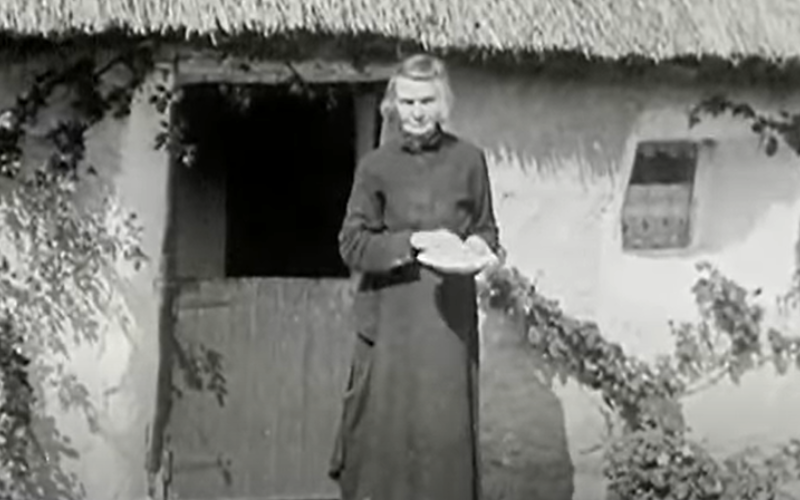
Vintage travel films can feel like postcards in motion, but this one stands out because it documents everyday Irish life with unusual richness. The camera lingers on rural workers, livestock, village streets, and family scenes, building a portrait of a country shaped by agriculture, migration, and community.
For modern Ireland Travel, that matters because many of the experiences now considered premium or exclusive are rooted in the same traditions shown in the film. Luxury in Ireland is rarely only about five-star polish. It is also about access to heritage, meaningful encounters, and a sense of place that cannot be manufactured.
- Historic estates transformed into elegant country house hotels
- Farm-to-table dining inspired by long agricultural traditions
- Private cultural tours centered on storytelling, music, and literature
- Scenic drives through landscapes little changed in character
The film’s closing praise for Ireland as “interesting, helpful and picturesque” still feels strikingly accurate, even in a far more contemporary travel landscape.
Rural Ireland: The Original Source of Luxury
Much of the footage celebrates the countryside, from western stone walls to southern thatched cottages. These scenes remind viewers that Ireland’s enduring appeal begins in the rural landscape. For luxury travelers today, that same setting underpins some of the country’s most coveted experiences.
Stone Walls, Thatched Cottages, and Timeless Scenery
The West of Ireland appears in the film as rugged, textured, and elemental. Dry-stone walls divide fields, livestock move across open land, and cottages sit low against the weather. These are not just charming visuals; they are central to the atmosphere many travelers cross the Atlantic to experience.
Modern high-end itineraries often build around these settings, whether through private chauffeur tours of Connemara, exclusive stays near the Wild Atlantic Way, or curated retreats in restored heritage properties. The appeal lies in contrast: dramatic nature paired with refined comfort.
The Luxury of Hospitality
One of the most memorable ideas in the film is that a guest in an Irish home needs no formal introduction. That spirit of welcome remains one of the strongest reasons Ireland Travel performs so well in the luxury market. Upscale hospitality in Ireland is often defined less by formality and more by warmth, ease, and personal connection.
Travelers consistently seek experiences such as:
- Afternoon tea in manor houses and castle hotels
- Private whiskey tastings with local experts
- Intimate fireside storytelling sessions
- Bespoke excursions led by historians, naturalists, or guides
In other words, the old kitchen and cup of tea celebrated in the film have evolved, but not disappeared.
Dublin Then and Now: Culture at the Heart of Ireland Travel
The film eventually moves from the countryside to Dublin, highlighting Trinity College as a historic center within a busy city. That transition still mirrors how many travelers experience Ireland: balancing rural immersion with urban culture.
Today, Dublin offers luxury visitors a sophisticated base with literary history, Georgian architecture, fine dining, and discreet five-star service. Trinity College remains a signature stop, but the broader appeal of the capital now includes:
- Designer shopping and independent Irish craft boutiques
- Michelin-recognized restaurants and modern Irish cuisine
- Private literary and historical walking tours
- Elegant hotels set in restored Georgian buildings
This blend of heritage and cosmopolitan energy is one reason Ireland Travel appeals to visitors who want both relaxation and cultural depth in a single itinerary.
The Emotional Side of the Journey
Not all of the film is picturesque escapism. It also references emigration and the sorrow of families watching children leave for America in search of opportunity. That emotional thread adds depth to the imagery and helps explain why Ireland can feel so personal for many visitors, especially those with Irish ancestry.
For diaspora travelers, luxury travel in Ireland increasingly includes genealogy services, private archive consultations, and tailor-made heritage journeys. These trips go beyond sightseeing. They connect guests with parish records, ancestral towns, and local historians who can illuminate family stories in deeply memorable ways.
That emotional dimension is a major differentiator. Ireland does not simply offer beautiful places to stay; it offers a chance to belong, reflect, and reconnect.
What Has Changed—and What Hasn’t
Of course, Ireland today is not the Ireland of 1934. The country is more urban, globally connected, and economically diverse. Language in the old film reflects dated social attitudes, and daily life has transformed in countless ways. Yet the essentials remain remarkably familiar.
What still defines Ireland Travel?
- Extraordinary scenery shaped by weather, stone, and sea
- A strong sense of local identity
- Conversation, tea, music, and storytelling as social rituals
- Hospitality that feels generous rather than performative
That continuity is exactly what gives Ireland its luxury strength. In an era when many destinations feel interchangeable at the highest end, Ireland still feels distinct.
Planning a More Meaningful Luxury Escape to Ireland
For travelers inspired by this vintage portrait, the smartest approach is to blend iconic highlights with slower, more personal experiences. Rather than rushing between landmarks, build an itinerary around regional character.
Consider combining:
- Dublin for culture, history, and refined city stays
- The West of Ireland for dramatic landscapes and heritage experiences
- Southern counties for manor houses, gardens, and culinary travel
- Private local encounters that bring Irish tradition to life
The best Ireland Travel experiences are rarely the most crowded. They are the ones that allow time for conversation, scenery, and the subtle details that vintage films like this capture so well.
In the end, this 1934 reel is more than a historical curiosity. It is a reminder that Ireland’s greatest luxury has always been authenticity—its landscapes, its stories, and its instinctive welcome. For anyone planning Ireland Travel today, that enduring character remains the country’s most compelling promise.