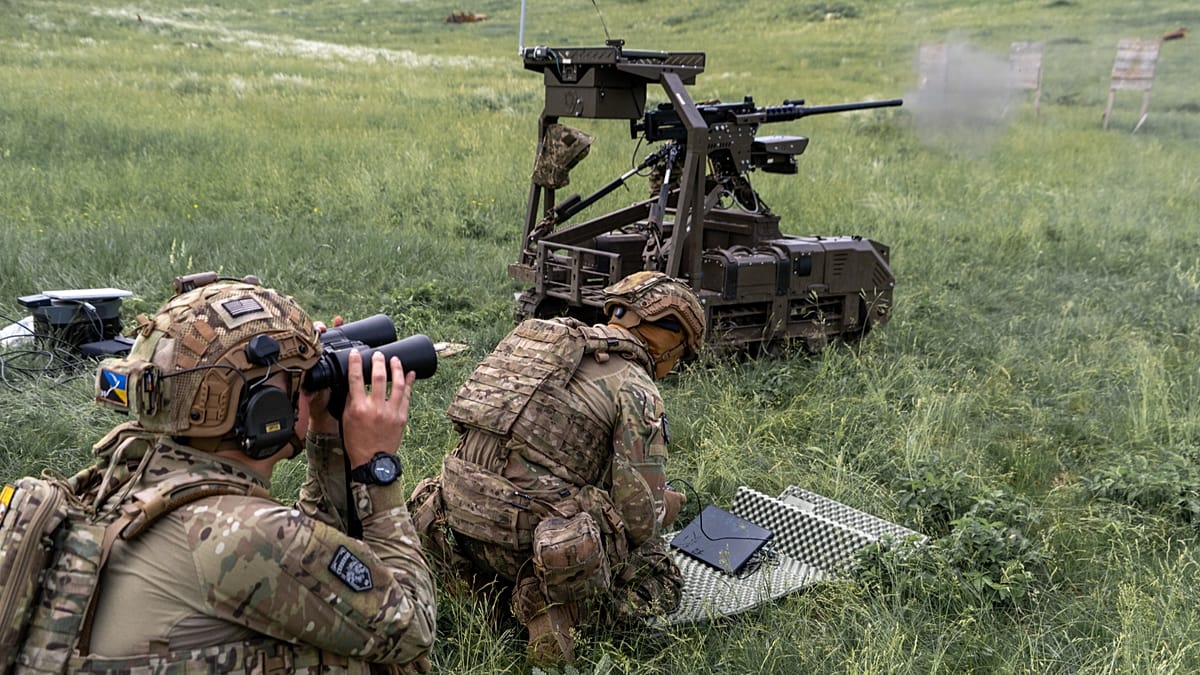
Ukraine’s new arms export mechanism is more than a wartime policy shift—it is a clear signal that the country wants to transform battlefield innovation into a globally marketable, high-value industry. For readers who follow luxury brands, luxury decor, and luxury design, this development offers an unexpected but important lesson in how premium craftsmanship, advanced engineering, and strategic design thinking increasingly shape sectors far beyond fashion and interiors.
At the center of the announcement is a transparent framework that allows partner countries to buy Ukrainian weapons and technologies directly from local manufacturers. Ukrainian officials say the system is designed to attract international funding while preserving a core principle: domestic military needs come first.
Why the Ukraine arms export mechanism matters
The newly approved Ukraine arms export mechanism reflects a maturing industrial ecosystem. Since the start of the war, Ukraine has relied heavily on Western military support, but it has also built an impressive domestic defense manufacturing base, particularly in drones and anti-drone systems. Now, Kyiv is attempting to formalize that expertise into a structured export model.
According to Ukrainian officials, the mechanism is intended to be transparent, allowing foreign governments to work directly with Ukrainian producers. That matters for several reasons:
- It opens a revenue channel for domestic manufacturers with growing production capacity.
- It invites foreign investment into one of Europe’s fastest-evolving defense technology sectors.
- It creates a rules-based process rather than ad hoc wartime arrangements.
- It protects national priorities by ensuring exports do not undermine Ukraine’s own defense supply.
This balance between exclusivity, quality control, and strategic distribution is familiar in luxury markets. The difference, of course, is that in this case the product is defense technology rather than high-end furniture, couture, or collectible objects.
From battlefield necessity to premium technological value
One reason the Ukraine arms export mechanism is attracting international attention is the speed with which the country has developed advanced drone expertise. Reports indicate Ukraine is now producing more than 4 million drones annually, with the potential to double output if funding increases.
That scale is remarkable, but production volume is only part of the story. The real value lies in applied innovation forged under extreme real-world conditions. Ukrainian manufacturers have been refining:
- Combat-tested drone systems
- Interceptor drone capabilities
- Electronic warfare tools
- Counter-drone defenses
- Rapid production and adaptation methods
In luxury design, prestige often comes from limited expertise, technical mastery, and a proven track record. In defense, similar principles apply. Buyers are not simply purchasing hardware; they are investing in systems shaped by operational experience, constant iteration, and engineering resilience.
How global partnerships are expanding
Ukraine’s leadership has made clear that international cooperation is already under way. President Volodymyr Zelenskyy has said the country is working on defense agreements with around 20 nations. He also confirmed long-term agreements with Saudi Arabia, the United Arab Emirates, and Qatar, while discussions reportedly continue with Oman, Kuwait, and Bahrain.
These relationships are especially significant because they connect Ukrainian technical know-how with countries seeking stronger protection for critical infrastructure and sensitive facilities. Ukrainian specialists have already been deployed to parts of the Middle East, where they have demonstrated interceptor drones and electronic warfare capabilities.
A design-led view of defense collaboration
For audiences interested in luxury design, this may seem far removed from the world of bespoke interiors or premium objects. Yet the same strategic themes are present:
- Customization: systems are tailored to specific facilities, threats, and local requirements.
- Performance: utility and precision are prioritized without sacrificing engineering sophistication.
- Reputation: trust is built through proven results and elite-level expertise.
- Long-term partnership: value comes from service, maintenance, and knowledge transfer as much as from the initial product sale.
In that sense, the Ukraine arms export mechanism resembles a high-end service model, where the offering extends beyond the object itself to include consultation, adaptation, and ongoing support.
Why transparency is central to the Ukraine arms export mechanism
Transparency is one of the most important details in the policy. Ukraine’s defense minister has framed the mechanism as the country’s first clear and open process for exporting domestically made weapons. That language matters because export controls in wartime carry political, financial, and ethical complexity.
The government’s stated position is that exports will be approved only when Ukraine’s own military requirements are fully covered. If the state needs a particular category of weapon, authorization may be withheld. This safeguard is intended to reassure both domestic stakeholders and foreign buyers that the system is governed by national priorities rather than short-term commercial pressure.
For manufacturers, a transparent process also creates more predictable planning conditions. Ukraine reportedly has around 800 arms producers, many of which have expanded enough to generate surplus capacity. These companies have been pushing for the right to sell domestically produced military equipment abroad, especially drones, as a way to unlock fresh revenue and sustain innovation.
What this means for innovation-focused industries
The Ukraine arms export mechanism underscores a broader global trend: sectors under pressure often become the fastest centers of innovation. Constraints drive efficiency, and urgent demand accelerates design evolution. That pattern can be seen in luxury architecture, automotive design, and premium materials as clearly as in defense technology.
Key takeaways for business and design observers include:
- Engineering is becoming a prestige asset.
- Operational credibility increases market value.
- Direct manufacturer-client relationships are gaining importance.
- Transparent frameworks help premium industries scale internationally.
Ukraine’s defense sector is not entering global markets as a low-cost supplier. It is positioning itself as a specialist producer with hard-earned expertise in one of the world’s most strategically important technology categories.
Conclusion: a strategic export model with global implications
The Ukraine arms export mechanism marks a major shift in how the country intends to monetize, regulate, and expand its defense innovation. By opening a transparent path for partner countries to buy directly from Ukrainian manufacturers, Kyiv is trying to attract investment, support domestic producers, and strengthen long-term international ties—without compromising its own military readiness.
For readers in luxury brands, luxury decor, and luxury design, the story offers a powerful reminder that premium value today is increasingly defined by precision, adaptability, and trust. The Ukraine arms export mechanism may belong to the defense world, but its underlying logic—high performance, expert craftsmanship, and carefully managed exclusivity—speaks to the future of global design-led industries.