
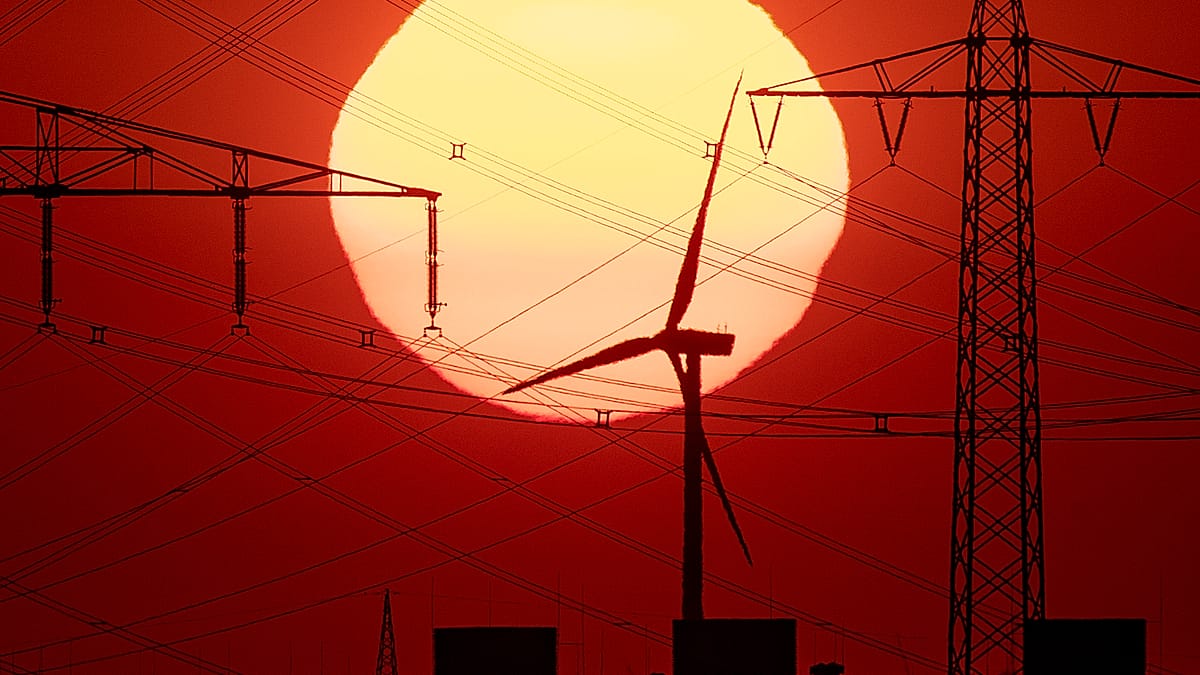
The EU renewable electricity milestone is more than an energy statistic—it is a cultural signal for how Europe will power its homes, industries and premium lifestyles next. With renewables now supplying 45.5% of EU electricity in the first quarter of 2026, the shift is becoming highly relevant to luxury brands, luxury decor and luxury design that increasingly depend on resilient, low-carbon energy systems.
According to new Eurostat data, renewable electricity in the EU rose from 42.7% in the first quarter of 2025 to 45.5% a year later. Wind provided the biggest share of renewable generation, followed by hydropower and solar. That trend matters far beyond utilities: it influences how luxury residences are built, how flagship boutiques are operated and how premium products are positioned in an era where sustainability and energy security now shape consumer expectations.
EU Renewable Electricity Hits 46% and Redefines Premium Living
The EU renewable electricity milestone reflects a fast-moving transformation in Europe’s power mix. Wind accounted for 44.9% of renewable generation, hydropower 28% and solar 17.3%, with smaller contributions from combustible renewable fuels, geothermal and other sources.
For luxury sectors, this matters in practical and symbolic ways:
- Energy resilience supports uninterrupted operations for luxury hotels, ateliers and retail spaces.
- Lower fossil fuel dependence helps premium brands manage long-term operating costs.
- Sustainability credentials increasingly influence affluent consumers making design, travel and lifestyle decisions.
- Green energy integration is becoming part of modern architectural prestige.
In short, the EU renewable electricity milestone is helping define what future-facing luxury looks like: elegant, efficient and less exposed to volatile imported fuel markets.
Which European Countries Are Leading the Renewable Shift?
Not all member states are moving at the same pace. Denmark leads the EU with 90% of its electricity generated from renewable sources, driven largely by wind power. Portugal follows at 82.9%, supported by hydropower, while Lithuania ranks third at 75.7%, with wind playing a major role.
At the other end, Czechia stands at 12.7%, Malta at 13% and Slovakia at 17.2%.
Top performers
- Denmark: 90%
- Portugal: 82.9%
- Lithuania: 75.7%
Lowest shares
- Czechia: 12.7%
- Malta: 13%
- Slovakia: 17.2%
This uneven landscape creates very different conditions for luxury real estate, hospitality and design investment. Markets with stronger renewable infrastructure may become more attractive for upscale developments, especially where sustainability performance and operational stability are part of the value proposition.
Why the EU Renewable Electricity Milestone Matters to Luxury Brands
Luxury brands are no longer judged only on craftsmanship and exclusivity. They are also evaluated on sourcing, emissions, retail operations and future readiness. The EU renewable electricity milestone gives high-end businesses a stronger foundation for decarbonising stores, manufacturing sites and logistics hubs.
For example, a flagship store powered by cleaner electricity can reduce indirect emissions without altering the customer experience. A luxury fashion house or premium furniture maker operating in a renewables-heavy market may also find it easier to align with ESG commitments and rising regulatory expectations.
Several advantages stand out:
- Brand equity: Clean energy use strengthens sustainability storytelling without sacrificing prestige.
- Cost management: Greater renewable penetration can reduce exposure to imported gas shocks over time.
- Investor appeal: Energy transition progress supports stronger environmental reporting.
- Customer loyalty: High-net-worth consumers increasingly value responsible innovation.
In luxury, perception matters. But increasingly, so does infrastructure. The EU renewable electricity milestone shows that clean power is becoming a premium asset in its own right.
Luxury Decor and Interior Design in a Renewable Energy Era
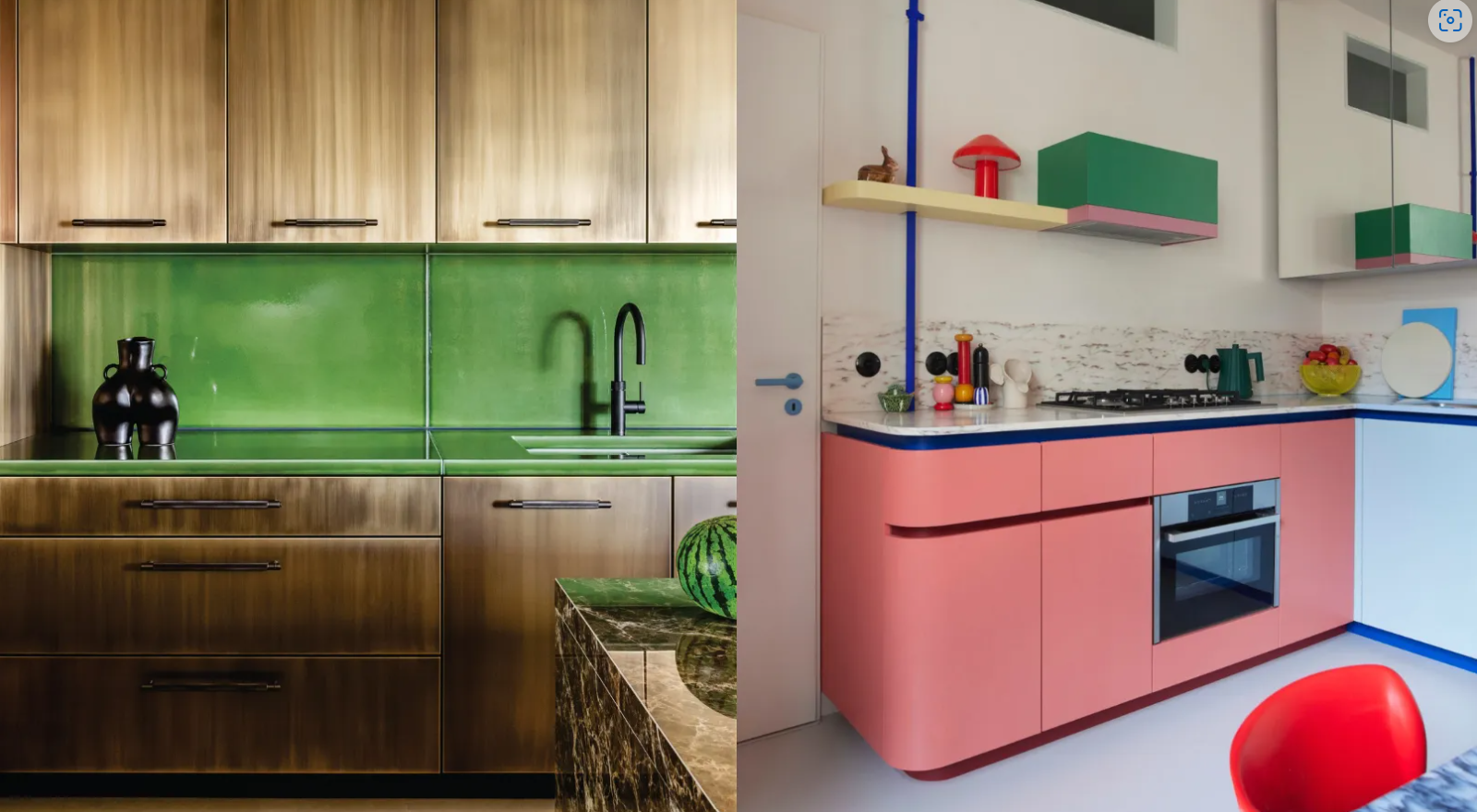
The rise in renewable electricity is also influencing the aesthetics and engineering of upscale interiors. Luxury decor is moving toward a model where beauty and performance coexist: energy-efficient lighting, smart climate systems, advanced glazing, discreet battery integration and solar-ready architecture are becoming part of high-end specification.
This does not mean compromising on refinement. Quite the opposite. The next generation of luxury design is defined by seamless technology, natural materials and lower-impact living environments that feel both indulgent and intelligent.
Design directions gaining momentum
- Architectural homes designed to optimize natural light and thermal balance
- High-end interiors using smart energy controls without visible tech clutter
- Premium outdoor spaces incorporating solar features in subtle, design-led ways
- Bespoke hospitality concepts built around energy efficiency and climate comfort
As the EU renewable electricity milestone accelerates the region’s transition, designers and developers have an opportunity to translate infrastructure change into aspirational living spaces.
Can More Renewables Really Lower Energy Bills?
One of the strongest arguments for the clean energy transition is cost. The International Energy Agency reported that the EU saved €51.4 billion in 2025 by reducing fossil fuel imports. Meanwhile, analysis from the Centre for Research on Energy and Clean Air found that consumers in Denmark, Finland, France, Sweden and Slovakia are set to save €8.5 billion on energy bills this year thanks to high clean energy shares.
That said, Europe’s power system remains vulnerable. During June’s heatwave, electricity bills in France and Germany jumped by more than €700 million in a single week as cooling demand surged and gas was needed to fill the gap. This has renewed debate around the EU’s pricing system, where the most expensive required energy source often sets the overall market price.
The lesson is clear: the EU renewable electricity milestone is significant, but more storage, grid modernization and renewable capacity are still needed before Europe fully escapes gas-driven price spikes.
What Comes Next for Luxury Design and European Energy?
The connection between energy and luxury may once have seemed distant. Today, it is direct. From five-star hotels and designer residences to flagship retail and premium manufacturing, cleaner electricity is becoming part of how value is created and protected.
The EU renewable electricity milestone signals a future where high-end living is not only defined by rarity and craftsmanship, but also by energy intelligence. For luxury brands, luxury decor and luxury design, the takeaway is simple: sustainability is no longer an accessory to excellence—it is becoming one of its defining materials.
As the EU renewable electricity milestone continues to reshape Europe, the most forward-looking luxury players will be those that treat clean power not as a compliance issue, but as a design advantage, a business safeguard and a new mark of modern prestige.