
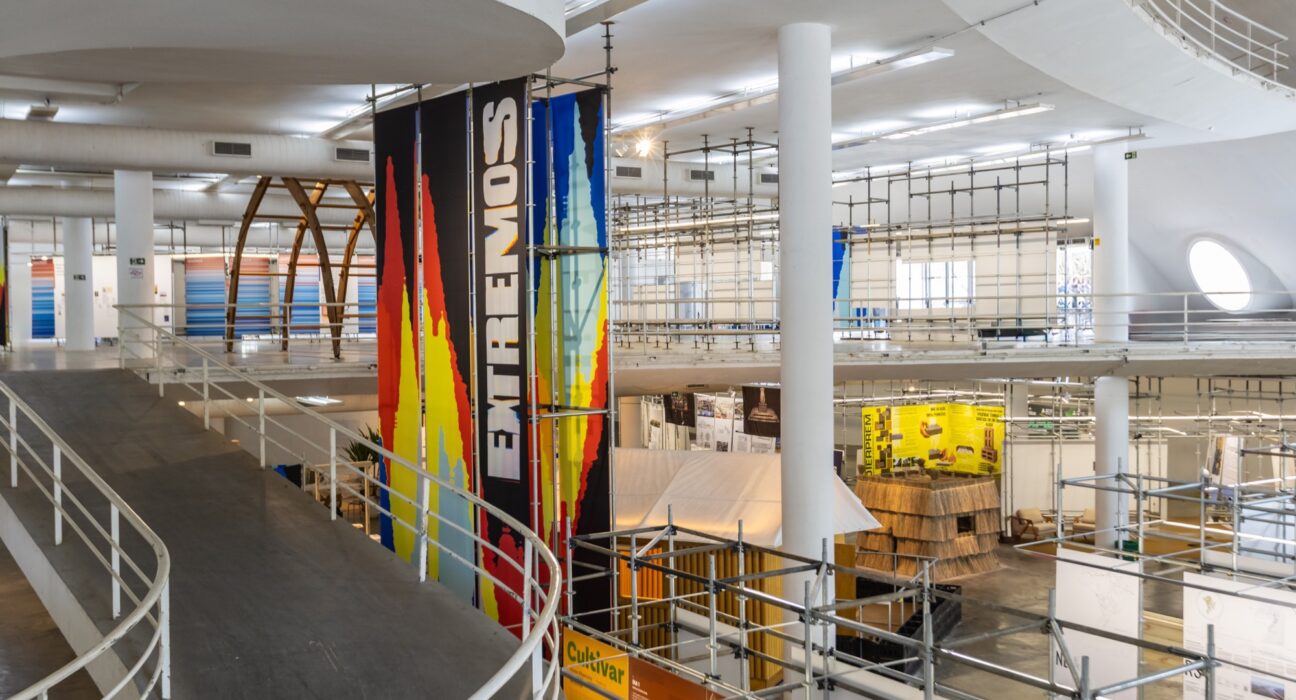
Architecture news rarely feels as urgent as it does at the 14th International Architecture Biennial of São Paulo. Set inside the iconic Oca in Ibirapuera Park, this year’s edition transforms an exhibition into a sharp, timely conversation about how design can respond to climate extremes, social inequality, and the future of human habitation.
Under the theme Extremes: Architectures for a Hot World, the biennial asks a question that reaches far beyond Brazil: how do we live well, safely, and beautifully on a planet under pressure? For readers interested in luxury architecture, luxury home design, and elevated interiors, the event offers a compelling reminder that the future of refinement will also depend on resilience, ecological intelligence, and cultural awareness.
Architecture News From São Paulo With Global Relevance
This edition of the São Paulo Architecture Biennial stands out because it does not treat architecture as an isolated art form. Instead, it frames design as a practical and ethical response to environmental breakdown. As heat waves intensify, water levels rise, and cities face widening social divides, the exhibition positions architecture as a tool for adaptation rather than mere aesthetics.
That shift makes this architecture news especially significant. The biennial gathers architects, researchers, artists, and communities to explore possible futures through built space. Rather than offering a single solution, it presents a layered dialogue between:
- Ancestral knowledge and indigenous perspectives
- Emerging technologies and new materials
- Local experiments and global urban debates
- Critical theory and real-world design practice
For the luxury sector, this matters deeply. High-end homes and interiors are increasingly judged not only by craftsmanship and exclusivity, but also by energy performance, material sourcing, and long-term livability.
Why the Oca Became the Ideal Setting
Unlike previous biennials that were spread across several venues across the city, the 2025 edition was consolidated under one roof. The curatorial team chose the Oca as a singular stage, allowing visitors to move through a more coherent narrative. That decision gives the exhibition greater clarity and emotional force.
The Oca itself functions as more than a backdrop. Its sweeping modernist form turns into a meeting ground where ideas overlap: climate-responsive architecture, social housing innovation, experimental design, and future-focused domestic spaces. In the context of architecture news, the spatial concentration makes the message easier to grasp: the crises affecting cities, homes, landscapes, and communities are interconnected, and the design response must be equally integrated.
A Curatorial Vision Rooted in Urgency
The curators assembled a framework that reflects the complexity of today’s built environment. Rather than celebrate architecture as spectacle, they emphasize architecture as responsibility. This is an important distinction for luxury design audiences, who are increasingly seeking spaces that merge elegance with environmental ethics.
The biennial suggests that beauty in the coming decades may be defined by qualities such as adaptability, thermal comfort, low-impact construction, and social inclusion. In other words, true sophistication may lie in how intelligently a space performs under stress.
What Luxury Architecture Can Learn From This Biennial
The most valuable takeaway from this architecture news story is that climate-aware design is no longer a niche concern. It is becoming central to every level of the market, including luxury architecture and luxury home decor.
Several key ideas emerging from the biennial can influence premium residential design:
- Passive cooling matters. In a hotter world, orientation, shading, ventilation, and thermal mass become essential features of desirable homes.
- Materials tell a story. Natural, locally sourced, low-carbon materials can add depth, authenticity, and environmental value to luxury interiors.
- Water resilience is a design priority. Landscaping, drainage, and flood-aware planning are becoming part of high-end property thinking.
- Cultural intelligence elevates design. Projects rooted in place, memory, and community often feel richer than generic global aesthetics.
- Flexibility is the new luxury. Homes designed to adapt to changing climates and lifestyles offer lasting value.
This broader perspective connects architecture, luxury decor, and sustainable living in a meaningful way. The result is a vision of luxury that is less about excess and more about stewardship, performance, and enduring comfort.
From Exhibition Concept to Real-World Design Direction
One reason this architecture news resonates is that it reflects a wider shift already happening across the design industry. Architects and interior designers are rethinking what a successful project looks like. Prestige alone is no longer enough; clients want homes that are healthier, more energy efficient, and better equipped for climate volatility.
That has major implications for luxury home planning. Features once considered technical are now part of the design language itself, including:
- Deep overhangs and sun-control facades
- Cross-ventilation strategies
- Drought-tolerant gardens
- Natural stone, reclaimed wood, and bio-based finishes
- Multi-functional indoor-outdoor living areas
The São Paulo biennial reinforces that these are not compromises. They are opportunities to create spaces that feel more grounded, tactile, and future-ready.
Designing for Extremes Without Losing Elegance
Perhaps the most inspiring lesson is that resilience does not have to come at the expense of beauty. Thoughtful architecture can be both poetic and practical. A shaded courtyard, a breathable facade, a carefully selected material palette, or a home planned around seasonal shifts can all contribute to a highly refined lifestyle.
For professionals and enthusiasts following architecture news, this exhibition highlights a new design benchmark: spaces that respond gracefully to environmental realities while preserving comfort, distinction, and visual harmony.
Why This Architecture News Matters Now
The São Paulo Architecture Biennial arrives at a moment when the built environment can no longer avoid the central questions of climate and equity. Its strength lies in presenting architecture not as a finished answer, but as an evolving field of experimentation and collective reflection.
That makes this architecture news especially relevant for anyone interested in luxury design categories. The future of the luxury home will likely be shaped by principles now gaining momentum at events like this one: ecological sensitivity, local intelligence, durable materials, and a deeper understanding of how we inhabit land and climate.
In the end, the most important message from this architecture news story is simple: the homes and spaces of tomorrow must do more than impress. They must protect, adapt, and endure. The São Paulo Architecture Biennial shows that when architecture embraces that challenge, it can point toward futures that are not only possible, but profoundly livable.