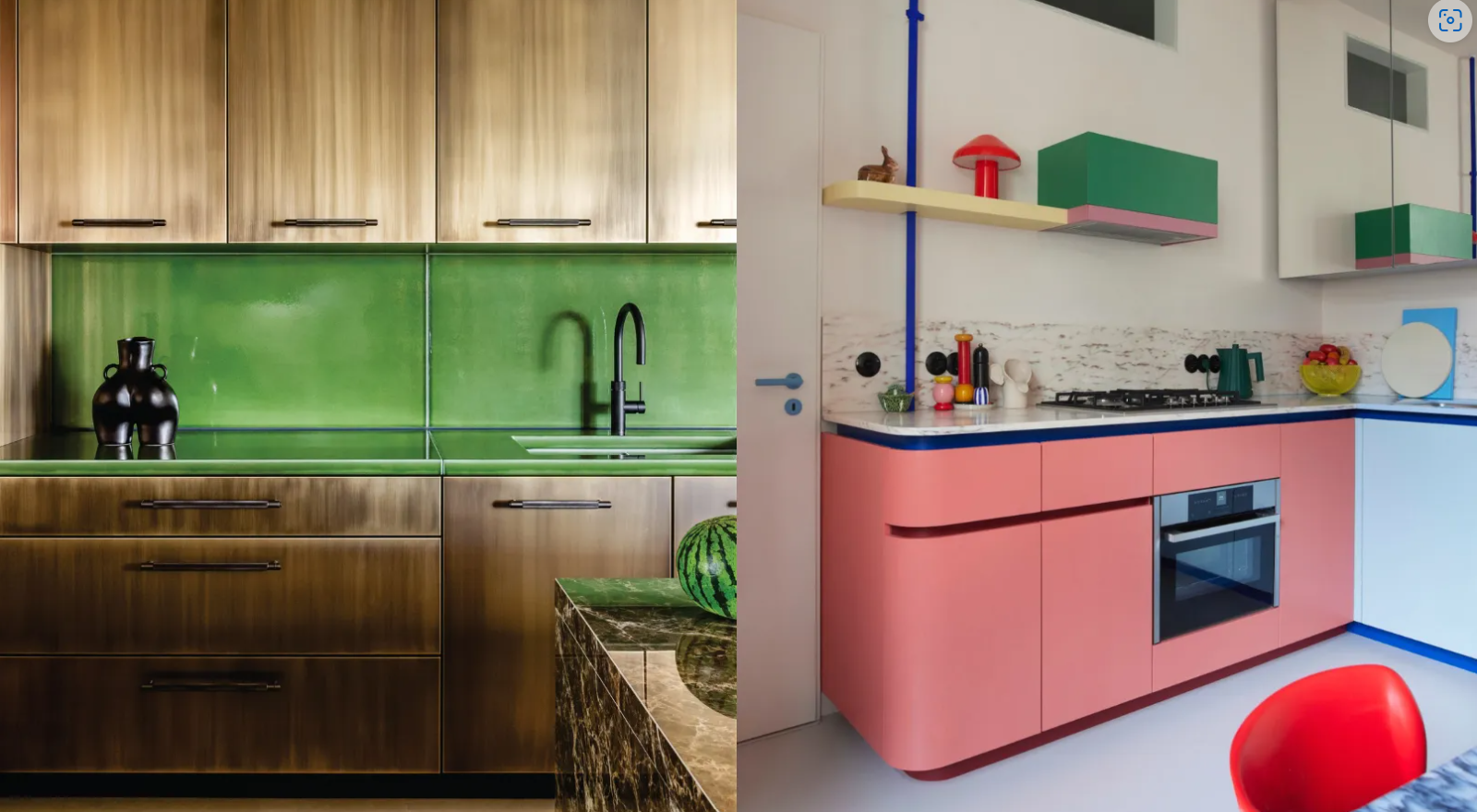


Luxury design is entering a new era, and Europe’s escalating heatwaves are accelerating the shift. What once defined prestige in homes, hotels, boutiques, and landmark buildings is being reimagined through the lens of climate resilience, wellness, and intelligent comfort.
From overheated zinc rooftops in Paris to urgent investments in cooling schools and hospitals across France, the latest European health and climate headlines point to one clear truth: luxury design can no longer be judged by aesthetics alone. Today, the most forward-thinking spaces must also protect wellbeing, regulate temperature, and remain beautiful under pressure.
Luxury Design Meets the Reality of Extreme Heat
Recent reports across Europe describe record-breaking temperatures, rising heat-related deaths, overwhelmed hospitals, and public warnings from health authorities to treat heatwaves as a health crisis. For the worlds of luxury brands, luxury decor, and high-end architecture, this is more than a climate story. It is a design mandate.
Luxury design has historically celebrated dramatic materials, sun-drenched spaces, vast glazing, and iconic rooftops. But these same features can intensify indoor heat if they are not paired with smart cooling strategies. In cities such as Paris, even beloved architectural elements like zinc rooftops have been described as dangerous heat traps during severe hot spells.
This shift is pushing designers, developers, and luxury homeowners to ask tougher questions:
- How does a space perform during a multi-day heatwave?
- Can premium interiors remain comfortable without excessive energy use?
- What materials balance elegance with thermal control?
- How can wellness become a visible part of luxury?
Why Heat Resilience Is Becoming a Luxury Essential
As European institutions and health experts warn that current heatwaves are only a preview of hotter summers ahead, expectations around premium spaces are changing. In the past, climate responsiveness was often associated with practical or commercial design. Now it is becoming central to luxury design.
Comfort Is the New Status Symbol
In elite interiors, true exclusivity increasingly means invisible performance: rooms that stay cool, quiet, and healthy even when outdoor temperatures soar. Clients are placing a premium on environments that feel effortlessly calm, especially in urban penthouses, heritage apartments, and luxury hospitality settings.
This evolution aligns luxury with wellness. Heat stress affects mood, sleep, productivity, and overall health. A beautifully styled room that becomes unbearable in summer no longer meets modern expectations.
Health-Centred Spaces Matter More Than Ever
Public health coverage across Europe has highlighted how extreme temperatures strain hospitals, schools, transport networks, and homes. That growing awareness is influencing private design decisions too. Buyers and brands want interiors that support recovery, rest, and thermal stability.
For luxury decor specialists, this means every surface and furnishing choice now carries extra weight. Upholstery, drapery, flooring, wall finishes, and window treatments all play a role in how a room absorbs or releases heat.
How Luxury Brands and Designers Are Responding
The best responses do not sacrifice style. Instead, they expand what luxury design can mean by blending craftsmanship with environmental intelligence.
1. Smarter Material Selection
Heatwaves are renewing interest in materials known for their cooling or insulating properties. Designers are revisiting traditional, regionally appropriate choices and pairing them with contemporary detailing.
Popular strategies include:
- Natural stone flooring that stays cooler underfoot
- Lime-based plasters and breathable wall finishes
- Wood elements that reduce harsh solar glare compared with metal-heavy schemes
- High-performance glazing with solar control properties
- Insulated roof systems that preserve the look of heritage structures while improving comfort
In this context, luxury design becomes less about excess and more about enduring quality.
2. Soft Power Through Luxury Decor
Luxury decor is also evolving beyond visual richness. Layered curtains, textured blinds, light-filtering screens, and artisanal shutters can reduce heat gain while adding depth and softness to interiors. Decorative choices that once served purely aesthetic goals now support temperature management as well.
Expect to see more:
- Light-toned textiles that reflect rather than absorb heat
- Natural fibers such as linen and cotton for summer adaptability
- Statement ceiling fans integrated into designer schemes
- Modular shading elements for terraces, courtyards, and balconies
3. Passive Cooling as High-End Innovation
Some of the smartest ideas in luxury design are not flashy. Cross-ventilation, shaded courtyards, recessed windows, thermal mass, and landscape planning are regaining relevance. These passive cooling methods lower dependence on energy-intensive air conditioning while preserving serenity and architectural character.
For luxury hotels and branded residences, passive design has become particularly valuable. Guests expect seamless comfort, but they also increasingly notice whether a property feels sustainable and future-ready.
The New Aesthetic of Climate-Conscious Luxury
There is a broader cultural shift underway. Luxury brands have long sold aspiration, but aspiration itself is changing. Today’s affluent consumer is less impressed by fragile glamour and more drawn to spaces that feel intelligent, restorative, and resilient.
This gives luxury design a new visual language:
- Elegant shading instead of exposed excess glass
- Cool, tactile surfaces instead of heat-retaining finishes
- Biophilic elements that soften urban heat
- Architecture that respects local climate conditions
- Interiors designed for year-round wellbeing
In other words, climate awareness is not diminishing luxury. It is refining it.
What This Means for Homeowners, Developers, and Luxury Brands
For anyone shaping premium spaces, the takeaway is practical. Heat resilience should be addressed early, not added as an afterthought.
Key priorities for future-facing luxury design projects include:
- Audit thermal weak points such as roofs, glazing, and sun-exposed rooms.
- Invest in adaptive decor including shading, breathable textiles, and flexible layouts.
- Combine heritage with performance when restoring older buildings.
- Design for wellness by considering sleep quality, airflow, and heat stress reduction.
- Align sustainability with prestige so efficiency enhances rather than compromises the brand experience.
As Europe’s health and climate warnings grow more urgent, premium design sectors have a chance to lead. The most admired spaces of the next decade will not simply look exquisite in photographs. They will also perform beautifully in a hotter world.
Conclusion: Luxury Design Must Be Beautiful, Resilient, and Human-Centred
Europe’s heatwave crisis is reshaping the standards of modern living, and luxury design is at the center of that transformation. For luxury brands, decorators, architects, and homeowners alike, the future belongs to spaces that unite elegance with protection, innovation with comfort, and prestige with real-world performance.
The clearest takeaway is simple: the next generation of luxury will not just be seen. It will be felt in cooler rooms, healthier interiors, and smarter environments designed to thrive in extreme heat.