

How EU Political Intrigue Shapes Luxury Architecture, Design, and Interiors Across Europe
Luxury architecture rarely exists in a vacuum. Behind every landmark residence, embassy renovation, diplomatic quarter, or high-end interior project in Europe lies a web of policy, trust, governance, and cross-border influence. The latest controversy surrounding a leaked EU document on an alleged Hungarian spy ring may seem far removed from marble foyers and bespoke interiors, but for investors, developers, and designers, it highlights a deeper truth: political stability and institutional credibility directly affect the world of luxury architecture.
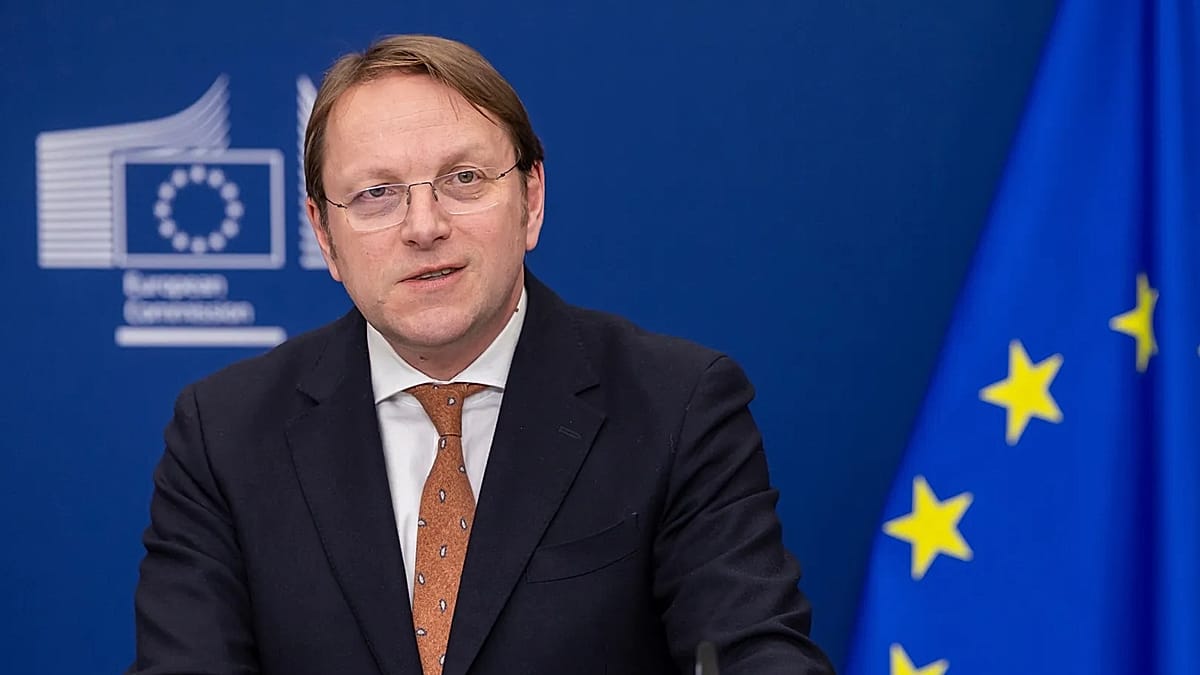
As scrutiny intensifies around EU Commissioner Olivér Várhelyi and questions of diplomatic conduct in Brussels, the story offers an unexpected lens through which to understand risk, prestige, and decision-making in Europe’s premium built environment.
Why Luxury Architecture Depends on Political Trust
At the highest end of the market, luxury architecture is about more than aesthetics. It is tied to location desirability, investor confidence, regulatory clarity, and the reputation of entire cities. When political scandals emerge at the European level, they can influence:
- Foreign investment in prime real estate
- Demand for diplomatic and executive residences
- Cross-border development partnerships
- Confidence in long-term urban regeneration projects
- The appeal of Brussels and other EU capitals as elite design hubs
The leaked European Commission document reportedly confirmed that Hungary’s Permanent Representation in Brussels operated an intelligence network targeting Commission staff between 2012 and 2018. Although no major security breach was said to have been intercepted, the revelations revived concerns about oversight, transparency, and governance within the EU ecosystem.
For sectors linked to luxury architecture, such events matter because prestige real estate thrives in environments perceived as secure, stable, and internationally respected.
Brussels: A Capital Where Politics and Luxury Design Intersect
Brussels is often discussed as an administrative capital, but it is also a city shaped by diplomatic residences, executive apartments, institutional headquarters, and refined hospitality spaces. This makes it a subtle yet important center for luxury architecture, luxury design, and luxury interiors.
In cities like Brussels, the design of space often mirrors power. High-end interiors in diplomatic buildings, ambassadorial residences, and discreet private compounds are expected to balance elegance with privacy, security, and symbolism. Political turbulence can therefore influence not only property values but also design briefs themselves.
How uncertainty affects premium projects
When trust in institutions comes under pressure, developers and owners may rethink priorities. In practical terms, this can lead to:
- Greater emphasis on privacy-led layouts such as layered entrances, separated staff circulation, and protected meeting areas
- Higher demand for secure luxury interiors including acoustically shielded rooms and discreet smart-home systems
- A preference for established design markets where legal and political frameworks feel more predictable
- Longer investment timelines as buyers assess geopolitical exposure before committing capital
In this way, even a political controversy can ripple into the planning and execution of luxury architecture projects.
What the Várhelyi Case Signals for Luxury Interiors and Elite Real Estate
The renewed criticism of Várhelyi stems from his tenure as Hungary’s ambassador to the EU during part of the period under investigation. He has denied knowledge of the alleged spy network, while critics argue that the reported findings raise serious questions about suitability for office and institutional independence.
For readers in luxury design and property, the significance is less about party politics and more about what this episode reveals: elite European environments are deeply interconnected. Governance controversies can affect perception, and perception plays a major role in the desirability of premium assets.
That is especially true in the world of luxury architecture, where value is often built on intangible qualities such as prestige, confidence, exclusivity, and international standing.
Design consequences in politically sensitive environments
Across Europe, top-tier architects and interior designers increasingly work with clients who want homes and spaces that feel both luxurious and resilient. In politically exposed markets, that can mean:
- Using natural stone, bronze, and timber in ways that communicate permanence
- Integrating discreet surveillance and access control without disrupting visual harmony
- Creating flexible interiors that can function for private living, hosting, or diplomatic use
- Designing wellness spaces that reinforce retreat and seclusion
- Prioritising craftsmanship that reflects cultural legitimacy and lasting value
These are not merely stylistic choices. They are strategic responses to a world in which trust can shift quickly.
Luxury Architecture as a Reflection of European Power and Identity
Europe’s most compelling luxury architecture often sits at the intersection of heritage and modernity. From restored townhouses near EU institutions to contemporary penthouses designed for globally mobile elites, these spaces express both identity and influence.
When a scandal touches the heart of European governance, it reminds the market that architecture is never only physical. Buildings embody systems of order, authority, and aspiration. Luxury design, in this context, becomes a visual language of confidence.
That is why institutional uncertainty can have outsized effects on luxury sectors. A city associated with discretion, integrity, and rule-based governance is naturally more attractive to buyers seeking safe-haven properties and beautifully designed residences.
Where the market may go next
If political pressure around the case continues, several broader trends may gain momentum:
- Increased investor focus on governance quality in European capitals
- Rising interest in secure, service-rich residences near institutional districts
- More demand for tailored luxury interiors that balance openness with confidentiality
- A premium on architecture that communicates stability, restraint, and legacy
For architects, specifiers, and interior studios, that means understanding geopolitics is becoming almost as important as understanding materials and form.
Conclusion: Why Luxury Architecture Must Be Read Through a Political Lens
The leaked EU document and the renewed pressure on Olivér Várhelyi are fundamentally political developments, but their implications reach well beyond Brussels. They underscore how governance, diplomacy, and institutional trust can shape investment patterns, urban desirability, and the future of luxury architecture.
For anyone working in luxury design, luxury interiors, or high-end real estate, the takeaway is clear: the value of exceptional spaces depends not only on beauty and craftsmanship, but also on the credibility of the systems surrounding them. In Europe, luxury architecture remains inseparable from power, stability, and the confidence that elite buyers seek above all else.