
How Europe’s Political Shifts Are Influencing Luxury Design and Premium Interiors
Luxury design rarely exists in a vacuum. From geopolitical tensions to debates over EU enlargement, the wider European mood often influences how luxury brands, collectors, and homeowners think about beauty, security, craftsmanship, and long-term value. As headlines focus on Ukraine, NATO, and the future of Europe’s political architecture, luxury design in Europe is also entering a new phase shaped by resilience, heritage, and cultural identity.
For high-end interiors and premium decor, today’s European story is not only about politics. It is also about how uncertainty can reshape taste, sourcing, investment, and the meaning of luxury itself.
Luxury Design in Europe Is Being Reframed by a Changing Continent
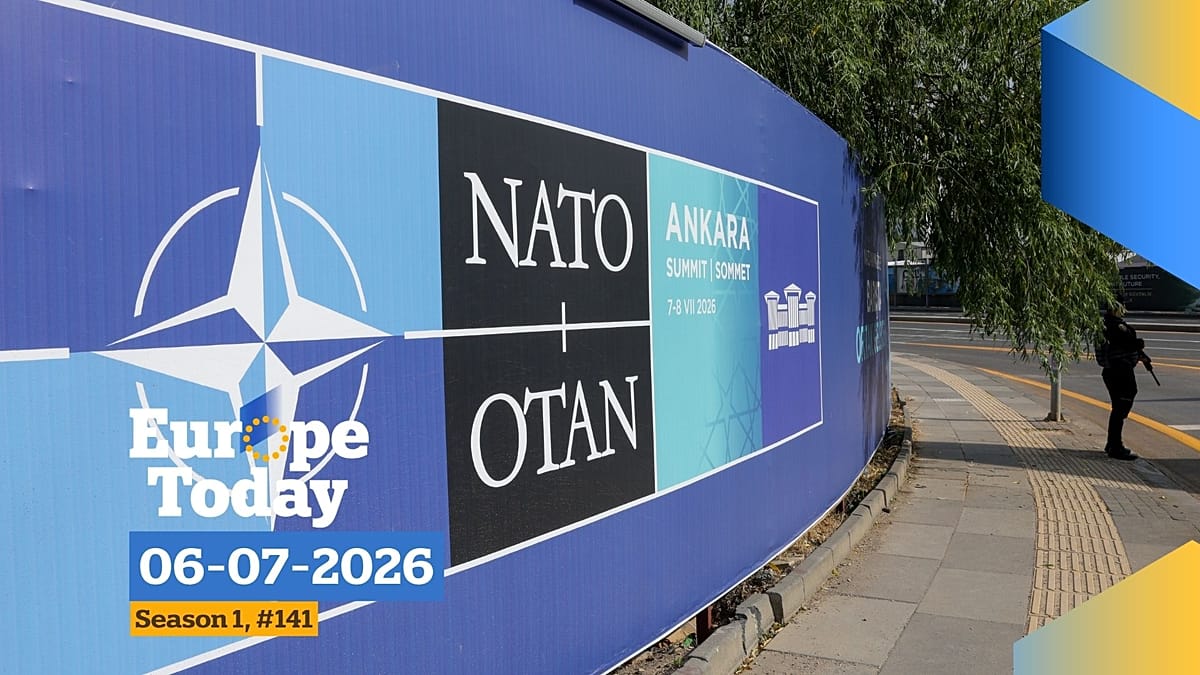
The latest developments across Europe, including renewed attention on Ukraine’s future, NATO security discussions, and proposed reforms to the EU enlargement process, point to a continent in transition. While these issues sit firmly in the political sphere, their effects reach creative industries too. Luxury design in Europe is increasingly defined by values that go beyond aesthetics: provenance, durability, artisanal excellence, and cultural storytelling.
For luxury consumers, especially in decor and interior design, periods of political uncertainty often trigger a move away from trend-driven purchases toward pieces with lasting value. In practical terms, that means:
- Greater interest in bespoke furniture and collectible design
- Rising appreciation for regional craftsmanship
- Preference for noble materials with traceable sourcing
- More demand for interiors that feel timeless rather than seasonal
This makes luxury design in Europe especially relevant today, as buyers look for stability and emotional connection in the objects they bring into their homes.
The Return of Heritage, Craft, and Cultural Identity
One of the most notable shifts in the premium market is a renewed focus on heritage. As Europe debates identity, borders, and expansion, luxury brands are leaning more heavily into local narratives. Design houses are emphasizing where products are made, who made them, and which traditions they preserve.
That is particularly visible in sectors tied to luxury decor, including:
- Hand-finished wood furniture from Central and Eastern Europe
- Murano glass lighting and sculptural objects
- French textile ateliers producing couture-level upholstery
- Italian stone, marble, and metalwork for custom interiors
In this environment, luxury design in Europe becomes a cultural statement as much as a style choice. Consumers are not just buying a sofa, chandelier, or table. They are buying continuity, expertise, and a sense of place.
Why Storytelling Matters More Than Ever
Affluent clients increasingly want to understand the backstory behind a product. They ask where raw materials come from, whether an atelier is family-owned, and how a piece fits into a broader design tradition. This appetite for authenticity gives luxury brands an opportunity to stand apart from mass-premium competitors.
For the luxury sector, storytelling now supports both desirability and trust. In a changing Europe, trust is becoming a powerful design currency.
How Geopolitical Pressure Can Shape Luxury Interiors
Although interior design may seem distant from foreign policy, the connection is real. Supply chains, material costs, artisan mobility, and investor confidence are all affected by geopolitical events. As a result, luxury design in Europe is adapting in several clear ways.
1. More Investment in Lasting Pieces
High-net-worth buyers are becoming more selective. Instead of frequent redesigns, many are commissioning fewer but better pieces—custom dining tables, heirloom seating, museum-quality lighting, and collectible objects that hold value over time.
2. A Shift Toward Emotional Comfort
When the broader climate feels unstable, interiors often become warmer, quieter, and more cocooning. Expect to see:
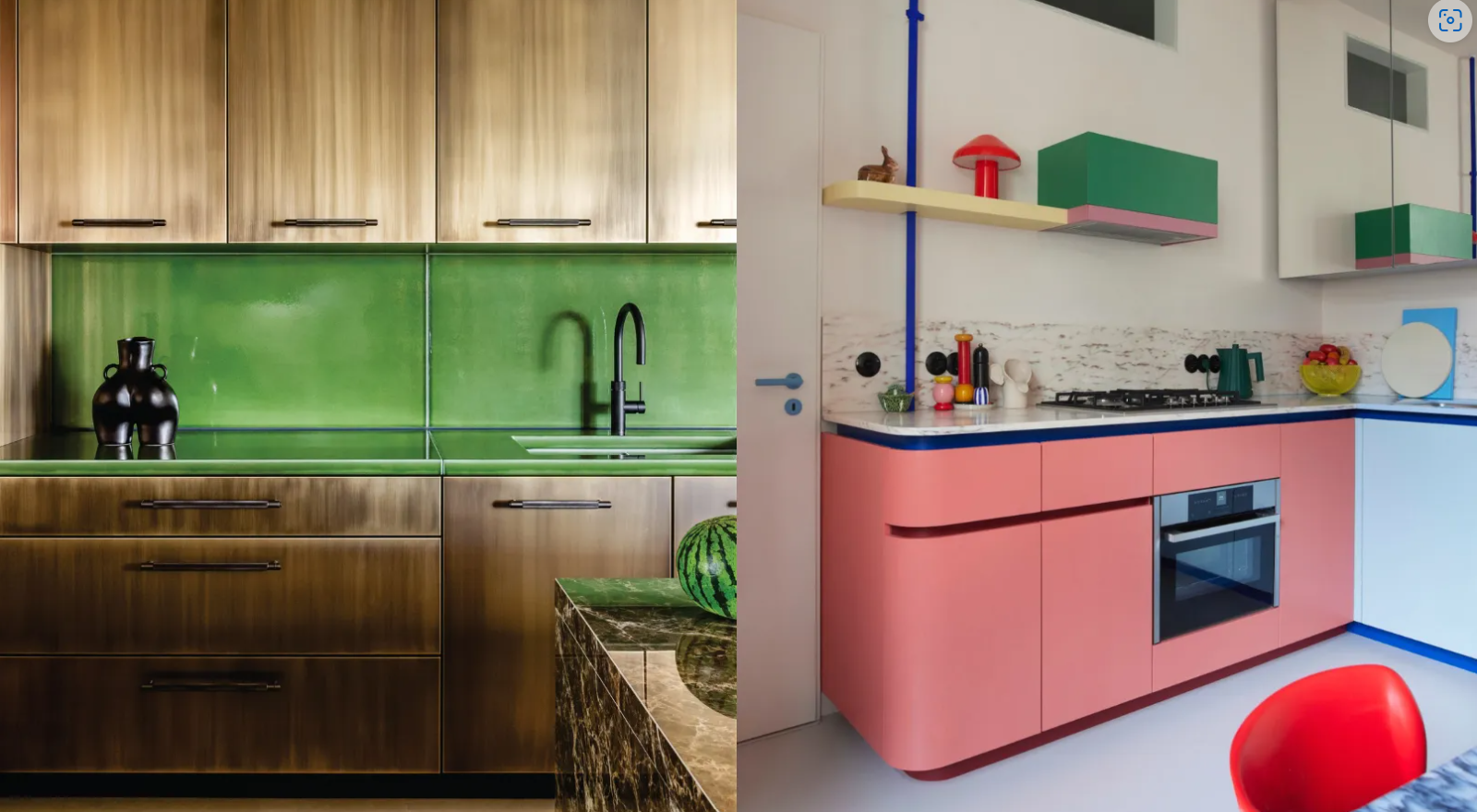
- Rich natural textures such as wool, boucle, cashmere, and linen
- Deep wood tones and tactile finishes
- Layered lighting designed for softness and intimacy
- Muted palettes with earthy neutrals, mineral greens, and stone-inspired shades
This softer approach reflects how luxury design in Europe is balancing sophistication with psychological comfort.
3. Greater Respect for Regional Production
As European institutions discuss the future of integration and candidate countries watch reforms closely, local manufacturing gains strategic appeal. Designers and brands are increasingly highlighting European workshops not only for quality reasons, but also for flexibility, reduced logistical risk, and closer creative collaboration.
What This Means for Luxury Brands and Designers
Luxury brands operating in decor and design should pay close attention to this moment. The market is rewarding companies that combine elegance with substance. In other words, visual beauty alone is no longer enough.
To remain competitive, brands should focus on:
- Craft credibility: Showcase atelier processes, specialist makers, and material expertise.
- Cultural fluency: Respect Europe’s diversity and regional design languages.
- Timeless positioning: Emphasize permanence over short-lived trends.
- Responsible sourcing: Offer transparency around materials and production.
- Design resilience: Create pieces that feel relevant across economic and political cycles.
For interior designers, this also opens up opportunities to curate spaces with more narrative depth. Clients want rooms that feel meaningful, not merely expensive. That distinction is becoming central to luxury design in Europe.
Eastern Europe and the Next Frontier of Luxury Design in Europe
As discussion continues around Ukraine’s future and the broader direction of EU enlargement, more attention may turn toward Eastern and Central European creative talent. The region already offers exceptional craftsmanship, strong design education, and rich decorative traditions, yet it remains underrepresented in many mainstream luxury conversations.
That could change. Forward-looking brands and specifiers are increasingly exploring:
- Emerging furniture studios from Poland, Ukraine, and the Baltics
- Architectural materials rooted in local stone, ceramic, and timber traditions
- Contemporary interpretations of folk motifs in textiles and surface design
- Collaborations that merge historic craft with modern luxury aesthetics
If Europe’s next chapter brings deeper integration and visibility for new markets, luxury design in Europe could become more diverse, layered, and regionally expressive than ever before.
Conclusion: Luxury Design in Europe Is Entering a More Meaningful Era
Europe’s political developments may seem far removed from the world of premium interiors, but they are helping redefine what luxury looks and feels like. Today, luxury design in Europe is moving toward authenticity, heritage, emotional comfort, and enduring quality. For luxury brands, decorators, and collectors, the message is clear: the future belongs to design that tells a story, honors craftsmanship, and offers substance as well as style.
In a continent navigating change, the most compelling luxury spaces will not simply reflect wealth. They will reflect identity, permanence, and cultural depth.