


Architecture News: Gehry’s Guggenheim Abu Dhabi Moves Toward Construction on Saadiyat Island
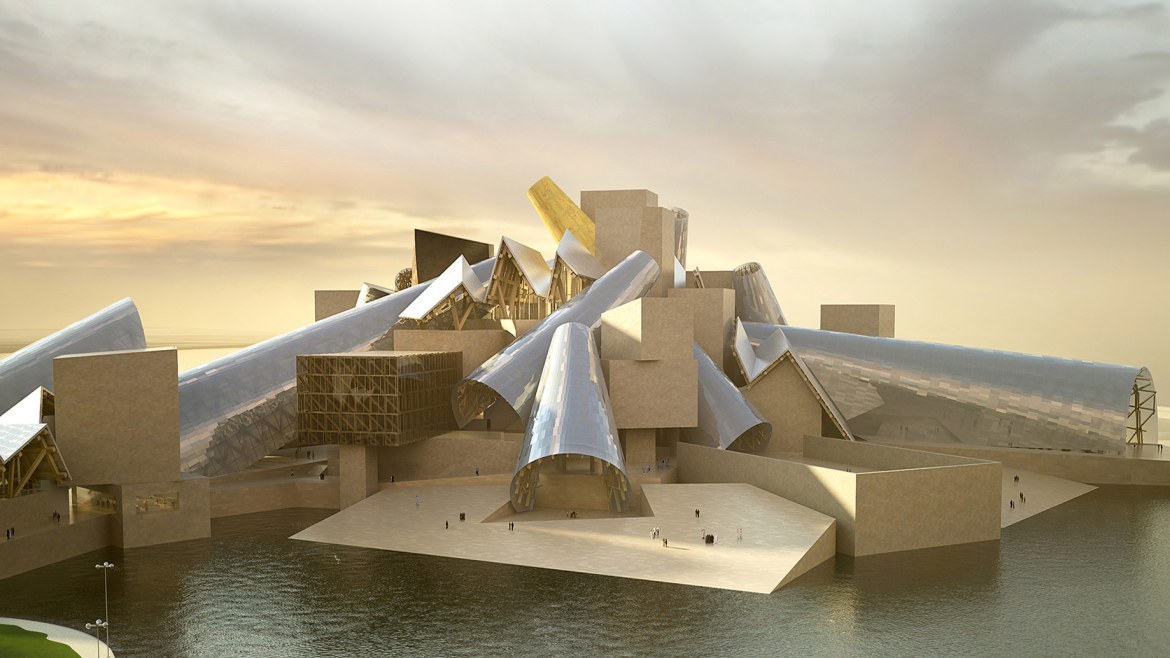
Architecture news rarely carries the same mix of cultural ambition, sculptural drama, and long-awaited momentum as Frank Gehry’s Guggenheim Abu Dhabi. After years of anticipation, the landmark museum on Saadiyat Island is once again at the center of global attention as it prepares to move from vision to construction.
Originally announced in 2007, the Guggenheim Abu Dhabi has spent more than a decade in development, becoming one of the most closely watched museum projects in the world. Positioned beside the Louvre Abu Dhabi in the United Arab Emirates, the future institution is set to expand the region’s cultural landscape with a building as bold as the collection it intends to house. For readers tracking luxury architecture, luxury design, and destination-defining cultural projects, this is a milestone worth watching.
Architecture News: Why Guggenheim Abu Dhabi Matters
The significance of this project goes far beyond a new museum opening. In the broader conversation around architecture news, Guggenheim Abu Dhabi represents a major investment in cultural infrastructure, contemporary art, and iconic design. It also reinforces Saadiyat Island’s role as a global arts district, where architecture is used not only to create buildings, but to shape identity and international prestige.
According to statements shared during Abu Dhabi’s Culture Summit, the project was described as on track and within budget, with construction expected to begin soon. While no final completion timeline was confirmed, the update marked a major step forward for a building that has lingered in the conceptual phase for years.
Its scale alone makes it remarkable:
- It is planned to be more than 12 times the size of Frank Lloyd Wright’s Guggenheim in New York.
- It will sit on Saadiyat Island, one of the UAE’s most important cultural and luxury development zones.
- It is designed to present global contemporary art from the 1960s to today.
That combination of size, ambition, and setting ensures the museum remains a standout story in international architecture coverage.
A Frank Gehry Design Shaped by Climate, Art, and Scale
Frank Gehry’s design for the museum is unmistakably sculptural, yet it is also deeply responsive to place. Renderings and project descriptions portray a composition of plaster-like volumes and translucent cones that appear both monumental and experimental. Rather than simply creating an eye-catching form, the design aims to engage the region’s light, heat, and coastal setting.
One of the most intriguing features is the use of self-cooling cones, a concept that suggests passive environmental thinking embedded within the architecture. In an era when luxury architecture is increasingly judged by both aesthetics and performance, this detail adds another layer of relevance to the project.
Industrial Inspiration Reimagined for a Global Museum
The museum’s concept draws inspiration from expansive industrial studio spaces, reflecting the oversized formats favored by many contemporary artists. This is especially important because traditional museum galleries often limit how large-scale installations, immersive works, and unconventional media can be displayed.
Instead of relying on a predictable sequence of rooms, Gehry’s plan introduces:
- Gallery clusters with varying heights and proportions
- Flexible exhibition spaces with distinct character
- Catwalk-connected volumes arranged around a covered courtyard
- A mix of vertical and horizontal circulation paths
This approach allows curators to organize exhibitions in ways that feel dynamic rather than rigid. It also gives the building a sense of movement, something Gehry’s work often achieves through form, layering, and circulation.
How the Museum Will Shape Luxury Architecture in the UAE
Within the world of luxury architecture, Guggenheim Abu Dhabi stands as more than a museum project. It is part of a wider story about how landmark design, cultural capital, and waterfront development intersect in the UAE. Saadiyat Island has already become synonymous with high-profile architecture, and this museum will strengthen that identity even further.
The project’s location is especially compelling. Surrounded on three sides by the waters of the Arabian Gulf, the building site also functions as a manmade breakwater designed to protect the island’s north beach zone. That means the architecture must perform at multiple levels: as a cultural destination, as an environmental response, and as a piece of strategic coastal infrastructure.
For audiences interested in luxury design and luxury home trends, there is also a broader lesson here. High-end design increasingly values spaces that are experiential, site-specific, and emotionally resonant. Even at the scale of a museum, those same principles influence premium residential architecture and luxury decor, where materiality, light, and spatial flow are central to the experience of place.
A Collection With Global Reach and Regional Relevance
Another reason this project continues to dominate architecture news is its curatorial mission. The Guggenheim Abu Dhabi plans to collect and exhibit art in all mediums produced around the world from the 1960s onward. That scope positions it as a major institution for modern and contemporary art, but with a distinct emphasis on cross-cultural dialogue.
Importantly, the museum also aims to advance scholarship tied to the history of art in the Middle East during the 20th and 21st centuries. That focus gives the institution significance beyond tourism or architectural spectacle. It suggests a long-term role in research, education, and the development of a more globally inclusive art history.
The museum’s commitment to artist commissions further strengthens that vision. By supporting works created specifically for the collection, the institution can help foster contemporary artistic production rather than simply display it.
What to Watch Next
As with many major cultural developments, the next phase will be closely monitored by architects, collectors, designers, and travelers alike. Key questions remain, including the full construction schedule and eventual opening date. But even without those details, the project’s movement toward groundbreaking is enough to re-energize interest.
Here is what makes the story especially important going forward:
- A globally recognized architect is delivering one of the largest museum projects of his career.
- The building will expand Abu Dhabi’s status as a world cultural destination.
- The design rethinks the museum typology for contemporary art at an extraordinary scale.
- The project blends iconic form with climate-conscious ideas and coastal urban planning.
Conclusion
In the world of architecture news, few projects feel as symbolic as Gehry’s Guggenheim Abu Dhabi finally edging toward construction. It is a story about patience, cultural ambition, and the enduring power of architecture to define a city’s global image. If completed as envisioned, this museum will not only reshape Saadiyat Island’s skyline, but also set a new benchmark for luxury architecture, museum design, and contemporary cultural space in the Middle East.
The takeaway is clear: Guggenheim Abu Dhabi is no longer just an iconic proposal. It is becoming one of the most important built stories in architecture news today.