Architecture news rarely captures a moment when design and history move in perfect step, but African modernism did exactly that. Across the mid-twentieth century, a remarkable generation of buildings emerged as newly independent nations used architecture not just to house institutions, but to express identity, ambition, and a distinctly modern future.
Today, renewed attention to these projects is reshaping the global design conversation. What was once underrepresented in mainstream architectural discourse is now being recognized as a sophisticated body of work: climate-responsive, technologically ambitious, and deeply tied to political transformation. For readers interested in luxury architecture, luxury design, and elevated interiors, this history offers more than academic value; it reveals how timeless elegance can be grounded in context, material intelligence, and national purpose.
Architecture News and the Rediscovery of African Modernism
Recent architecture news has highlighted a growing international reassessment of modernist buildings across Africa. This renewed focus is significant because many of these structures were long overshadowed by European narratives of the Modern Movement, despite offering some of its most inventive regional interpretations.
At its core, modernism emphasized function, structural clarity, reduced ornament, and the use of new materials and construction methods. Yet in Africa, these principles were never simply imported as-is. Architects adapted them to tropical climates, local urban conditions, and the symbolic demands of nation-building during and after independence.
The result was a distinctive architectural language defined by:
- Deep shading devices and brise-soleil for solar control
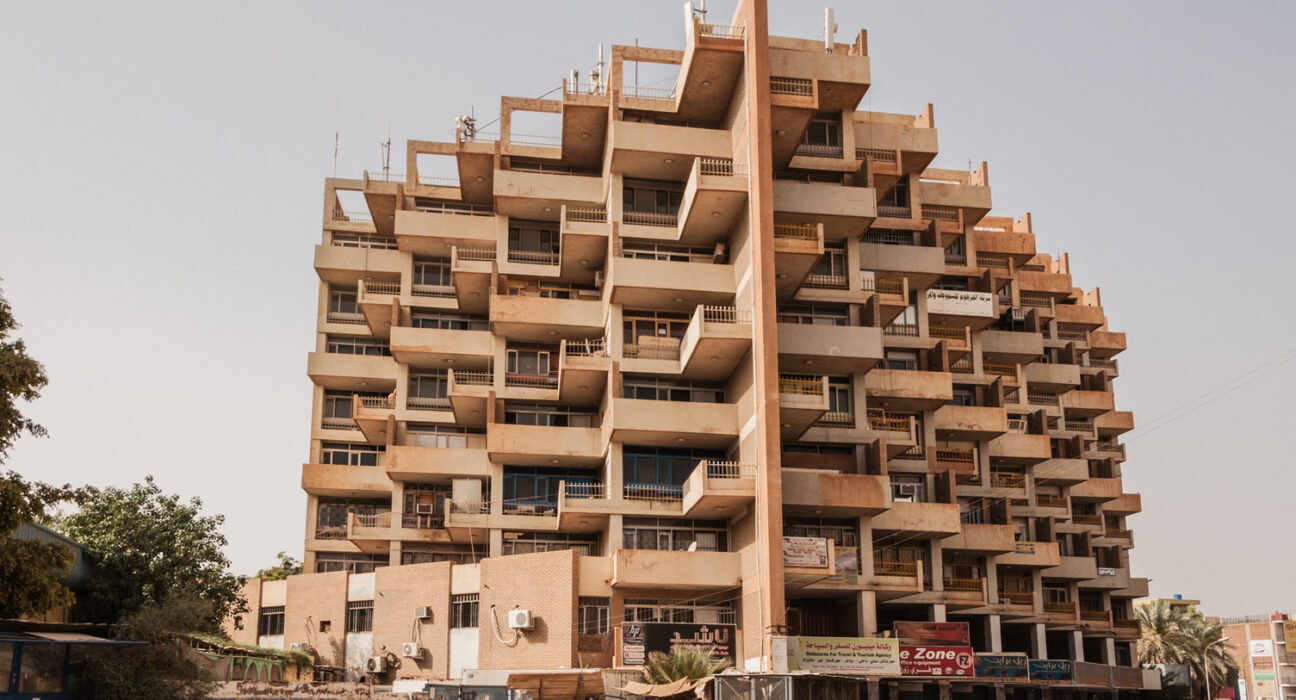
- Generous balconies, colonnades, and breezeways for ventilation
- Concrete forms adapted to local craftsmanship and construction realities
- Public buildings designed to embody civic confidence and modern statehood
- A balance between international design ideals and regional specificity
This is why current architecture news coverage matters. It is not merely recovering neglected buildings; it is restoring a missing chapter in the story of global modern architecture.
Modernism as a Tool of Nation-Building
In many African countries, independence brought an urgent need to build ministries, universities, housing, cultural centers, banks, and headquarters for emerging institutions. Architecture became a visible instrument of sovereignty. New states needed to project order, progress, and optimism, and modernism offered a visual vocabulary that felt forward-looking rather than colonial.
This period shows how architecture can operate far beyond aesthetics. A parliament building, office block, or educational campus could signal a break from imperial rule while also demonstrating technical capability and self-determination. In that sense, the buildings were both practical infrastructure and national statements.
Why modernism resonated in post-independence Africa
Several factors made modernism especially relevant during this era:
- It suggested progress. Clean lines and new materials aligned with visions of development and modernization.
- It could be adapted. Unlike rigid historic styles, modernism allowed experimentation with climate, structure, and planning.
- It distanced nations from colonial imagery. New architectural forms helped communicate new political identities.
- It served public life. Functional planning worked well for civic buildings, educational programs, and housing expansion.
For anyone following architecture news, this relationship between form and freedom is one of the most compelling reasons African modernism deserves sustained attention.
Design Lessons for Luxury Architecture and Luxury Home Decor
Although many of these projects were civic or institutional, their design principles remain highly relevant to contemporary luxury architecture. In fact, some of the most refined ideas in today’s high-end residential design echo strategies developed in African modernist works decades ago.
Climate intelligence as luxury
True luxury design is increasingly defined by comfort, sustainability, and spatial quality rather than excess. African modernist buildings often achieved this through passive design techniques that remain desirable today:
- Filtered daylight instead of harsh direct sun
- Cross-ventilation that reduces dependence on mechanical cooling
- Covered outdoor spaces that extend livability
- Textured concrete, stone, and masonry that age with dignity
In luxury homes, these same ideas translate into serene interiors, lower energy loads, and a stronger connection between architecture and environment.
Minimalism with identity
One of the misconceptions about modernism is that it must feel cold or placeless. African modernist buildings challenge that notion. Their best examples combine geometric discipline with regional character, proving that minimalism can still feel expressive and rooted.
That is a valuable lesson for luxury home decor and luxury interior design. A restrained palette becomes richer when paired with local materials, artisanal detailing, and architecture that responds to landscape and climate. The sophistication comes from precision and authenticity, not ornament alone.
Why This Architecture News Matters Now
There is a reason architecture news outlets are returning to this subject now. Around the world, designers are rethinking modernism through the lenses of heritage, sustainability, and decolonization. African modernist architecture sits at the center of all three conversations.
These buildings raise urgent questions:
- How do we preserve twentieth-century architectural heritage before it disappears?
- How can climate-responsive modernism inform future luxury homes and urban development?
- Whose histories have been excluded from the architectural canon?
As archives expand and more buildings are documented, scholars, architects, and developers have an opportunity to learn from this legacy. For the luxury sector in particular, the message is clear: the future of premium design may depend less on spectacle and more on site-sensitive intelligence, cultural depth, and enduring material quality.
That makes this more than a historical footnote in architecture news. It is a design framework with contemporary relevance, from bespoke residences to hospitality projects and curated interiors.
Conclusion: Architecture News That Reframes Modern Luxury
The most important takeaway from this chapter of architecture news is that African modernism was never a peripheral version of a European idea. It was a confident, innovative response to independence, climate, technology, and identity. These buildings show how architecture can become a national project while remaining elegant, functional, and profoundly local.
For readers in luxury architecture, luxury decor, luxury design, and luxury home categories, the lesson is powerful: great design is not defined by decoration alone, but by vision, context, and meaning. As architecture news continues to rediscover modernism in Africa, it also points toward a more sophisticated understanding of what timeless luxury really looks like.