
Architecture news often spotlights the biggest global studios, but some of the most compelling stories come from smaller practices building a focused body of work. Juergen Strohmayer is one of those names worth watching, especially for readers interested in how cultural architecture, luxury design values, and thoughtful collaboration intersect.
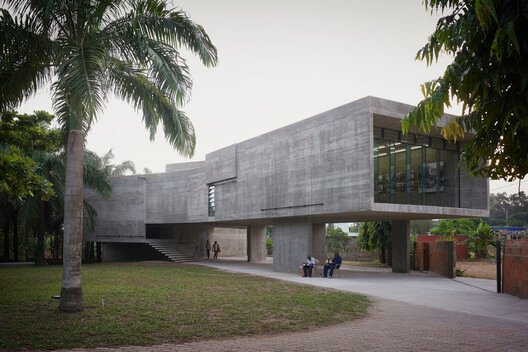
Based on the available published profile information, Juergen Strohmayer is an architecture office with a concise yet noteworthy presence, currently represented by one published project focused on cultural architecture. While the public project count is limited, that does not diminish the relevance of the studio in today’s design conversation. In fact, boutique practices frequently shape the future of architecture through highly specific, place-driven work and carefully selected partnerships.
Architecture News: Why Juergen Strohmayer Matters
In the fast-moving world of architecture news, firms with a tightly curated portfolio can stand out for quality rather than quantity. Juergen Strohmayer’s published profile points to a practice engaged in cultural architecture, a sector that often demands a sophisticated balance of public function, material expression, engineering precision, and contextual sensitivity.
For readers following luxury architecture and luxury design, this matters because cultural buildings often influence residential and interior trends. The same principles that elevate a refined gallery, pavilion, or civic destination—clean detailing, premium materiality, spatial drama, and purposeful restraint—frequently reappear in the world of the luxury home and luxury home decor.
A concise profile with focused direction
The profile information highlights a few key takeaways:
- Juergen Strohmayer is listed as an architecture office.
- The office has one published project on the platform.
- Its visible project focus is cultural architecture.
- The studio has collaborated with a range of professionals across engineering, construction, and development.
That combination suggests a practice that may be selective, collaborative, and rooted in multidisciplinary delivery—qualities increasingly valued across both public architecture and high-end private design.
Cultural Architecture and the Luxury Design Connection
One reason this entry deserves attention in architecture news is the enduring overlap between cultural architecture and the luxury sector. Cultural projects are rarely only about utility. They are also about experience, identity, atmosphere, and permanence. Those same ambitions define much of today’s luxury architecture.
Whether a project is a museum-related space, a performance venue, an exhibition environment, or another civic-cultural typology, the design approach typically prioritizes:
- Spatial storytelling that guides how visitors move and feel
- Material richness through stone, timber, metal, concrete, or crafted finishes
- Structural clarity that turns engineering into visual elegance
- Contextual design responding to climate, landscape, and local culture
- Longevity through durable, timeless construction choices
These ideas translate naturally into luxury interiors and upscale residential design. A luxury home today is not only about scale or cost; it is about atmosphere, curation, and architectural discipline. That is why even a compact practice profile focused on cultural work can resonate strongly with audiences interested in luxury decor and refined living environments.
Collaborations Behind the Work
Another interesting layer in this architecture news update is the list of professionals and companies connected to Juergen Strohmayer’s published work. The profile references collaborators including Mecraft Ventures, Bollinger & Grohmann Ingenieure, Dygate Ghana Ltd., HITL Construction Ltd., and Emmanuel Mawudzinwua.
In architecture, these partnerships matter. No serious built project is the result of design in isolation. Engineering consultants, developers, local construction teams, and specialist contributors all play essential roles in turning concepts into inhabitable reality.
Why multidisciplinary teams shape better architecture
From an editorial perspective, this is where the story becomes more meaningful. Strong collaboration often leads to:
- Better structural and technical performance
- Higher construction quality
- More efficient problem-solving on site
- Greater responsiveness to local conditions
- More ambitious architectural outcomes
For luxury architecture enthusiasts, this is especially relevant. Exceptional spaces—whether public or residential—depend on execution as much as vision. A beautifully proportioned room, a dramatic roofline, or a seamless indoor-outdoor transition only works when designers and builders are aligned from concept to completion.
What Luxury Home Readers Can Learn from Cultural Architecture
Even though the published profile is not centered on private residences, it still offers useful inspiration for luxury home, luxury home decor, and luxury design audiences. The best cultural architecture often introduces ideas that can be adapted to elevated living spaces.
Design lessons worth borrowing
- Monumental simplicity: Clean forms can feel more luxurious than visual excess.
- Material authenticity: Honest finishes age better and create deeper sensory value.
- Light as a design tool: Natural light can define mood, rhythm, and elegance.
- Purposeful circulation: How people move through space affects comfort and prestige.
- Context awareness: Great design responds to climate, site, and surrounding culture.
These principles are increasingly visible in high-end interiors, bespoke homes, and luxury decor trends that favor sculptural restraint over over-ornamentation. In that sense, following architecture news about smaller cultural practices can be surprisingly useful for homeowners, decorators, and design-conscious readers.
A Boutique Practice to Watch in Architecture News
In an era when digital platforms measure visibility through project counts and daily updates, it is easy to overlook smaller offices. Yet boutique studios often produce some of the most intelligent architecture because they operate with precision, personal authorship, and a strong sense of design identity.
Juergen Strohmayer’s currently published footprint may be modest, but the profile signals important qualities: cultural focus, built work, and collaboration with recognized technical and construction partners. For readers tracking architecture offices that could influence future luxury architecture and design conversations, that is enough reason to pay attention.
As more projects become visible, the office may offer a richer look into its architectural language, detailing approach, and broader impact. Until then, this profile stands as a reminder that meaningful architecture news is not only about scale—it is also about direction, discipline, and the potential embedded in a single published work.
Conclusion
Architecture news is most valuable when it highlights not just famous brands, but promising practices with a clear design focus. Juergen Strohmayer’s profile, centered on cultural architecture and supported by a multidisciplinary network, suggests a studio shaped by collaboration, craft, and architectural intent. For readers invested in luxury architecture, luxury decor, and sophisticated spatial design, this is a name worth keeping on the radar as its body of work evolves.