

10 Beautiful Travel Destinations (That Will Kill You)
Hannah · November 29, 2026
Luxury editor · Salvina O’Hara
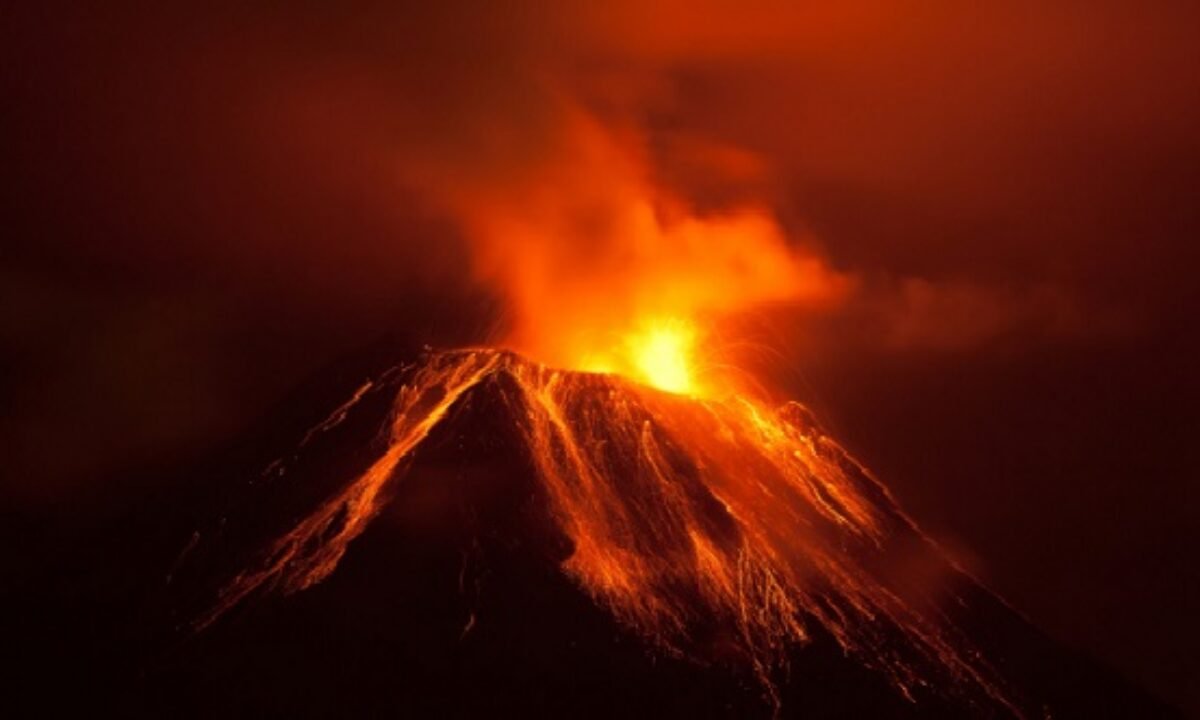
A turquoise lagoon, a volcanic island or a remote desert can look irresistible in photographs. But some of the world’s most striking destinations also carry serious risks, from extreme heat and toxic gases to criminal violence and unstable terrain. Here are 10 places where beauty is no substitute for careful planning—and where access or travel may be restricted.
10 Beautiful Destinations With Serious Risks
1. Ciudad Juárez, Mexico
Across the border from El Paso, Texas, Ciudad Juárez has long been affected by organized-crime violence. The city’s strategic location has contributed to competition between criminal groups, while kidnapping and violent crime remain concerns. Travelers should check current official travel advisories before considering a visit and avoid assuming that conditions are uniform across the region.
2. Bikini Atoll, Marshall Islands
White beaches and coral reefs give Bikini Atoll an idyllic appearance, but decades of United States nuclear testing left a lasting environmental legacy. Between 1946 and 1958, 67 nuclear devices were detonated at or near the atoll. The source material reports that contamination in soil and food sources remains a concern, and the atoll is not considered safe for permanent habitation.
3. Gruinard Island, Scotland
Known informally as Anthrax Island, Gruinard Island was used for British biological-weapons testing during the Second World War. Access was banned for decades after the experiments. A decontamination operation was completed in 1990, and the island was declared safe, but access remains restricted. Its history is a reminder that a remote landscape may conceal hazards not visible to visitors.
4. Death Valley, California
Death Valley’s salt flats, volcanic features and vast desert scenery draw visitors, but the environment can turn dangerous quickly. The valley holds the record for the highest reliably measured air temperature, 134°F (56.7°C). Extreme heat, dehydration and flash floods are significant hazards; abandoned mines and wildlife also require caution. Visitors need to plan for conditions rather than rely on the apparent accessibility of popular viewpoints.
5. North Yungas Road, Bolivia
Better known as Death Road, this mountain route once connected La Paz with Coroico. Its narrow, exposed track, steep drops, fog and heavy rain made it notorious for crashes. A modern highway has replaced much of its former traffic, but the route now attracts downhill cyclists. The change in use has not removed the risks: steep terrain and difficult conditions still demand serious preparation.
6. Anak Krakatoa, Indonesia
Anak Krakatoa, or “Child of Krakatoa,” emerged after the catastrophic 1883 eruption of Krakatoa. The active volcanic island has erupted repeatedly, and a partial flank collapse in December 2018 triggered a tsunami that killed hundreds. Ash, lava and the possibility of further collapse or tsunami activity make this an area where official exclusion zones matter. It is not an island to approach casually by boat.
7. Danakil Desert, Ethiopia and surrounding region
The Danakil region’s colorful mineral formations and volcanic landscapes look otherworldly, but the environment is exceptionally harsh. Temperatures can exceed 120°F (50°C), while volcanic gases, acidic springs and remote terrain add further hazards. The area also has security concerns, and guided travel with appropriate arrangements is essential. Independent exploration is not a safe substitute for local guidance and current advice.
8. Valley of Death, Kamchatka, Russia
Near the Kikhpinych volcano on Russia’s Kamchatka Peninsula, this low-lying valley has been associated with animal deaths and dangerous volcanic gases, including carbon dioxide and hydrogen sulfide. Some gases can be difficult to detect, and the terrain’s remoteness complicates monitoring and rescue. Its eerie appearance is no invitation to explore without specialist knowledge and reliable safety measures.
9. The Darién Gap, Colombia–Panama border
The Darién Gap is a roadless jungle region that interrupts the Pan-American Highway. Dense vegetation, swollen rivers, disease and difficult terrain make crossing arduous. Criminal activity and risks to migrants and other travelers add to the danger. The existence of guided expeditions does not make the route safe; travel plans should take account of official advisories and the significant risks reported in the area.
10. Skeleton Coast, Namibia
Namibia’s Skeleton Coast combines desert isolation with a rough Atlantic shoreline. Fog, currents and hidden sandbars have contributed to numerous shipwrecks, and survivors historically faced the additional danger of reaching help across arid land. Wildlife and limited access add to the challenges. Its stark scenery is compelling, but remote stretches require careful planning and respect for local access rules.
Beauty Should Never Outweigh Safety
These destinations differ widely, but they share one lesson: a dramatic view does not reveal every danger. Some risks are environmental, such as heat, volcanic gases and unstable coastlines; others arise from crime, contamination or isolation. Before visiting any remote or hazardous location, check current official guidance, follow restrictions, use qualified local operators where appropriate and avoid treating an adventure listing as a guarantee of safety. The best trip is one that ends with the traveler returning safely.