A collection makes more sense once you know who cut the coat, why the shoulder sits where it does and how the garment moves when someone walks. Our designer fashion houses coverage follows those decisions from the workroom to the shop floor. In fashion weeks and runway shows, look for the silhouette that recurs across a collection, then look again at the shoes. A change of heel can alter the proportions of an entire outfit.
For a closer look at how a piece is made, explore couture ateliers and craftsmanship. A hand-finished seam, a lined pocket or a carefully matched print can tell you more about workmanship than a label alone. Our designer bags and accessories section applies the same curiosity to the objects that get handled every day. How does the clasp open with one hand? Where will the leather acquire a patina?
The dressing table deserves the same attention as the wardrobe. Browse beauty and skincare for textures, finishes and the rituals surrounding them, or turn to perfume and fragrance for the quieter business of choosing a scent. Leave time between a first impression and a final decision. A fragrance changes on the skin long after the bottle goes back on the shelf.
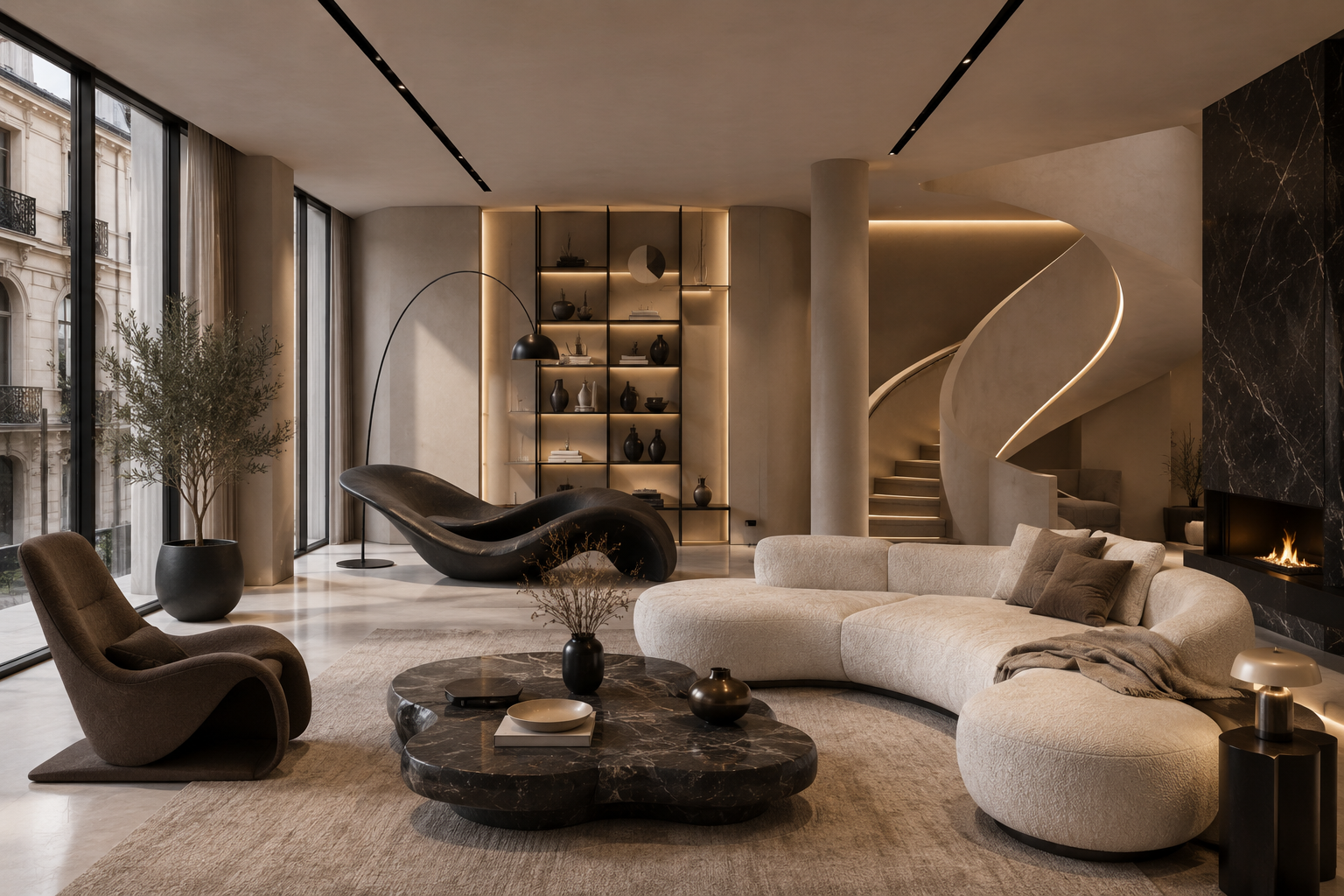
A home reveals itself in the route from the front door to the kitchen, the chair pulled towards a window and the places where people put things down. In interior design and decoration, we look at rooms through the eyes of someone who might live in them. Furniture scale, sightlines and the changing light often explain why a modest room feels generous. Our celebrity homes and interiors coverage brings that same eye to houses with famous owners. Beyond the name on the deed, which ideas would work in an ordinary sitting room?
For readers planning a change, home renovation features is a place to consider what to keep before deciding what to replace. An existing staircase or worn stone threshold can give a project its starting point. In kitchen design, the distance between preparation space, sink and table matters as much as the finish on a cabinet door.
Outside, garden design and planting follows the relationship between ground, shelter and the view from indoors. Explore country houses and estates for a longer perspective on how buildings settle into a landscape, how gardens frame an approach and how a house can accommodate successive generations of daily life.
Stand across the street from a building before you step inside. The entrance, the pavement and the patch of shade beside the door already say something about whom the building serves. Our architecture features consider buildings at both scales, from their place in a city to the details a visitor can touch. In urban design and public spaces, the subjects are the spaces between buildings. A crossing, a bench and a sheltered square can change the way a neighbourhood works.
Making begins with a choice of substance. Explore architectural materials to follow the implications of timber, stone, glass or reused components. Then turn to furniture and collectible design to see how similar questions play out at the scale of a table or a handle. The joint beneath a chair can be as revealing as its profile.
Our lighting design section considers both fittings and the light they cast. A beautiful lamp deserves to be seen after sunset, when reflection and shadow become part of the room. For another way into the archive, design awards and architecture prizes follows the projects juries choose and the design problems those projects attempt to solve.
Start planning a journey with the part you want to remember. It might be the first walk through an unfamiliar neighbourhood, a meal reached by boat or the view from a train before everyone else wakes up. In destination guides, place comes first. Our hotels and luxury resorts coverage looks more closely at the stay itself, from the setting and architecture to the practical difference between being in the centre of town and an hour beyond it.
For travellers who build a trip around one particular day, distinctive travel experiences brings together outings, itineraries and reasons to linger. Allow room either side of an excursion. An unhurried morning or an evening without a reservation can be as valuable as an ambitious schedule.
The journey has its own pleasures and constraints. Explore aviation and air travel for the flying side of travel, or yachting and life at sea for a perspective shaped by the coastline, the harbour and the weather. Our travel magazines and writing section is devoted to the printed and editorial side of discovery, where a photograph, a map or a writer’s account can put a place on a reader’s list years before the trip itself.
A memorable meal begins well before the first plate arrives. The room, the welcome and the pace between courses shape how the food tastes in memory. Our restaurant coverage considers the dining room alongside the menu. The most telling question is often a simple one. Which dish would you cross town to eat again? In chef profiles and kitchens, the focus shifts to the people making those choices, from the ingredients they seek out to the preparations they return to season after season.
Browse Michelin Guide restaurant coverage for stories connected to the guide and its selections. When planning a visit, check the restaurant’s current menu, opening days and reservation arrangements. A long tasting menu and a short lunch can offer quite different ways into the same kitchen.
At home, tableware and the art of setting a table explores the objects that carry a meal, from the lip of a glass to the shallow curve of a bowl. wine and vineyard stories follows the connection between a bottle and its place of origin. For the final pour, cocktails and spirits turns to the balance between aroma, dilution and temperature that gives a well-made drink its character.
A gallery visit often turns on a single encounter. One small painting or an unexpected piece of sound can stay in the mind after the grander rooms have faded. In museum features, we consider how collections are housed and how a visitor finds a way through them. art exhibitions and biennales offers a different starting point, following the temporary conversations created when particular works share a room for a limited time.
Our arts and cultural features section draws connections across disciplines. A costume can lead to a story about theatre, and the design of a concert hall can be an invitation to listen. For a closer look at moving images, film and cinema turns to the relationship between a screen, a setting and the audience watching. music and performance gives space to the live encounter as well as the work being performed.
Reading offers its own itinerary. Browse books and literary culture for a slower route into the people, places and ideas that shape the wider journal. When choosing what to see or read next, follow a detail that caught your attention rather than trying to take in an entire collection, programme or bookshelf at once.
The pieces people keep longest often have a particular sound, weight or feel in the hand. A winding crown turns with a familiar resistance. A clasp closes in a way its owner could recognise with eyes shut. Our watches and horology section looks at the relationship between a movement, a dial and the person who wears it. In fine jewellery and craftsmanship, attention shifts to setting, proportion and the way a piece catches the light in motion.
Some collections are built around machines made to travel. Explore collector cars and motoring for the dialogue between engineering and bodywork, or motorcycle design and collecting for a closer look at machines where much of the engineering remains in plain sight. A useful starting point for either is to ask which details belong to the original design and which reflect the choices of a later owner.
Our cigar accessories and humidors section takes in the objects and storage traditions associated with that field. collectibles and memorabilia widens the lens to pieces whose interest lies in provenance, condition or a personal connection. A documented repair or a well-kept receipt can add a chapter to an object’s history that its appearance alone could never convey.
Stand across the street from a building before you step inside. The entrance, the pavement and the patch of shade beside the door already say something about whom the building serves. Our architecture features consider buildings at both scales, from their place in a city to the details a visitor can touch. In urban design and public spaces, the subjects are the spaces between buildings. A crossing, a bench and a sheltered square can change the way a neighbourhood works.
Making begins with a choice of substance. Explore architectural materials to follow the implications of timber, stone, glass or reused components. Then turn to furniture and collectible design to see how similar questions play out at the scale of a table or a handle. The joint beneath a chair can be as revealing as its profile.
Our lighting design section considers both fittings and the light they cast. A beautiful lamp deserves to be seen after sunset, when reflection and shadow become part of the room. For another way into the archive, design awards and architecture prizes follows the projects juries choose and the design problems those projects attempt to solve.