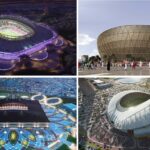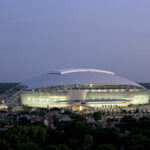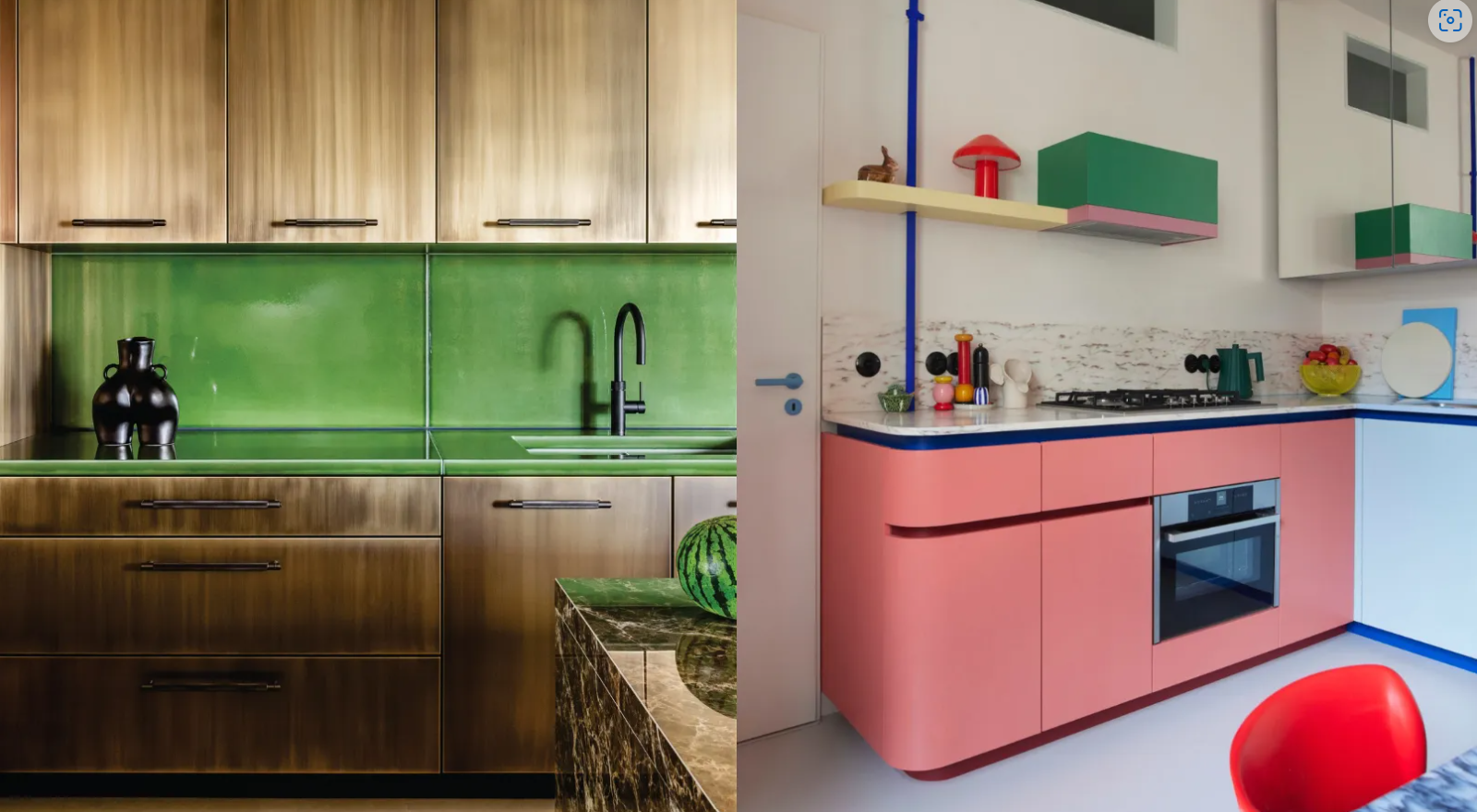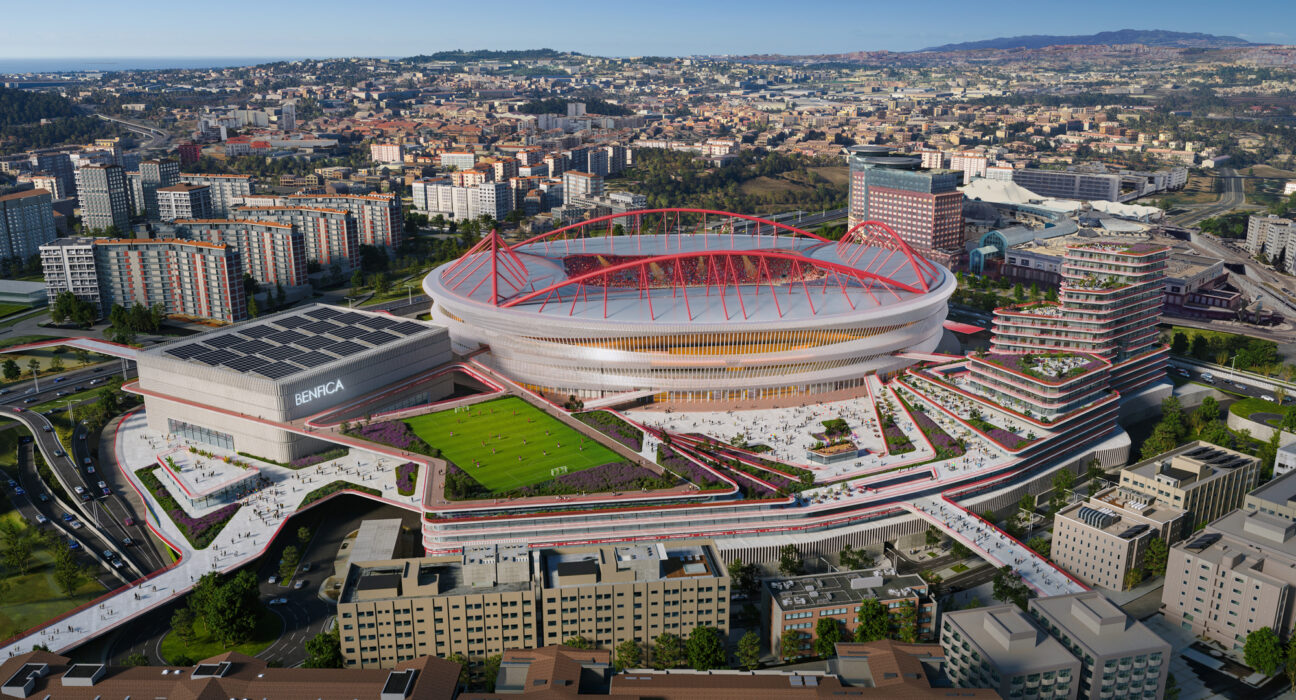
Architecture news rarely captures the global imagination quite like the FIFA World Cup. More than a sporting spectacle, the tournament has become a showcase for landmark stadium design, urban regeneration, and the kind of hospitality environments that increasingly influence luxury architecture, luxury design, and even high-end residential living.
As attention turns from the 2026 World Cup to the 2030 edition, the conversation is no longer only about capacity, engineering, or national pride. It is about experience: how architecture frames movement, comfort, identity, and prestige. For readers interested in luxury spaces, the World Cup offers an unexpected but powerful lens into the future of elite design.
Architecture News and the World Cup’s Expanding Design Legacy
Every World Cup leaves behind more than memories. It creates a built legacy that can redefine entire cities. In recent years, architecture news surrounding the tournament has shifted toward sustainability, adaptive reuse, premium hospitality zones, and the integration of venues into wider urban ecosystems.
The 2026 World Cup, hosted across North America, represents a distinctive model. Rather than relying primarily on newly built arenas, many host cities are using existing stadiums and upgrading them for a new era of global events. This strategy reflects a maturing architectural mindset:
- Invest in modernization instead of unnecessary replacement
- Improve spectator comfort through technology and circulation design
- Enhance premium suites, lounges, and hospitality environments
- Connect venues more effectively to transport and surrounding districts
- Reduce environmental impact through reuse and retrofit
That approach matters well beyond sports. In the world of luxury home decor and luxury home planning, adaptive design is increasingly seen as a mark of sophistication. The best spaces are not only beautiful; they are intelligently reimagined.
What 2026 Reveals About Luxury Architecture
The stadiums associated with the 2026 tournament reflect a broader evolution in architecture news: large venues are becoming more refined, layered, and guest-centered. While these buildings must serve tens of thousands of fans, their most influential ideas often emerge in smaller, highly curated spaces within them.
Premium Hospitality as a Design Driver
One of the strongest links between World Cup infrastructure and luxury design is the rise of premium hospitality architecture. VIP lounges, skyboxes, members’ clubs, and private arrival sequences are no longer afterthoughts. They are central to the venue concept.
These areas often feature:
- High-end material palettes such as stone, brushed metal, warm timber, and textured fabrics
- Layered lighting that balances drama with comfort
- Private circulation routes for exclusivity and efficiency
- Curated interior design that feels closer to a luxury hotel than a stadium concourse
- Panoramic sightlines that turn architecture into part of the entertainment
This design language resonates directly with upscale residential trends. Homeowners and designers increasingly seek spaces that deliver privacy, seamless flow, and elevated social experience—qualities perfected in elite hospitality settings.
Retrofitting With Prestige
The 2026 model also demonstrates that retrofit architecture can still feel aspirational. Updating an existing structure requires discipline: preserving what works, transforming what does not, and introducing contemporary systems without losing identity. That same philosophy is reshaping high-end homes, especially heritage properties and older estates being modernized for contemporary living.
In that sense, architecture news from the World Cup has relevance far beyond the stadium bowl. It points to a future where prestige comes from thoughtful intervention, not simply new construction.
Looking Ahead to 2030: A More Symbolic World Cup Architecture
If 2026 highlights infrastructure strategy, 2030 is likely to emphasize symbolism, memory, and international narrative. The centenary World Cup carries unusual cultural weight, and architecture will be expected to reflect that significance.
For designers, this means host venues and surrounding public spaces may increasingly balance three goals:
- Celebration of heritage through contextual materials, local references, and civic identity
- Global presentation through broadcast-friendly iconography and recognizable silhouettes
- Future resilience through sustainability, flexibility, and long-term public value
This is exactly why architecture news around major tournaments matters to the luxury sector. The design solutions tested on the world stage often find their way into boutique hotels, branded residences, penthouses, and destination homes.
From Monumental Scale to Residential Inspiration
Even though stadiums operate at a massive scale, their design lessons can be translated into domestic settings. Luxury residences increasingly borrow from civic and hospitality architecture in subtle ways:
- Grand arrival experiences with carefully framed approaches
- Indoor-outdoor transitions that maximize views and movement
- Entertaining spaces designed around spectacle and comfort
- Integrated technology that remains visually discreet
- Material choices that communicate permanence and craftsmanship
In other words, the World Cup is not just a sports story. It is a case study in experiential design.
Why This Matters for Luxury Design and Luxury Home Trends
For readers tracking architecture news through the lens of luxury living, FIFA venues offer several important signals. First, experience has overtaken pure monumentality. Second, flexibility is now a luxury in itself. Third, architectural prestige is increasingly tied to sustainability, context, and long-term relevance.
These principles are visible across the luxury market:
- Luxury architecture favors timeless forms supported by advanced building systems
- Luxury decor leans into tactile richness and restrained drama
- Luxury home decor prioritizes bespoke finishes and layered ambiance
- Luxury home planning centers on flow, privacy, wellness, and entertainment
- Luxury design increasingly merges hospitality sophistication with residential intimacy
The World Cup amplifies all of these movements because it compresses political ambition, public image, technology, and guest experience into a single architectural platform.
The Takeaway From Today’s Architecture News
The most compelling architecture news tied to the FIFA World Cup is not simply about where matches will be played. It is about how major venues influence the future of design at every level, from urban districts to ultra-private interiors. The 2026 tournament highlights the intelligence of upgrading and refining existing assets, while 2030 promises a deeper focus on heritage, symbolism, and global design identity.
For luxury-minded readers, the lesson is clear: the best architecture—whether a stadium, penthouse, or estate—creates a complete experience. It choreographs arrival, frames views, supports comfort, and leaves a lasting emotional impression. As World Cup design evolves, expect its ideas to continue shaping the future of luxury architecture and the next chapter of architecture news.