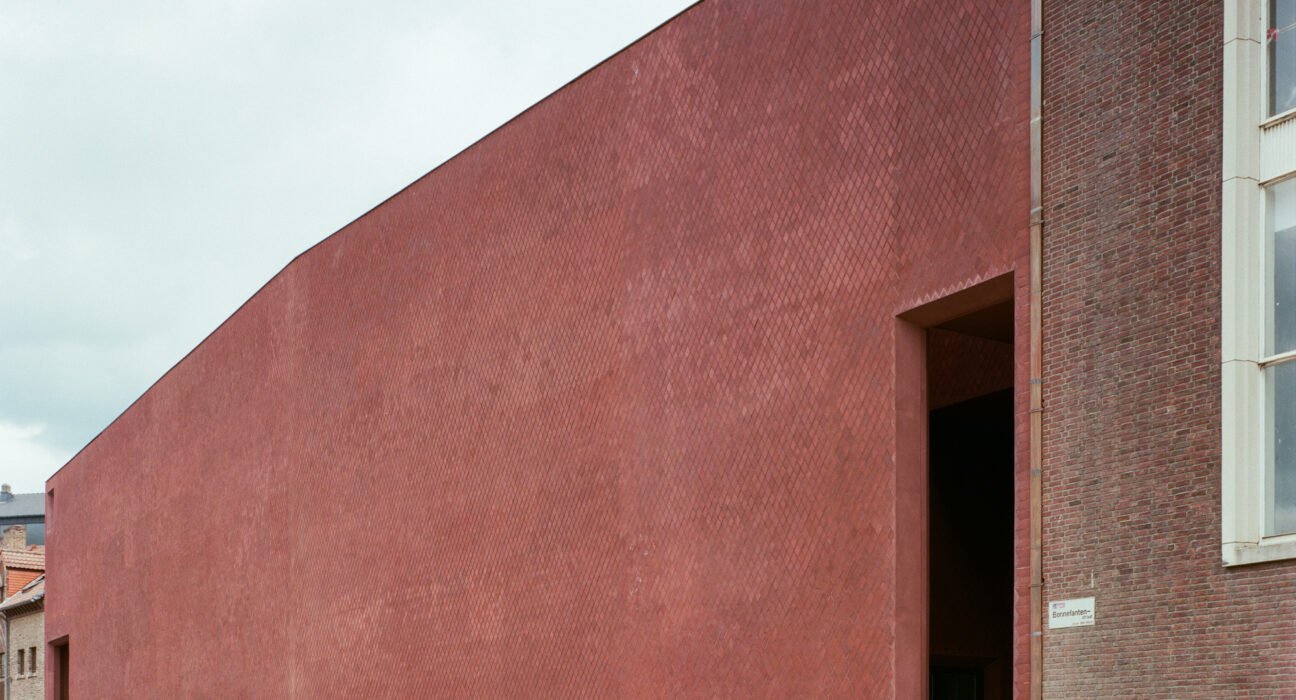
Architecture news rarely captures the quiet power of a building as effectively as Z33 House for Contemporary Art in Hasselt, Belgium. Designed by francesca torzo architetto, this 2019 cultural project shows how contemporary design can feel deeply rooted in history while delivering a refined spatial experience worthy of the luxury architecture conversation.
Located within the historic beguinage of Hasselt, Z33 is more than a gallery extension. It is a carefully composed architectural intervention that respects the site’s enclosed gardens, irregular brick surroundings, and contemplative atmosphere. With an area of 4,664 square meters, the project demonstrates how modern cultural architecture can serve both the city and the intimate rhythms of a heritage setting.
Architecture News Spotlight: A Contemporary Landmark in a Historic Beguinage
One of the reasons this project stands out in architecture news is its unusual context. The Hasselt beguinage reads almost like an island inside the city, protected by walls and a patchwork of brick structures. Rather than competing with that character, the new house for art extends it.
The building belongs to a quiet urban enclave where sound, scale, and materiality matter as much as form. In a district defined by stillness, francesca torzo architetto developed an architecture that feels calm, tactile, and intentional. This is especially relevant for readers interested in luxury design and luxury home decor influences, because the same principles that elevate premium interiors—texture, proportion, and atmosphere—also shape this public building.
A design approach guided by context
Instead of introducing a flashy object, the architect appears to have embraced continuity. The project speaks the language of masonry, enclosure, and procession. That makes it a powerful example of how contemporary architecture can be luxurious without being ostentatious.
Key contextual strengths include:
- Respect for the historic urban grain of Hasselt’s beguinage
- A restrained material palette centered on brick and light
- A spatial mood aligned with reflection, art, and quiet movement
- A strong dialogue between old structures and the new intervention
Why Z33 Matters in Luxury Architecture and Design
For those following architecture news through the lens of high-end living and curated environments, Z33 offers important lessons. Luxury architecture today is increasingly defined by emotional quality rather than excess. Buildings that age well, frame light beautifully, and create memorable transitions often carry more lasting value than purely iconic forms.
Z33 embodies that shift. Its architectural richness likely comes from subtle detailing, carefully measured circulation, and the sensory depth of materials. These are the same qualities prized in luxury homes, bespoke interiors, and elevated decor schemes.
Luxury lessons designers can take from Z33
- Material authenticity matters: Brick is not used as decoration alone; it appears integral to the building’s identity.
- Atmosphere is a design asset: Quietness, shadow, and enclosure can feel as premium as marble or rare finishes.
- Context creates value: The relationship between architecture and place is central to timeless design.
- Restraint can be powerful: Understated architecture often leaves a deeper impression than spectacle.
This is why the project resonates beyond the museum world. It belongs in broader conversations about luxury home, luxury decor, and sophisticated spatial planning.
Spatial Experience, Materials, and Craft
In the best architecture news, the most compelling projects are not just visually striking in photographs—they unfold through movement. Z33 appears to be one of those buildings. The enclosed garden setting, layered masonry, and measured openings likely create a sequence of compression and release, guiding visitors from the city into a more contemplative world.
The listed manufacturers and consultants suggest a project where performance and craftsmanship were taken seriously. From masonry and façade systems to lighting and structural engineering, every component contributes to the final experience. Stability engineering by Conzett Bronzini Gartmann AG and engineering services by Luca Pietro Gattoni indicate the level of technical precision behind the architecture.
The role of brick in the project’s identity
Brick is especially significant here. In Belgium, masonry carries cultural and urban meaning, and at Z33 it helps connect the new work to the surrounding ensemble. Rather than using the material nostalgically, the project seems to reinterpret it with a contemporary sensibility—an approach often seen in enduring luxury architecture.
That balance between tradition and innovation is what gives the building depth. It feels crafted, not generic; site-specific, not interchangeable.
What Z33 Reveals About the Future of Cultural Architecture
Another reason Z33 deserves attention in architecture news is that it reflects a larger trend in museum and gallery design. Cultural buildings are moving away from isolated monumentality and toward embedded, neighborhood-aware architecture. The goal is no longer just to house art, but to create environments that enrich daily urban life.
Z33 does this by embracing the qualities already present in Hasselt:
- Historic continuity
- Human-scaled circulation
- A sense of refuge from the city center
- Material coherence with the surrounding buildings
For architects, interior designers, and luxury homeowners, the takeaway is clear: exceptional design begins with listening to place. Whether designing a gallery, a boutique residence, or a luxury home decor scheme, the most memorable results come from depth, not decoration alone.
Conclusion: Why This Project Deserves a Place in Architecture News
Z33 House for Contemporary Art is the kind of project that reminds us why architecture news matters. It highlights how a new building can honor history, elevate contemporary culture, and deliver a quietly luxurious experience without resorting to visual noise.
In Hasselt, francesca torzo architetto has created more than a gallery. The project stands as a lesson in contextual intelligence, tactile beauty, and architectural restraint—qualities that increasingly define the future of luxury architecture, luxury design, and even the way we think about the luxury home. If there is one clear takeaway from this piece of architecture news, it is that true sophistication is often found in calm, craft, and connection to place.