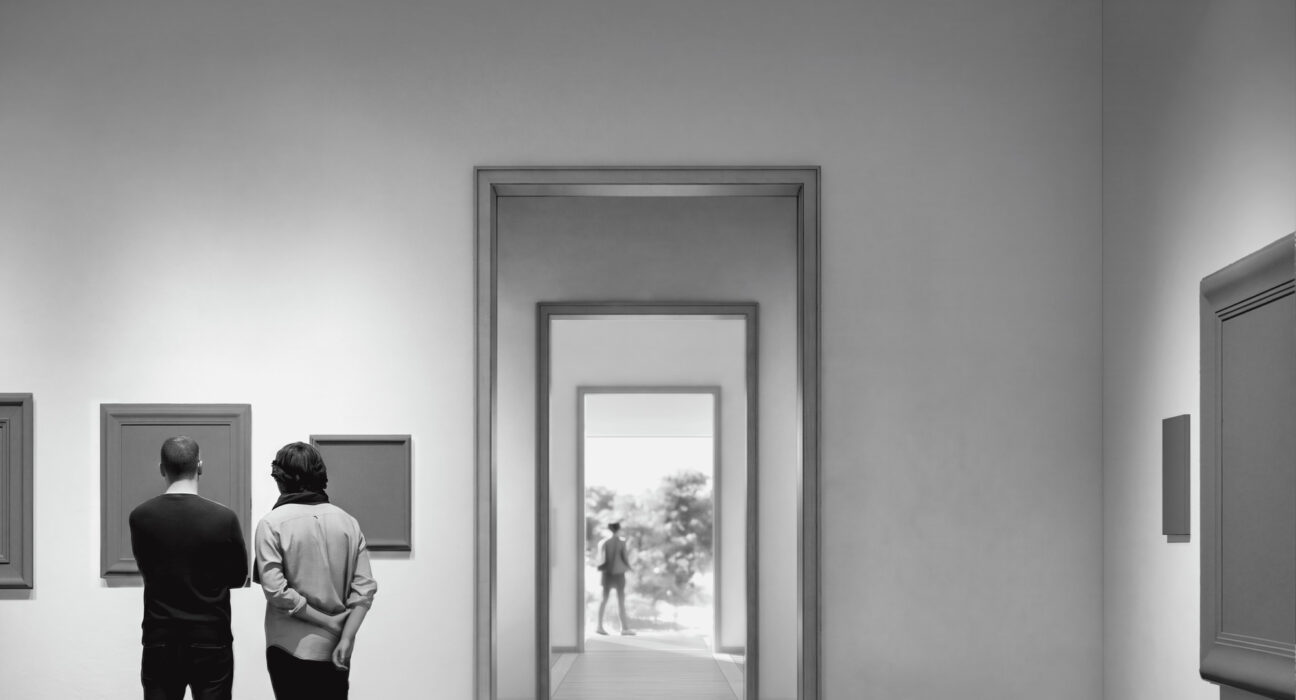
Architecture news rarely captures the balance between cultural ambition and quiet restraint as effectively as the newly revealed Clark Art Institute extension in Massachusetts. Designed by Selldorf Architects, the proposal points to a sophisticated future for one of America’s most respected art destinations, blending museum-grade functionality with the calm, elevated sensibility that defines luxury architecture today.
The Clark Art Institute has long been admired for its setting, collection, and architectural legacy. This latest design direction suggests an expansion that is not simply about adding square footage, but about strengthening the visitor experience, supporting curatorial needs, and deepening the relationship between art, landscape, and built form. For readers tracking luxury design, cultural development, and high-end architectural thinking, this is architecture news worth watching closely.
Architecture News: What the Clark Art Institute Extension Signals
In the world of museums, extensions are often judged by more than aesthetics. They must answer practical demands, respect institutional identity, and enhance how people move through and engage with spaces. The Selldorf Architects concept for the Clark Art Institute extension appears to do exactly that, reflecting a measured, highly contextual approach rather than a spectacle-driven one.
This matters because contemporary architecture news increasingly favors projects that deliver timeless quality over short-lived visual trends. Selldorf Architects has built a reputation around that principle, producing work that feels elegant, disciplined, and deeply attuned to art. For a destination like the Clark, that design philosophy is especially fitting.
The extension is significant for several reasons:
- It reinforces the Clark’s role as a leading cultural campus in New England.
- It demonstrates how museum expansion can remain understated yet architecturally meaningful.
- It aligns with current luxury architecture values, where refinement, material integrity, and experience take priority.
- It offers a case study in how heritage institutions can evolve without losing character.
Selldorf Architects and the Rise of Quiet Luxury in Cultural Design
Selldorf Architects is often associated with a rare kind of design confidence: the ability to create spaces that feel prestigious without becoming overbearing. In luxury architecture and luxury home decor alike, the broader design world has shifted toward a “quiet luxury” ethos, and that sensibility translates powerfully in museum settings.
Rather than relying on dramatic formal gestures, this approach tends to emphasize:
- Careful proportions
- Natural light
- High-quality, tactile materials
- Seamless transitions between old and new spaces
- Calm interiors that support art, objects, and atmosphere
That is why this architecture news resonates beyond the institutional design sector. The same principles that elevate a museum extension also influence luxury homes, luxury decor, and luxury interiors. Readers interested in luxury design can look at projects like this as a blueprint for enduring elegance: spaces that are sophisticated, purposeful, and never visually noisy.
Why the Design Approach Matters
An extension to an acclaimed art campus must preserve visual coherence while introducing something genuinely useful. If handled poorly, a new addition can feel disconnected or compete with the architecture around it. If handled well, it can make the entire institution feel more complete.
Based on the project reveal, the value of this design lies in its restraint. That restraint is not a limitation; it is a mark of confidence. In premium residential design, the same principle often defines the most successful luxury home projects, where clarity and craftsmanship ultimately feel more exclusive than excess.
The Massachusetts Setting and the Power of Context
One reason this architecture news stands out is the location. Massachusetts offers a rich architectural context, where academic, cultural, and landscape traditions carry real weight. The Clark Art Institute’s setting is central to its identity, so any extension must respond not only to the existing buildings but also to the surrounding environment.
Context-sensitive design has become a defining theme across luxury architecture. Instead of imposing a generic signature look, leading firms are increasingly creating site-specific solutions that feel rooted in place. For the Clark, that likely means a design language that values scale, openness, and a thoughtful dialogue with the landscape.
In practical terms, contextual success often comes down to:
- How the building sits within the campus
- How visitors approach and enter the new spaces
- How interior galleries receive daylight or controlled illumination
- How material choices connect to the institution’s existing palette
- How circulation supports both public experience and operational efficiency
These are the details that separate ordinary expansion from truly memorable cultural architecture.
What This Means for Luxury Architecture and Design Trends
The influence of major museum projects often extends far beyond public institutions. Today’s architecture news frequently shapes conversations in luxury home, luxury decor, and luxury design circles because the same ideas migrate across typologies. A museum extension by a firm like Selldorf Architects can inspire everything from gallery-like residential interiors to minimalist material palettes in high-end homes.
Several broader trends can be traced through this project:
1. Experience-Driven Spaces
Luxury is increasingly defined by how a space feels, not just how it looks. In both museums and luxury homes, fluid movement, serenity, and visual balance have become essential.
2. Architectural Restraint
Understated design is now a marker of sophistication. Clean lines, subtle detailing, and carefully edited forms often carry more prestige than overly expressive architecture.
3. Art-Centered Interiors
As collectors and design-forward homeowners continue to curate spaces around art, museum architecture offers valuable lessons in backdrop, lighting, and spatial composition.
4. Lasting Material Quality
Whether in a cultural institution or a luxury home decor scheme, premium materials and impeccable detailing create a sense of permanence that trend-based design cannot match.
That is part of what makes this architecture news relevant to a wider audience. It is not only about a museum in Massachusetts; it is about where elevated design is heading.
A Project to Watch in Contemporary Architecture News
The Clark Art Institute extension reflects a larger shift in contemporary practice: architecture that values precision, atmosphere, and cultural continuity. Selldorf Architects appears poised to deliver an addition that respects the institution’s identity while preparing it for the future, an outcome that many expansions aspire to but few achieve gracefully.
For followers of architecture news, the importance of this project lies in its clarity of purpose. It suggests that the next chapter of luxury architecture will be shaped less by noise and more by nuance. In a design climate where authenticity and refinement matter more than ever, the Clark’s expansion is a compelling example of how thoughtful architecture can elevate both place and experience.
As more details emerge, this architecture news story will remain one to follow—not only for museum enthusiasts, but for anyone interested in luxury design, luxury home inspiration, and the enduring power of well-crafted spaces.