Architecture news rarely captures the imagination quite like a project that blends cultural ambition, material innovation, and regional identity. The newly unveiled plans for the Sharjah Design Centre’s rammed earth building, expected to open in 2029, signal a major moment for luxury architecture in the Middle East and a compelling step forward for sustainable design.
More than a new cultural venue, the future Sharjah Design Centre appears poised to become a symbol of how contemporary architecture can draw from ancient building methods while speaking to modern values. For readers following luxury design, high-end interiors, and the future of refined living environments, this is one of the most intriguing developments in recent architecture news.
Architecture News: Why the Sharjah Design Centre Matters
The announcement of a rammed earth building for the Sharjah Design Centre stands out because it challenges the idea that luxury architecture must rely on glossy, high-tech materials alone. Instead, this project points toward a more tactile, grounded, and environmentally responsive vision of prestige.
Sharjah has steadily built a reputation as one of the Gulf region’s most intellectually ambitious cultural hubs. A new design centre housed in a rammed earth structure aligns with that trajectory, offering a built statement about design research, regional craft, and material experimentation. In the context of architecture news, it also reinforces a growing shift toward architecture that is both beautiful and deeply place-specific.
Key reasons this project is attracting attention include:
- Material significance: Rammed earth is durable, expressive, and historically rooted.
- Cultural relevance: The building reflects regional climate wisdom and local architectural heritage.
- Luxury appeal: Natural textures and monumental forms increasingly define high-end design.
- Sustainability potential: Earth-based construction can reduce reliance on energy-intensive materials.
The Return of Rammed Earth in Luxury Architecture
Rammed earth has been used for centuries across different climates and civilizations, but it is experiencing a remarkable resurgence in today’s design world. In current architecture news, natural materials are no longer treated as rustic alternatives; they are becoming central to sophisticated, future-facing design strategies.
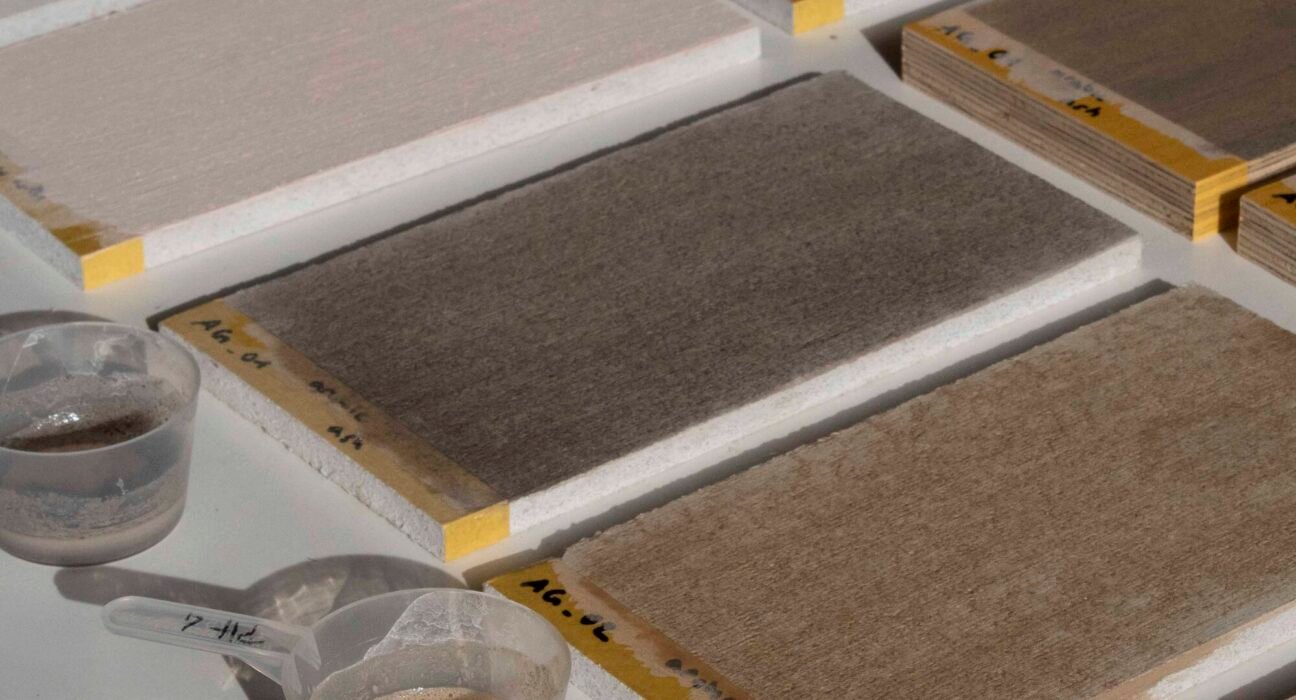
For luxury architecture, rammed earth offers several distinct advantages. Visually, it creates layered surfaces with warmth, depth, and subtle color variation. Spatially, it can produce serene, monumental interiors that feel both grounded and sculptural. Environmentally, it supports a broader interest in lower-impact construction and passive thermal performance.
This is especially relevant in hot climates such as the UAE, where thermal mass and climate-responsive design can play an important role in long-term building performance. While the final technical details of the Sharjah Design Centre may continue to evolve, the decision to foreground rammed earth immediately positions the project within a wider conversation about resilient and materially honest architecture.
Why designers and homeowners are watching closely
Even for audiences outside the institutional design world, this project has relevance. Trends in luxury home design often begin with cultural and architectural landmarks before filtering into residential interiors, finishes, and landscaping. The aesthetic language associated with rammed earth can inspire:
- Textured plaster walls and mineral finishes
- Earth-toned palettes in luxury home decor
- Organic, monolithic furnishings
- Indoor-outdoor spaces that feel calm and elemental
- More sustainable material choices in custom homes
What This Project Signals for Luxury Design in the Region
In the world of architecture news, major design institutions often serve as indicators of larger market and cultural shifts. The Sharjah Design Centre’s future building suggests that luxury design in the region is moving beyond imported visual trends and toward a more rooted, climate-aware sophistication.
That matters for developers, collectors, architects, and discerning homeowners alike. As the luxury market evolves, exclusivity is increasingly tied not just to cost or rarity, but to authenticity, craftsmanship, and environmental intelligence. A rammed earth cultural building in Sharjah embodies all three.
This approach also complements several high-end design movements gaining momentum today:
- Quiet luxury in architecture — spaces defined by restraint, material depth, and timelessness.
- Biophilic design — interiors and buildings that foster a stronger connection to nature.
- Regional modernism — contemporary forms informed by local climate, heritage, and craft traditions.
- Wellness-oriented environments — calm, tactile spaces that promote comfort and sensory balance.
For those interested in luxury home, luxury decor, and luxury home decor, the building’s design direction reinforces a broader preference for spaces that feel curated yet elemental. Expect to see more premium residences borrowing from this vocabulary through raw finishes, sculpted courtyards, shaded transitions, and natural material palettes.
A New Cultural Landmark with Long-Term Influence
The projected 2029 opening gives the Sharjah Design Centre time to refine what could become one of the region’s most discussed cultural buildings. In architecture news, projects with a long runway often gain influence well before completion, shaping discourse among architects, designers, and property tastemakers.
If executed successfully, the centre could become significant on multiple levels:
- As a destination for design dialogue and exhibitions
- As an example of sustainable building in an arid environment
- As a reference point for contemporary earth architecture
- As inspiration for luxury residential and hospitality projects
It may also help broaden public understanding of what contemporary prestige looks like. Rather than polished excess, the future of luxury architecture may be found in buildings that are intelligent, contextual, and materially memorable.
The design lesson for luxury homes
Homeowners and interior designers can already draw practical inspiration from the project’s direction. A luxury home does not need to imitate a public institution, but it can adopt the same principles: permanence, sensory richness, and a strong connection to place. That can mean prioritizing handcrafted materials, embracing muted organic tones, and designing rooms that respond naturally to light and climate.
These ideas increasingly define premium living. In that sense, this development is not just notable architecture news; it is a preview of where luxury home design may be heading over the next decade.
Conclusion
The Sharjah Design Centre’s planned rammed earth building is more than a future opening date on the cultural calendar. It is a meaningful piece of architecture news that highlights the growing intersection of sustainability, regional identity, and elevated design. As the project advances toward 2029, it has the potential to influence everything from public architecture to luxury home decor, proving that the most exciting form of modern luxury may be one that looks to the earth itself for inspiration.