Architecture news rarely captures both humanitarian urgency and high-end design ambition in the same breath, but this week’s developments do exactly that. From UN-Habitat’s renewed focus on housing initiatives to sauerbruch hutton’s timber-hybrid building in Berlin, the conversation shows how the future of luxury architecture is increasingly tied to sustainability, livability, and smarter urban development.
For readers interested in luxury architecture, luxury home design, and elevated living environments, these stories matter beyond the headlines. They point to a wider shift: today’s most compelling buildings are not defined by excess alone, but by performance, environmental responsibility, and a deeper understanding of how people live.
Architecture News That Reflects a Changing Definition of Luxury
The latest architecture news suggests that prestige in the built environment is being redefined. In the past, luxury design often centered on rare materials, dramatic scale, or visual spectacle. Those elements still matter, but the modern benchmark now includes resilient housing, low-carbon construction, and adaptable urban planning.
UN-Habitat’s emphasis on housing initiatives underscores a global design priority: creating better homes and communities at scale. While this may sound separate from the world of luxury home decor or luxury residences, the connection is increasingly clear. Innovations developed for broader housing challenges often influence premium residential design, especially in areas such as:
- Energy efficiency and passive performance
- Flexible interior layouts
- Sustainable material selection
- Health-focused ventilation and daylighting
- Community-oriented urban integration
In that sense, this wave of architecture news is relevant to anyone tracking where luxury living is heading next.
UN-Habitat’s Housing Initiatives and Why They Matter
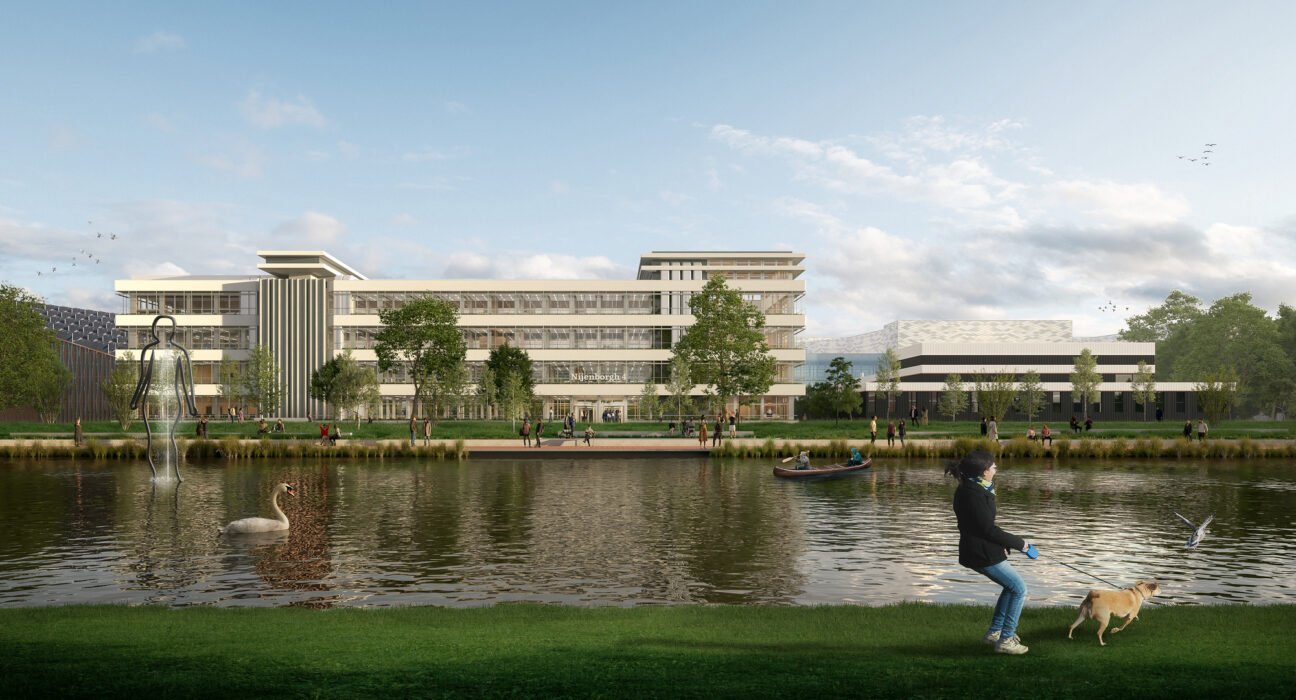
UN-Habitat continues to draw attention to one of the defining architectural issues of our time: housing. As cities grow and affordability pressures intensify, the organization’s initiatives highlight the need for housing that is not only accessible, but also dignified, durable, and environmentally sound.
For the luxury sector, this is more than a policy discussion. It is a design lesson. Many of the best ideas shaping premium homes today come from broader architectural problem-solving, including smarter use of space, better building envelopes, and stronger connections between private living and public infrastructure.
Key ideas influencing luxury residential design
Several themes emerging from global housing conversations are now appearing in high-end homes and developments:
- Sustainability as a status marker
Eco-conscious design is no longer niche. In luxury architecture, low-impact construction, renewable systems, and responsible sourcing have become signs of sophistication. - Wellness-driven interiors
Natural light, thermal comfort, acoustics, and indoor air quality now rank alongside aesthetics in luxury home planning. - Efficient spatial planning
Thoughtful layouts that eliminate waste and support multifunctional living are increasingly valued, even in expansive homes. - Long-term resilience
Durable, adaptable buildings with lower operating costs are seen as both desirable and future-proof.
This broader lens is one reason architecture news about housing initiatives resonates well beyond the public sector.
Berlin’s Timber-Hybrid Building Points to the Future of Luxury Architecture
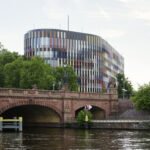
The completion of a timber-hybrid building in Berlin by sauerbruch hutton adds another compelling chapter to this week’s architecture news. Timber-hybrid construction has become one of the most closely watched strategies in contemporary architecture because it combines the warmth and lower embodied carbon of timber with the structural advantages of other materials, often including steel or concrete.
Berlin, long known for experimental design and progressive urban thinking, provides an ideal backdrop for this kind of project. In luxury architecture, timber-hybrid buildings offer a particularly appealing mix of qualities:
- A refined natural material palette
- Strong sustainability credentials
- A tactile, warm interior atmosphere
- Contemporary structural expression
- Alignment with ESG and low-carbon development goals
Rather than treating sustainability as a visual compromise, projects like this demonstrate how green building can enhance elegance. Exposed wood, carefully engineered facades, and high-performance detailing create spaces that feel both modern and deeply human.
Why timber-hybrid design appeals to luxury buyers and designers
The rise of timber-hybrid construction is especially significant in luxury design because it satisfies several market demands at once. Affluent homeowners and developers increasingly want buildings that look exceptional, perform efficiently, and communicate values as much as status.
That shift is changing specifications across the industry. Architects and interior designers are paying closer attention to:
- Embodied carbon in core materials
- Biophilic design principles
- Textural contrast between natural and engineered finishes
- Sustainable sourcing and lifecycle performance
- Craftsmanship that supports understated luxury
In other words, the most important architecture news today is not just about form, but about how buildings are made and what they stand for.
What This Means for Luxury Home, Decor, and Design Trends
For those following luxury home trends, the implications are substantial. The same principles visible in global housing strategies and advanced commercial projects are filtering into private residences, penthouses, and boutique developments.
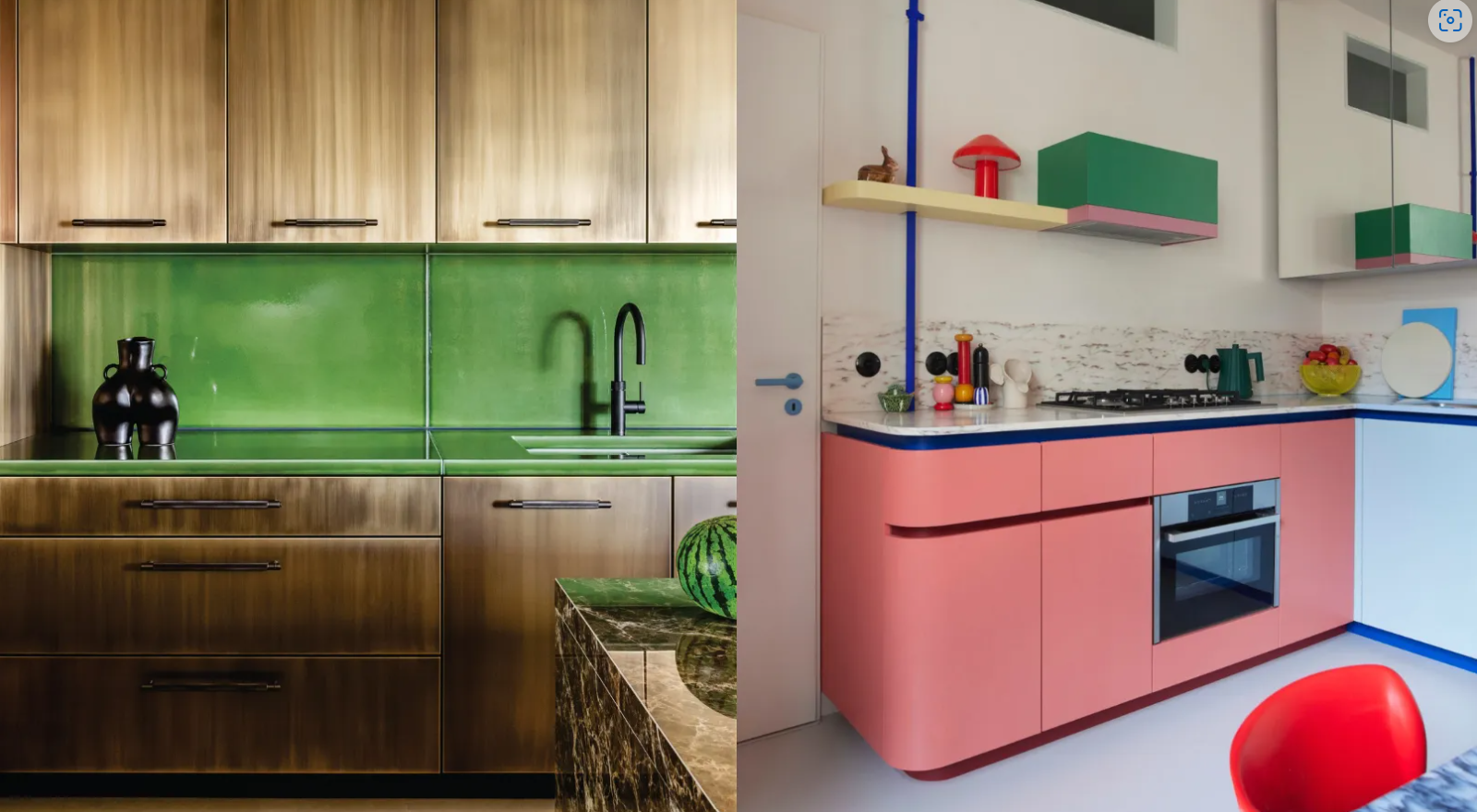
Expect to see more luxury home decor and luxury design choices shaped by architectural performance, including:
- Natural wood surfaces paired with stone and metal
- Minimalist interiors with warmer, organic textures
- Integrated smart systems for energy and comfort control
- Large-format glazing designed for daylight without sacrificing efficiency
- Custom furnishings that emphasize durability and timelessness
This is where architecture news becomes especially valuable for homeowners, developers, and design enthusiasts. It offers an early look at the ideas that will define tomorrow’s most desirable spaces.
Luxury is becoming less about display and more about intelligence: buildings that conserve resources, improve everyday life, and age gracefully. That evolution benefits everyone, from city residents seeking better housing to buyers investing in exceptional homes.
Conclusion: Why This Architecture News Deserves Attention
This week’s architecture news captures a powerful truth about the industry’s direction. UN-Habitat’s housing initiatives highlight the importance of equitable, resilient living environments, while Berlin’s timber-hybrid building shows how innovation and beauty can work together at a high level.
For the world of luxury architecture, luxury decor, and luxury home design, the takeaway is clear: the future belongs to spaces that combine aesthetic distinction with environmental intelligence. The most influential architecture news is no longer just about iconic silhouettes—it is about creating buildings that are sustainable, elegant, and built to serve people better.