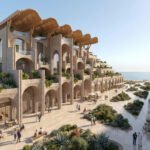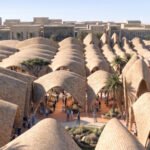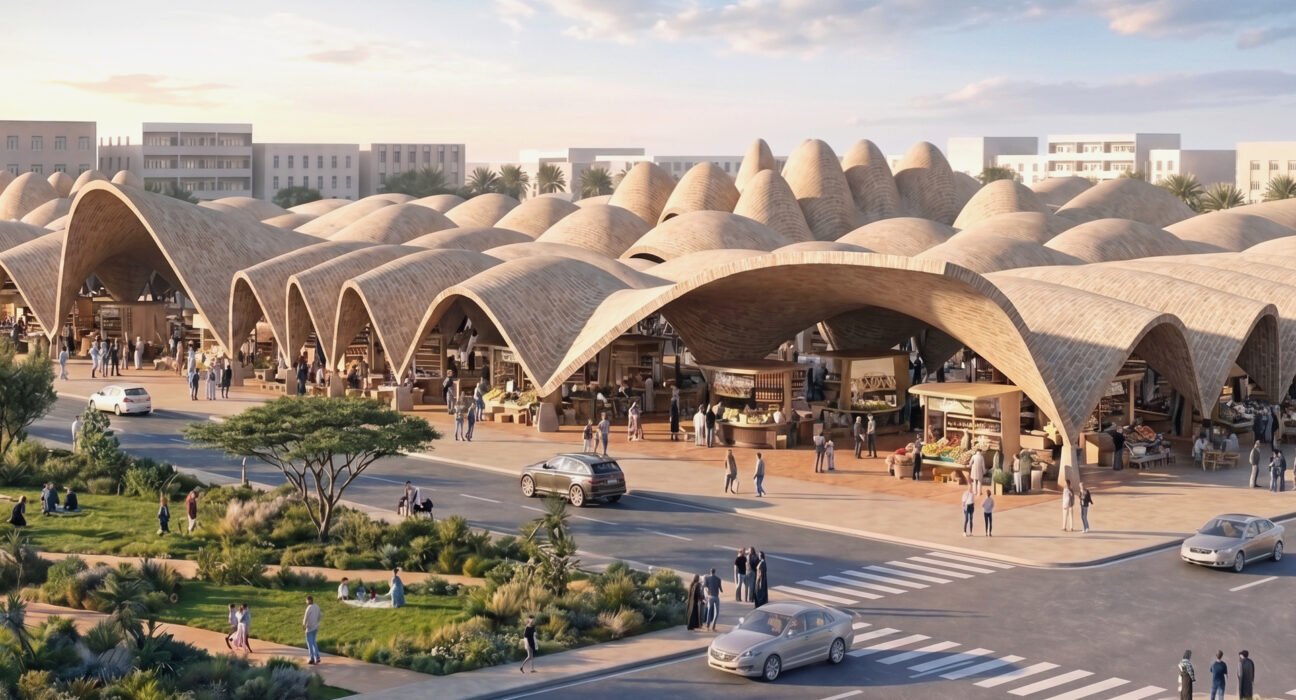
Architecture news rarely carries the weight of an entire city’s future, but Benghazi’s newly revealed 2050 vision does exactly that. Led by Zaha Hadid Architects and a wider planning team, the proposal introduces not only a long-range urban strategy for Libya’s second-largest city, but also a digital planning hub designed to help guide growth with greater precision, resilience, and public coordination.
For readers interested in luxury architecture, luxury design, and the future of high-end urban living, this master plan is more than a municipal update. It reflects how world-class design thinking is increasingly shaping infrastructure, waterfront development, civic identity, and the next generation of premium residential and cultural environments across the Middle East and North Africa.
Architecture News Spotlight: What Benghazi’s 2050 Plan Actually Proposes
The headline announcement centers on a comprehensive long-term framework for Benghazi that looks ahead to the year 2050. Rather than focusing on a single landmark building, the vision appears to position the city as an evolving urban ecosystem—one where planning, mobility, housing, public space, and economic development are considered together.
A standout element is the proposed digital planning hub, which suggests a more data-driven model for shaping the city over time. In practical terms, that kind of hub can support:
- Urban analysis and scenario planning
- Infrastructure coordination across districts
- Monitoring of development phases
- Improved communication between planners, officials, and stakeholders
- Long-term resilience strategies for population growth and environmental change
In today’s architecture news cycle, cities are increasingly judged not just by bold renderings, but by whether they can turn ambition into adaptable, measurable outcomes. Benghazi’s approach signals an attempt to do both.
Why a Digital Planning Hub Matters in Contemporary Urban Design
One of the most compelling aspects of this story is the move toward digital governance in city-making. Urban masterplans have often struggled once they leave the concept stage, especially in rapidly changing environments. A digital planning hub can bridge that gap by creating a living platform rather than a static document.
From Vision to Implementation
Large-scale urban planning succeeds when there is continuity between design intent and execution. A digital platform can help planners test growth models, evaluate transportation networks, and adjust priorities in real time. That is especially relevant for a city aiming to define its trajectory over a 25-year horizon.
Better Coordination Across Sectors
Modern cities demand collaboration between architects, engineers, landscape designers, transport authorities, and policymakers. In high-profile architecture news, this kind of integrated approach is becoming essential. The Benghazi plan suggests that digital tools will be central to managing that complexity.
Resilience and Long-Term Planning
Future-facing plans must consider climate pressures, shifting demographics, economic diversification, and public amenities. A digital planning hub can support scenario testing and phased responses, making the city more agile in the face of uncertainty.
Zaha Hadid Architects and the Global Language of Luxury Architecture
Zaha Hadid Architects has long been associated with fluid forms, ambitious civic projects, and transformative urban statements. In the context of Benghazi, that pedigree brings international attention and a certain design confidence to the city’s future. This is one reason the announcement has generated interest beyond conventional architecture news audiences.
For followers of luxury architecture, the significance lies in how elite design expertise is being applied at an urban scale. Luxury today is not limited to private villas or bespoke interiors. It increasingly includes:
- Well-designed waterfront districts
- High-quality public realm and landscaping
- Cultural institutions with iconic architecture
- Smart infrastructure that improves daily life
- Premium residential communities integrated into broader city planning
This shift matters for the luxury market because affluent buyers and investors are paying closer attention to the quality of the surrounding city—not just the specifications of an individual property.
What This Means for Luxury Home and Design Trends
Although Benghazi’s 2050 plan is a civic-scale initiative, its influence could extend into the worlds of luxury home, luxury home decor, and upscale development. Major urban visions often shape the residential market by setting expectations around lifestyle, amenities, and spatial identity.
Rising Demand for Design-Led Living
When a city embraces contemporary planning and internationally recognized architecture, it can elevate demand for residences that reflect the same sensibility. That may include waterfront apartments, mixed-use communities, and homes that prioritize light, views, materials, and seamless indoor-outdoor living.
A Broader Design Ecosystem
Urban renewal tends to influence interiors as well. As districts modernize, developers and homeowners often seek luxury decor and luxury design languages that align with the architecture around them—think sculptural furniture, natural stone palettes, advanced home technology, and refined minimalism.
Investment and Place-Making
In premium real estate, place-making is everything. Strong public spaces, efficient mobility, and coherent planning can increase the appeal of surrounding properties. That is why this item in architecture news could eventually matter to investors, developers, and luxury homeowners far beyond Libya.
Benghazi’s Opportunity to Reframe Its Urban Identity
City plans are also narratives. They communicate how a place sees itself and how it wants to be seen by residents, businesses, and the wider world. Benghazi’s 2050 vision appears to present a forward-looking identity rooted in regeneration, innovation, and strategic growth.
If executed effectively, the plan could help the city:
- Strengthen civic infrastructure
- Attract investment and talent
- Improve the quality of public life
- Build a more coherent architectural identity
- Create a framework for future luxury and mixed-use development
That makes this more than a visually striking concept. It is a signal that urban transformation in North Africa is increasingly entering the global design conversation.
Conclusion: Why This Architecture News Story Deserves Attention
In a crowded stream of architecture news, Benghazi’s 2050 city plan stands out because it combines vision, governance, and digital strategy in one forward-thinking proposal. The involvement of Zaha Hadid Architects adds prestige, but the deeper story is about how cities can use design and technology together to guide long-term renewal.
For anyone tracking luxury architecture, future cities, or the evolution of premium urban living, this is a development worth watching. If Benghazi’s plan moves from concept to implementation, it could become an influential model for how ambitious design reshapes not just skylines, but the everyday experience of city life.