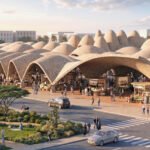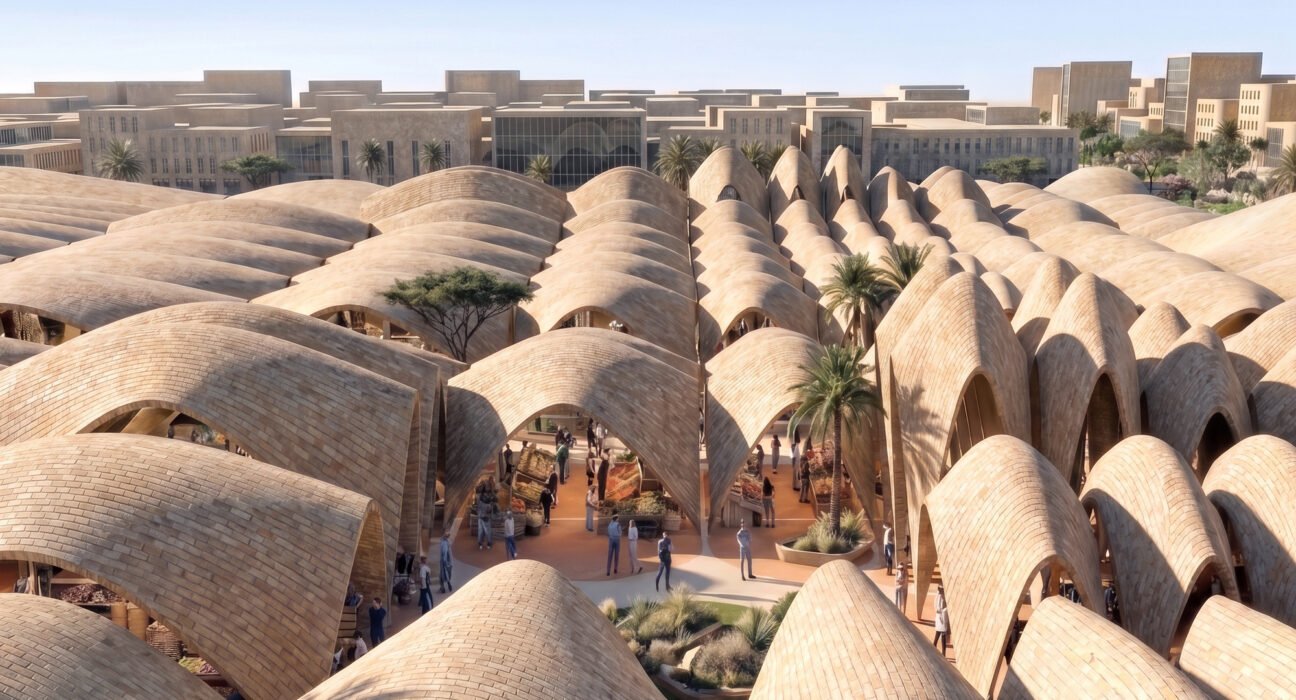
Architecture news rarely captures both imagination and strategic ambition at this scale, but the newly revealed vision for Benghazi’s 2050 city plan does exactly that. Led by Zaha Hadid Architects and supported by a digital planning hub, the proposal points to a future where urban design, infrastructure, heritage, and technology work together to reshape one of Libya’s most important coastal cities.
For readers interested in luxury architecture, luxury design, and future-forward city making, Benghazi’s long-range plan is more than a municipal blueprint. It is a statement about how master planning can create a resilient, elegant, and highly connected urban environment while positioning the city for economic growth, cultural renewal, and a stronger public realm.
Architecture News Spotlight: What Benghazi’s 2050 Plan Proposes
This major piece of architecture news centers on a comprehensive vision for Benghazi through 2050, combining spatial strategy with a digital planning hub designed to guide decision-making over time. Rather than treating urban growth as a series of disconnected projects, the initiative appears to frame the city as a coordinated system in which transportation, housing, civic amenities, business districts, and environmental priorities are carefully aligned.
The involvement of Zaha Hadid Architects gives the plan global design visibility, but the larger significance lies in its planning logic. A 2050 framework suggests long-term thinking about:
- Population growth and future housing demand
- Mobility networks and access across the city
- Waterfront potential and coastal identity
- Public spaces that support community life
- Economic development and investment readiness
- Digital tools for urban governance and scenario planning
In today’s architecture news landscape, large-scale city visions increasingly depend on data-rich platforms. The digital planning hub for Benghazi signals an effort to move beyond static masterplans toward a living framework that can be updated, measured, and refined as the city evolves.
The Role of the Digital Planning Hub
One of the most compelling elements in this architecture news story is the digital planning hub itself. In modern urban development, digital platforms are becoming essential because they allow planners, government leaders, and stakeholders to visualize change before construction begins.
Why digital planning matters
A digital planning hub can serve as the operational brain of a long-term city strategy. Instead of relying solely on drawings and policy documents, planners can use integrated data models to test how future interventions might affect traffic, density, access to services, and land use patterns.
Potential advantages include:
- Better coordination: Infrastructure, architecture, and public services can be planned together.
- Faster analysis: Decision-makers can compare scenarios more efficiently.
- Greater transparency: Stakeholders can better understand urban priorities and development phases.
- Long-term resilience: The city can adapt plans as environmental, economic, or demographic conditions change.
From an architecture news perspective, this reflects a wider shift in global planning: cities are increasingly designed through both physical form and digital intelligence. For Benghazi, that combination could be particularly important as it seeks to modernize while preserving local identity.
Why Benghazi’s Urban Future Matters
Benghazi is not just another site for a high-profile design concept. As one of Libya’s key urban centers, its future has implications for regional development, investment confidence, and national urban renewal. That is why this architecture news development deserves attention beyond the design world.
A successful long-term city plan can help shape:
- Civic identity: Strong public architecture and urban spaces can reinforce a renewed sense of place.
- Economic opportunity: Better planning often attracts real estate, hospitality, retail, and infrastructure investment.
- Quality of life: Mixed-use districts, green space, and improved mobility can make daily life more efficient and enjoyable.
- Global profile: Landmark planning initiatives can position a city as a forward-looking destination.
For audiences drawn to luxury home, luxury decor, and luxury home decor trends, city-scale planning may seem distant from interior aesthetics. Yet the connection is real: premium residential living depends on the broader urban environment. Walkability, views, cultural institutions, waterfront access, and cohesive neighborhood design all influence how luxury housing performs and how people experience it.
Zaha Hadid Architects and the Language of Future Cities
Zaha Hadid Architects has long been associated with expressive form, fluid geometry, and technologically advanced design thinking. In this case, however, the conversation extends beyond iconic buildings. The Benghazi vision suggests a more comprehensive role for architecture: shaping the systems, relationships, and spatial hierarchies that define urban life.
That makes this architecture news especially relevant to readers who follow luxury architecture. The highest level of design today is not only about a striking facade or a dramatic interior. It is also about crafting environments that feel coherent, sustainable, and meaningful at every scale, from the skyline to the street.
Design values likely to shape the vision
While full implementation details will evolve, projects of this nature often prioritize:
- Integrated waterfront and public realm design
- Contemporary infrastructure with lasting visual identity
- Mixed-use districts that support active urban living
- Cultural and civic anchors that define place
- Flexible planning models for future growth
Seen through that lens, this architecture news story is not simply about expansion. It is about creating a framework for a city that can be both globally legible and locally grounded.
What This Means for Luxury Design and Real Estate Watchers
There is a reason urban masterplans often attract attention from luxury sectors. When a city establishes a bold, well-structured long-term vision, it can influence everything from premium residential developments to hospitality concepts and high-end mixed-use investments.
For the luxury market, the most promising outcomes of Benghazi’s 2050 strategy could include:
- New waterfront living opportunities
- Higher-quality public landscapes and amenities
- Architecturally distinctive residential districts
- Improved connectivity between work, leisure, and home
- A stronger design narrative for future development
In that sense, this architecture news item sits at the intersection of policy, planning, and aspirational living. It shows how visionary city design can eventually influence the homes people buy, the neighborhoods they value, and the style of development that defines a market.
Looking Ahead
The success of any 2050 city plan will depend on execution, governance, funding, and sustained public commitment. But vision matters. It sets priorities, attracts collaborators, and gives a city a clear direction at a time when fragmented growth can weaken both beauty and function.
This architecture news story about Benghazi’s future is ultimately about possibility: a major Libyan city using design leadership and digital planning tools to imagine a more connected, resilient, and compelling urban identity. If the strategy develops as intended, Benghazi could become an important case study in how architecture, technology, and long-term planning shape the next generation of cities.
For anyone tracking architecture news, luxury architecture, and transformative urban design, Benghazi’s 2050 city plan is a project worth watching closely. Its greatest lesson may be simple: the most powerful design is not just what a city builds next, but the future it dares to plan.