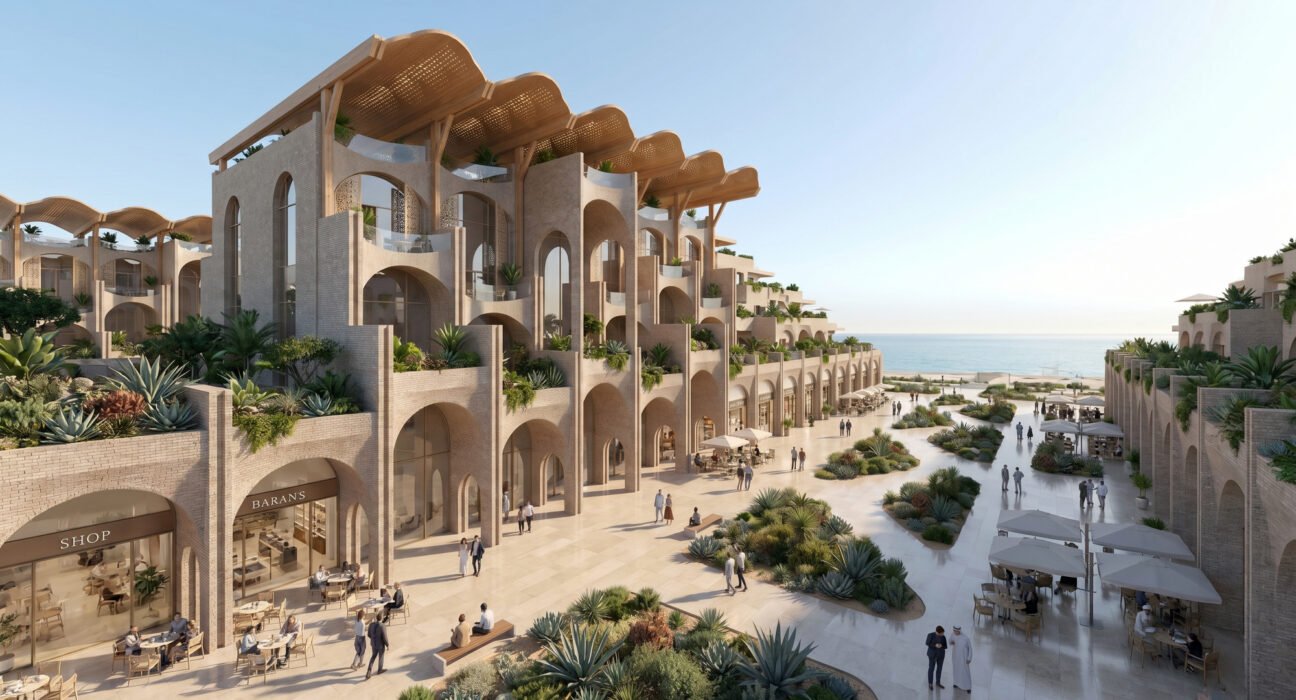
Architecture news rarely captures both long-range ambition and practical urban strategy as clearly as the newly revealed vision for Benghazi’s 2050 city plan. Led by Zaha Hadid Architects and its wider planning team, the proposal introduces not just a design direction for Libya’s second-largest city, but also a digital planning hub intended to guide how that future is tested, refined, and delivered.
For readers interested in luxury architecture, luxury design, and the evolution of high-impact urban environments, the Benghazi 2050 framework is significant. It reflects a growing global shift toward data-informed masterplanning, resilient infrastructure, and civic spaces designed to support both identity and long-term prosperity.
Architecture News Spotlight: What the Benghazi 2050 Plan Proposes
At its core, the Benghazi 2050 vision presents a strategic roadmap for urban regeneration and future growth. Rather than focusing on a single landmark building, the plan approaches the city as a connected system—one where transportation, public realm, environmental performance, housing, and economic development are planned together.
The inclusion of a digital planning hub is one of the most notable elements. In today’s architecture news cycle, this kind of tool signals a more advanced form of city-making. Digital planning platforms can help decision-makers simulate development scenarios, assess mobility patterns, study land use, and better coordinate phased implementation over time.
This matters especially for a city like Benghazi, where rebuilding, modernization, and urban identity must be balanced carefully. A long-term framework can help ensure that short-term interventions contribute to a coherent metropolitan future.
Key ideas behind the vision
- Integrated masterplanning: urban design linked with infrastructure, landscape, and civic services
- Digital governance tools: a planning hub that supports evidence-based decisions
- Resilience and adaptability: preparing the city for future population, climate, and mobility needs
- Public realm enhancement: improving how residents interact with streets, waterfronts, and communal spaces
- Economic renewal: creating conditions for investment, innovation, and diversified growth
Why a Digital Planning Hub Matters for Modern Cities
One reason this story stands out in architecture news is that the digital planning hub elevates the project beyond a visual concept. Contemporary urban planning increasingly depends on live data, mapping systems, and scenario modeling. These tools help cities make more informed choices before construction begins.
In practical terms, a digital hub can support:
- More accurate analysis of traffic and mobility networks
- Better coordination between government agencies and planning teams
- Visualization of development phases over decades
- Improved public communication around large-scale urban change
- Stronger alignment between design ambition and buildable reality
For luxury design observers, this also points to a broader trend: premium urban experiences are no longer defined only by iconic architecture. They are increasingly shaped by seamless infrastructure, accessible green space, waterfront quality, and the intelligence of the systems behind the built environment.
Benghazi’s Urban Future Through a Luxury Architecture Lens
Although this is fundamentally a city-scale planning story, it also resonates with the values often seen in luxury architecture. High-end design today is as much about spatial quality, permanence, and cultural expression as it is about aesthetics. When a city invests in a visionary masterplan, it creates the foundation for future luxury residential districts, hospitality projects, waterfront destinations, and premium public spaces.
That is why this development belongs in conversations around luxury home, luxury decor, and luxury home decor, even if those categories seem more interior-focused at first glance. The most desirable homes exist within desirable urban ecosystems. Walkability, views, access to culture, strong infrastructure, and beautiful civic landscapes all shape long-term real estate value and lifestyle appeal.
From that perspective, the Benghazi 2050 plan is not only about rebuilding. It is about setting a design standard for how future neighborhoods might look and function in a more globally competitive city.
Design qualities likely to influence future development
- Elegant, coherent waterfront and civic design strategies
- Stronger relationships between architecture and landscape
- Mixed-use districts with a more contemporary urban character
- Opportunities for high-spec residential and hospitality projects
- Public spaces that reinforce both identity and daily livability
The Regional Importance of This Architecture News Story
In regional terms, this piece of architecture news reflects the continued importance of ambitious masterplanning across North Africa and the Middle East. Cities across the region are investing in transformation strategies that blend design excellence with economic and social goals. Benghazi’s 2050 plan enters that wider conversation with a framework rooted in long-term vision rather than isolated construction.
That distinction is important. A successful city plan must do more than produce striking renderings. It must establish priorities, sequencing, and governance mechanisms that can support implementation over decades. The digital planning hub suggests that the team understands this challenge and is building a system for continuity, not just presentation.
For architects, developers, and design-conscious readers, the project demonstrates how future-facing planning can become a platform for regeneration. It also reinforces the role of globally recognized design firms in shaping narratives of renewal in cities with deep historical significance and complex contemporary needs.
What to Watch Next
As with any large-scale urban vision featured in architecture news, the most important question is what happens after the unveiling. The long-term impact of the Benghazi 2050 plan will depend on policy support, stakeholder coordination, investment, and phased delivery.
Key markers to watch include:
- How the digital planning hub is used by local institutions
- Whether priority districts or pilot projects are identified early
- How mobility, public space, and infrastructure upgrades are sequenced
- What role private development will play in implementation
- How the plan balances global design language with local urban identity
If these pieces align, Benghazi could emerge as a compelling example of how strategic planning, digital tools, and design ambition work together to shape a city’s next chapter.
Conclusion
This architecture news story is about far more than a masterplan reveal. The Benghazi 2050 vision and its digital planning hub represent a sophisticated approach to urban transformation—one that combines design, data, resilience, and civic aspiration. For audiences following luxury architecture and future citymaking, the takeaway is clear: the most influential projects today are not only buildings, but entire urban frameworks that redefine how people will live, move, and experience place for decades to come.