
Luxury design is often associated with beauty, exclusivity, and impeccable comfort, but France’s first recovered Ebola case offers a powerful reminder that the best spaces also protect the people inside them. As France confirms that its first diagnosed Ebola patient has recovered and been discharged from hospital, the story shines a light on a less discussed dimension of high-end environments: how luxury design, luxury decor, and premium architecture can support hygiene, safety, and calm during moments of medical uncertainty.
Although the case unfolded in a healthcare setting, the lessons extend far beyond hospitals. From luxury residences and private wellness suites to boutique hotels and designer retreats, today’s elite spaces are increasingly expected to combine visual refinement with resilience, sanitation, and smart spatial planning.
France’s first recovered Ebola case and why it matters
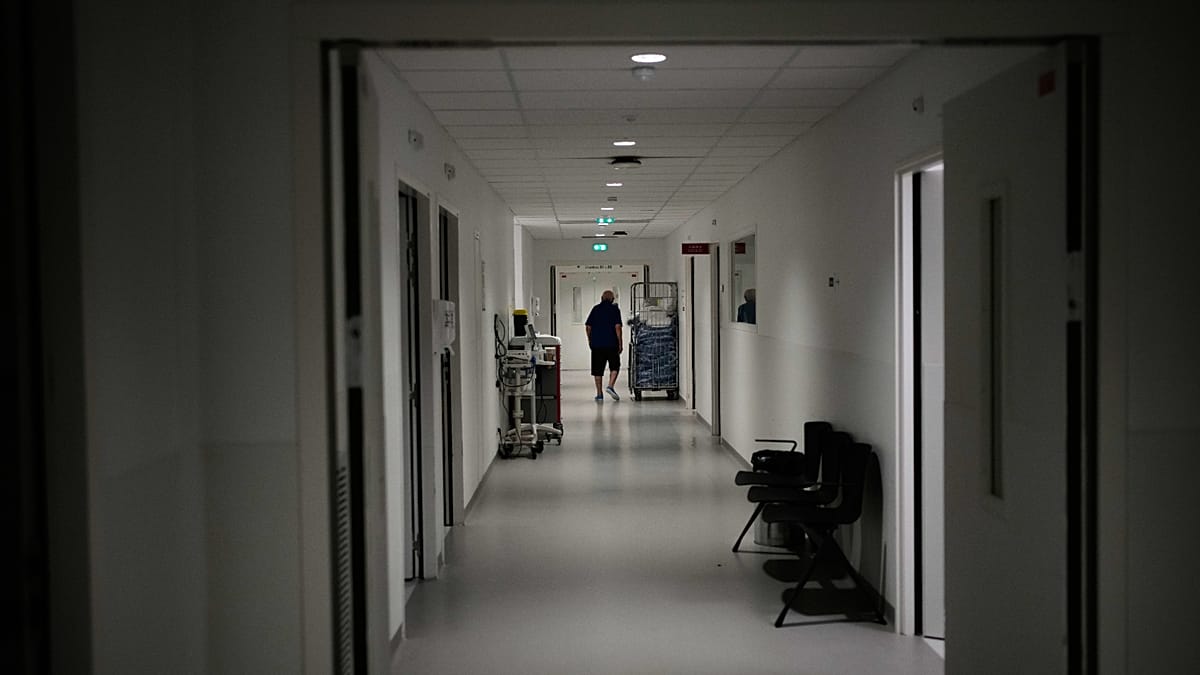
French Health Minister Stéphanie Rist announced that the patient, a humanitarian doctor who had traveled from the Democratic Republic of Congo, recovered after receiving medical care and producing two negative PCR tests. He had been isolated on arrival in France after his symptoms worsened during the flight, while five possible contacts were also asked to isolate for 21 days in line with public health protocols.
The Ebola case in France was handled quickly, with close monitoring and controlled isolation helping to reduce wider risk. While Ebola is not considered highly contagious in casual settings, it can cause severe and often fatal haemorrhagic fever, making strict containment essential. The outbreak in the DRC has already claimed hundreds of lives, reinforcing why preparedness matters in every environment where health and human movement intersect.
For readers in the luxury brands, luxury decor, and luxury design space, this event underscores an important truth: premium spaces must now be designed not only to impress, but also to adapt.
How luxury design is evolving in a health-conscious world
The pandemic era already shifted expectations around interiors, air quality, and touchpoints, but news like the recovered Ebola case in France pushes those conversations further. High-end clients are no longer focused solely on aesthetics. They want environments that feel serene, intelligently planned, and ready for disruption without sacrificing elegance.
Wellness is now part of luxury
Modern luxury design increasingly overlaps with wellness design. This means creating interiors that promote both physical and emotional comfort through:
- Advanced air purification and ventilation systems
- Antimicrobial and easy-to-clean surfaces
- Private transition zones such as mudrooms, vestibules, and wellness entryways
- Calming color palettes that reduce stress
- Spatial layouts that support privacy and controlled movement
In prestigious homes, yachts, penthouses, and hospitality spaces, these features are becoming status markers in their own right. Quiet functionality now sits beside craftsmanship as a defining element of luxury decor.
Materials matter more than ever
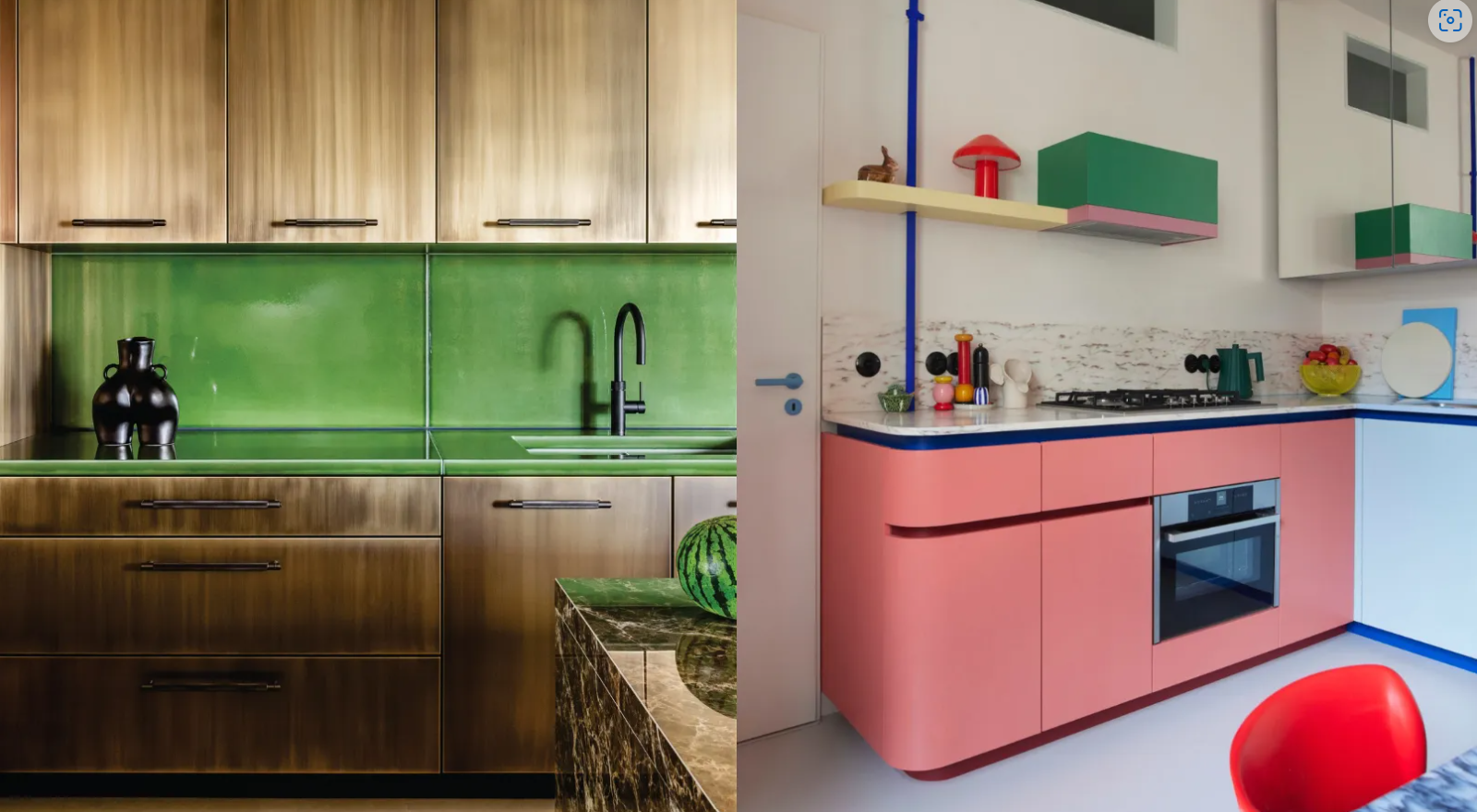
Surface selection is one of the clearest ways luxury design can respond to health concerns. Natural stone, treated wood, high-performance fabrics, copper-infused elements, and seamless finishes can all contribute to easier maintenance and more hygienic living. The goal is not to make spaces feel clinical, but to ensure they remain beautiful under real-world use.
That distinction matters. Following public health events such as the Ebola case in France, clients may become more aware of the unseen performance of a room: how it cleans, how it ventilates, and how safely it functions when routines are disrupted.
Luxury decor lessons from high-containment environments
No luxury residence needs to resemble an isolation ward, but some principles from controlled medical settings translate surprisingly well into premium design. The France Ebola recovery story demonstrates how disciplined environments can support calm, recovery, and safety. In luxury interiors, that can inspire a more thoughtful approach to planning.
Key design takeaways for premium spaces
- Dedicated arrival areas: Separate entry sequences allow for cleaner transitions from outdoors to indoors.
- Flexible private suites: Guest wings or wellness rooms can double as retreat spaces when privacy is needed.
- Touch-reduced technology: Motion sensors, voice controls, and automated systems help minimize contact points.
- Integrated sanitation storage: Beautifully concealed cabinetry can house wellness essentials without visual clutter.
- Enhanced bathroom design: Spa-grade bathrooms with easy-clean surfaces, quality drainage, and premium ventilation blend function with indulgence.
These choices are especially relevant in luxury hospitality, where discerning travelers increasingly expect visible cleanliness, discreet safety systems, and a sense of controlled comfort.
The new standard for luxury brands and hospitality
Luxury brands have long sold aspiration, but today aspiration includes trust. Whether designing a flagship showroom, a five-star resort, or a private members’ club, operators must think beyond visual identity. The recovered Ebola case in France is a reminder that confidence in a space comes from what guests cannot always see as much as what they can.
That shift is influencing several sectors:
- Luxury hotels are investing in suite-level air management and private wellness amenities.
- Designer residences are incorporating spa rooms, discreet hygiene stations, and flexible work-and-recovery zones.
- Luxury retail is rethinking circulation, fitting rooms, and private appointment spaces for comfort and control.
- High-end transport and aviation are emphasizing sanitation, filtration, and seamless customer movement.
In each case, luxury design becomes a form of reassurance. It tells clients that elegance and preparedness are no longer separate ideas.
Why resilience is becoming a hallmark of refined living
The France Ebola recovery is ultimately a public health story, but it also reflects a broader cultural change in how we define exceptional spaces. True luxury is no longer just rare materials, iconic furniture, or bespoke finishes. It is the ability of a space to preserve wellbeing, maintain beauty under pressure, and support peace of mind.
Designers, architects, and luxury brands that understand this shift are likely to lead the next chapter of premium living. They will create environments that feel effortless yet are carefully engineered behind the scenes, where wellness technology, durable materials, and elegant decor work together.
As the news of the recovered Ebola case in France fades from the headlines, its design lesson remains clear: the future of luxury design belongs to spaces that are as resilient as they are refined. In a world shaped by global movement and public health awareness, the most desirable interiors will not just look extraordinary—they will be intelligently prepared for real life.