
Albania NATO Summit Uncertainty Signals a New Era of Alliance Pressure and Prestige Politics
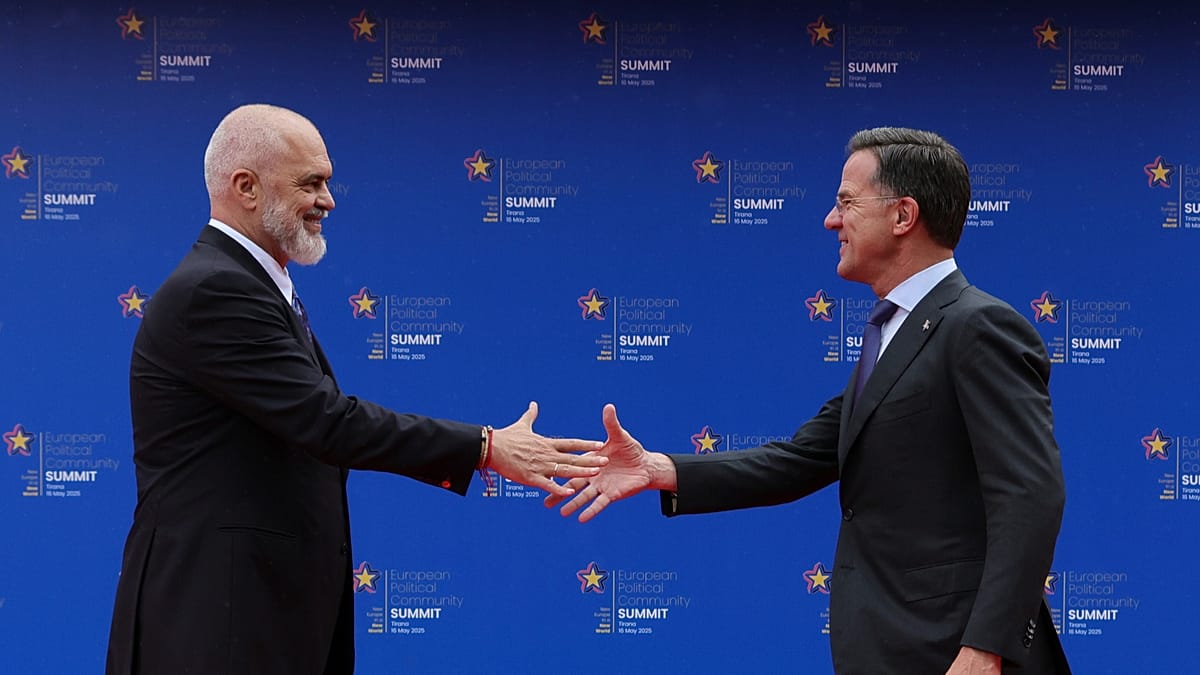
Prestige matters in global diplomacy, but so does performance. The growing uncertainty around the Albania NATO summit shows how quickly symbolic hosting rights can become leverage when allies fail to meet hard security commitments.
According to recent reporting, Albania’s role as host of next year’s NATO gathering is now under scrutiny because the country has not shown convincing progress toward the alliance’s tougher defence spending goals. While summit hosting often carries a sense of national prestige, this episode underlines a more serious message: in today’s NATO, optics alone are no longer enough.
Why the Albania NATO Summit Is in Doubt
The immediate issue surrounding the Albania NATO summit is defence spending. NATO members agreed to move toward a new benchmark of 5% of GDP by 2035, a major jump from the long-standing 2% target that has dominated alliance debates for years. Albania is reportedly spending about 1.49% of GDP on defence, leaving it below even the original threshold.
That gap has become politically significant. NATO officials appear to be using the omission of Albania from draft summit conclusions as a pressure tactic, signaling that hosting privileges are tied to credible progress on burden-sharing. In practical terms, the alliance is sending Tirana a clear warning: increase defence commitments or risk losing the diplomatic spotlight.
The Albania NATO summit question is therefore about more than event planning. It reflects a wider shift inside the alliance, where member states are being judged not just by rhetoric, but by measurable follow-through.
The US Push Against Security “Free Riders”
Washington has taken a particularly hard line on countries seen as lagging behind. US officials have argued that European allies can no longer rely disproportionately on American taxpayers to underwrite collective security. That criticism has revived the long-running burden-sharing debate, but with sharper language and higher stakes.
In this context, the Albania NATO summit dispute serves as a warning to all allies. The message from the US is straightforward: every member must demonstrate a realistic path toward the 5% goal, not merely make political promises.
This tougher position is also shaped by the strategic climate. Russia’s war in Ukraine, instability on NATO’s southern flank, and renewed concerns about defence-industrial readiness have all increased pressure on members to spend more, faster. For countries that fall behind, diplomatic consequences may now accompany financial underperformance.
What This Means for NATO’s Internal Politics
The uncertainty around the Albania NATO summit highlights a broader transformation in NATO politics. Host selection has traditionally reflected unity and shared purpose. Now, it may also function as an incentive mechanism.
Summit hosting as strategic leverage
Being chosen to host a NATO summit is more than ceremonial. It offers:
- International visibility and reputational value
- A chance to showcase domestic infrastructure and governance
- Symbolic recognition within the alliance
- An opportunity to shape the political atmosphere around key discussions
If NATO is prepared to reconsider Albania’s role, it suggests summit diplomacy is becoming more conditional. Recognition must be earned through contribution, not assumed through membership alone.
Other allies are under scrutiny too
Albania is not the only country facing pressure. Reports indicate that Slovenia and Czechia have also been criticized over whether their defence spending figures truly reflect the required level of commitment. That matters because the debate is increasingly about credibility rather than accounting.
For NATO leadership, maintaining unity while enforcing standards will be a delicate balancing act. Push too hard, and smaller members may feel publicly singled out. Move too softly, and the alliance risks undermining its own targets.
Why the Albania NATO Summit Matters Beyond Defence Budgets
At first glance, the Albania NATO summit may seem like a niche diplomatic story. But it speaks to larger questions about power, status, and accountability in Western institutions.
NATO is trying to project strength at a time of heightened geopolitical tension. That means member states are expected to contribute resources equal to the seriousness of the moment. A host nation that falls visibly short on core commitments risks weakening that message.
The issue also carries significance for countries on Europe’s periphery. For nations such as Albania, high-profile international hosting opportunities can symbolize deeper integration into Western political and security structures. Losing that role would not simply be a scheduling change; it could be read as a setback in stature.
There is also an image dimension. In an era when governments carefully curate national prestige through architecture, infrastructure, design, and diplomatic staging, summit hosting is a form of soft power. The venue, the city, and the state presentation all matter. That is why uncertainty around the Albania NATO summit resonates beyond defence circles and into broader discussions of national branding and international influence.
Key Takeaways From the Albania NATO Summit Standoff
The current situation reveals several important trends inside NATO:
- Defence spending is now central to alliance legitimacy. Members are expected to prove commitment with real budgetary movement.
- The US is intensifying pressure. Countries seen as underinvesting may face sharper public and diplomatic consequences.
- Prestige is becoming conditional. Hosting a major summit is no longer just symbolic recognition; it may depend on strategic compliance.
- Alliance unity is being tested. NATO must enforce standards without creating deeper internal divisions.
Conclusion: The Albania NATO Summit Is a Test of Credibility
The unfolding debate over the Albania NATO summit is ultimately a test of credibility—both for Albania and for NATO itself. If the alliance is serious about demanding higher defence spending, it must show that commitments have consequences. If Albania wants to retain the prestige of hosting, it will need to demonstrate a believable path toward meeting alliance expectations.
In the end, the Albania NATO summit is about more than one country or one event. It marks a new phase in NATO politics, where reputation, responsibility, and resources are more tightly linked than ever before.