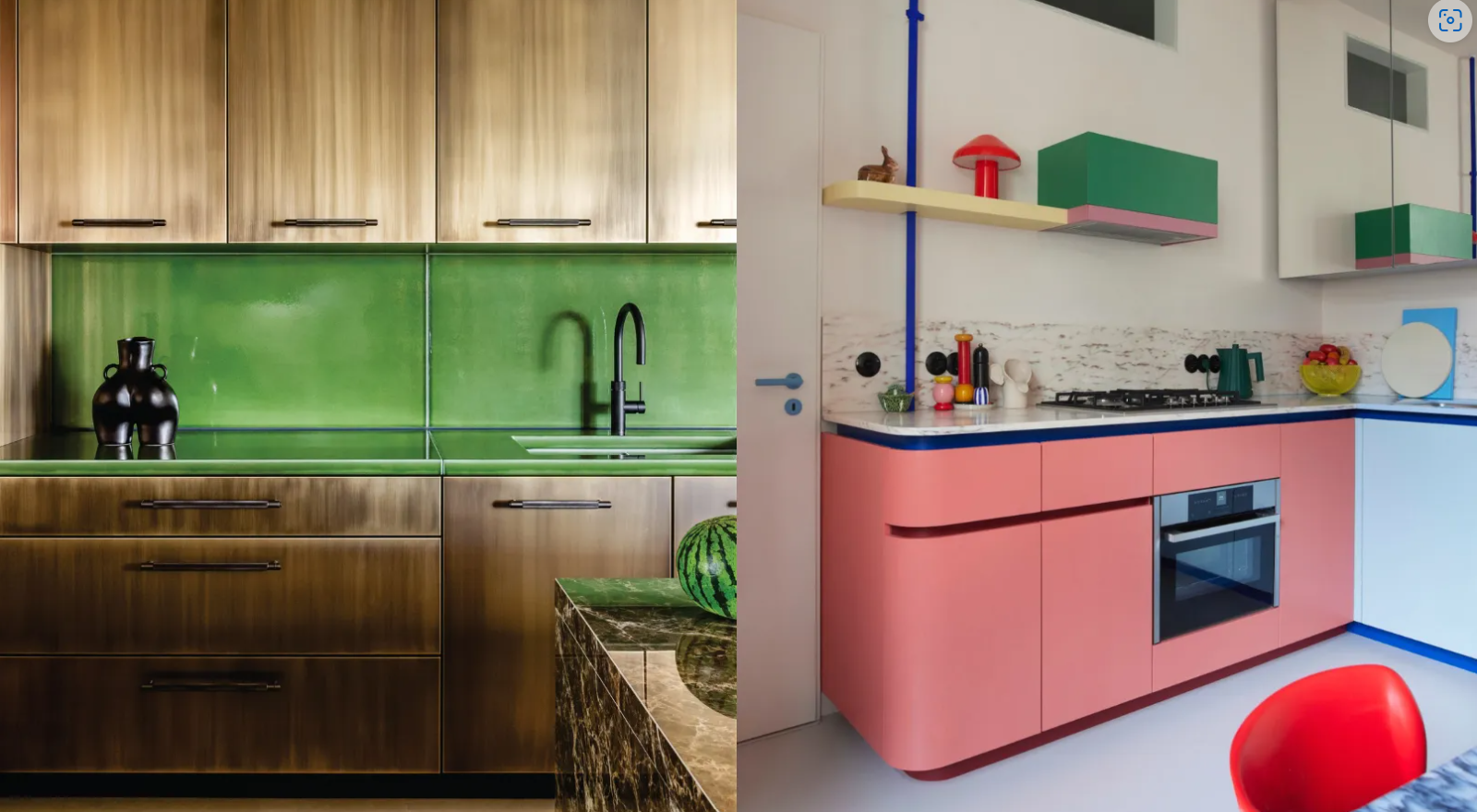



How US Headlines Are Shaping Luxury Design, Decor and Brand Storytelling in 2026

Luxury never exists in a vacuum. In 2026, the biggest US headlines—from heatwaves and AI policy to global sporting events and public safety concerns—are reshaping how premium brands design products, craft interiors and tell their stories. For anyone watching the future of luxury design, these developments matter because they influence what affluent consumers value most: comfort, resilience, innovation and cultural relevance.
Across the American news cycle, several themes stand out. Extreme weather is intensifying, artificial intelligence is accelerating, travel is becoming more experience-driven, and major public events are changing how cities prepare for crowds. Together, these shifts are creating a new design brief for the high-end market—one where beauty must work harder, smarter and more responsibly.
Why luxury design is becoming more responsive to real-world events
Today’s luxury design is no longer defined only by rarity or ornament. It is increasingly judged by how well it responds to the conditions of modern life. News reports from the US point to a cultural climate shaped by heat, mobility, security, technology and spectacle. That context is influencing everything from luxury decor materials to boutique hotel concepts and flagship retail environments.
For luxury consumers, aspirational living still matters—but so does performance. A marble-clad room may look impressive, yet clients now also want cooling efficiency, adaptive lighting, smart controls and spaces that feel calm during uncertainty. This more practical form of indulgence is setting the tone for the next era of premium interiors.
Climate pressure is changing the luxury decor palette
Reports of a prolonged and dangerous US heatwave underscore a major opportunity for luxury decor and architecture: climate-aware elegance. In warm-weather markets especially, designers are moving toward interiors that reduce heat load without sacrificing sophistication.
- Light-reflective finishes and pale natural stones
- Breathable textiles such as linen, wool blends and high-end performance fabrics
- Shading systems, sculptural screens and layered window treatments
- Indoor-outdoor layouts that improve airflow and livability
- Water-conscious landscaping paired with resort-style ambience
In this context, luxury design is becoming sensorial as well as visual. The most successful spaces feel cooler, quieter and more restorative. That shift elevates wellness from a trend into a design standard.
AI is pushing luxury design toward smarter personalization
Recent US coverage on export controls and access to powerful AI models signals how quickly advanced technology is entering mainstream business strategy. For luxury design and luxury brands, AI is not just a back-end tool—it is becoming part of the client experience.
Expect premium interiors and products to become more tailored through data-informed customization. AI can help brands analyze preferences, forecast material demand, visualize bespoke rooms and create highly specific recommendations for affluent buyers. In retail, smart showrooms may use adaptive displays, concierge-level digital service and virtual styling tools that feel seamless rather than intrusive.
What luxury brands can do with AI now
- Create hyper-personalized client journeys online and in-store.
- Use predictive insights to manage rare materials and limited-edition inventory.
- Offer immersive visualization for custom furniture, finishes and layouts.
- Refine storytelling with more accurate audience segmentation.
- Improve after-sales service through intelligent follow-up and maintenance support.
The key for luxury brands is balance. Technology should enhance exclusivity and convenience, not diminish craftsmanship or human touch. The winners will be those that make innovation feel invisible and intuitive.
World Cup energy is influencing luxury hospitality and experiential design
US stories tied to the 2026 World Cup reveal another major lesson for luxury design: people want shared experiences, but they expect elevated environments. From fan zones and city celebrations to travel surges and themed hospitality, the tournament is showcasing how design can transform high-traffic moments into memorable premium experiences.
This is especially relevant for luxury hotels, private clubs, residences and branded spaces. Design is increasingly being used to manage flow, amplify emotion and create photogenic, culturally resonant settings. Even temporary environments—lounges, pop-ups, terraces and viewing salons—are being conceived with the sophistication once reserved for permanent spaces.
Design cues emerging from major event culture
- Flexible lounge layouts that shift from daytime calm to nighttime entertainment
- Acoustic planning for comfort in crowded social spaces
- VIP outdoor areas with shade, cooling systems and layered seating
- Destination-inspired decor that references global culture with restraint
- Enhanced wayfinding and discreet security integration
For luxury design professionals, this means experiential thinking is now essential. A space must be visually striking, operationally smart and emotionally engaging all at once.
Scenic travel is reviving interest in timeless luxury design
The return of a historic rail journey between Alaska, British Columbia and the Yukon points to a broader desire for romantic, slow and visually rich travel. That mood aligns perfectly with a growing appetite for heritage-inflected luxury design.
In interiors, this often appears as a blend of nostalgia and refinement: polished woods, tailored upholstery, warm metals, panoramic framing and artisanal detail. Luxury decor is borrowing from golden-age travel without becoming costume-like. The effect is layered, transportive and quietly cinematic.
Brands in the premium space can draw inspiration from this trend by embracing:
- Craftsmanship with a clear sense of origin
- Materials that age beautifully over time
- Design narratives rooted in place, route and discovery
- Spaces that encourage pause rather than constant stimulation
This is where luxury design becomes storytelling in physical form—inviting clients to inhabit a mood, not just a room.
Security, civic tension and resilience are becoming part of the luxury brief
Several US reports highlight legal battles, public policy disputes, crowd-control concerns and incidents at public gatherings. While these stories may seem distant from interiors, they reflect a wider consumer desire for safety, privacy and stability. In response, luxury design is becoming more discreetly protective.
This does not mean turning homes, hotels or retail spaces into hardened environments. Rather, it means integrating resilience elegantly through:
- Private transitions between public and personal zones
- Advanced entry systems hidden within refined architectural detailing
- Durable, easy-to-maintain finishes that still read as luxurious
- Outdoor spaces designed for comfort, shelter and controlled access
- Lighting strategies that support ambiance and security simultaneously
The modern affluent buyer increasingly sees peace of mind as a premium amenity. That makes resilience a central component of luxury design rather than a secondary technical concern.
What this means for luxury brands in 2026
For luxury brands, the message is clear: relevance now depends on reading the wider world closely. The strongest brands will not simply react to trends. They will interpret global events through the lens of aesthetics, utility and emotional value.
That means building collections, spaces and campaigns around a few clear principles:
- Climate intelligence: design for comfort in hotter, less predictable conditions.
- Smart personalization: use AI to elevate service and customization.
- Experiential value: create environments people want to remember and share.
- Heritage appeal: pair timeless craftsmanship with modern function.
- Discreet resilience: make safety and privacy feel effortless.
Ultimately, luxury design in 2026 is becoming more human-centered. It still celebrates beauty and status, but it now also answers practical questions about climate, technology, movement and wellbeing. The brands and designers that understand this shift will be best positioned to define the next chapter of premium living.
In a year shaped by volatile headlines and fast-moving change, luxury design offers something powerful: environments that feel intentional, comforting and future-ready. That is the clearest takeaway for luxury brands, luxury decor specialists and design leaders alike—true luxury today is not just about appearance, but about intelligent adaptation.