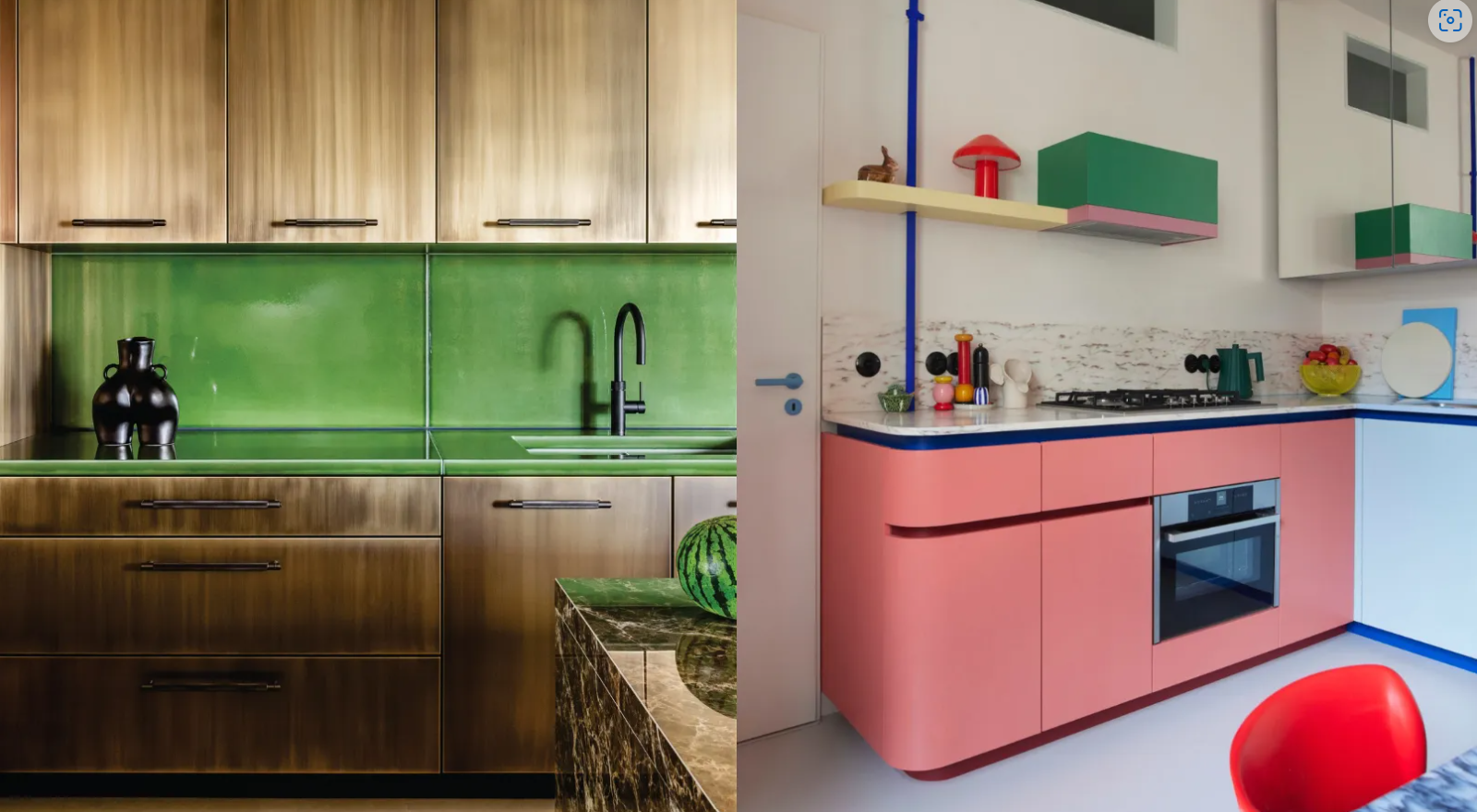

Luxury design rarely exists in isolation. The materials, craftsmanship, energy networks and transport corridors behind premium interiors are increasingly shaped by geopolitics, and that makes South Caucasus connectivity far more relevant to the luxury world than it may first appear. As the European Union deepens ties with Azerbaijan and the wider region, designers, luxury brands and high-end decor specialists should pay close attention to how new infrastructure and energy partnerships could influence sourcing, innovation and market access.
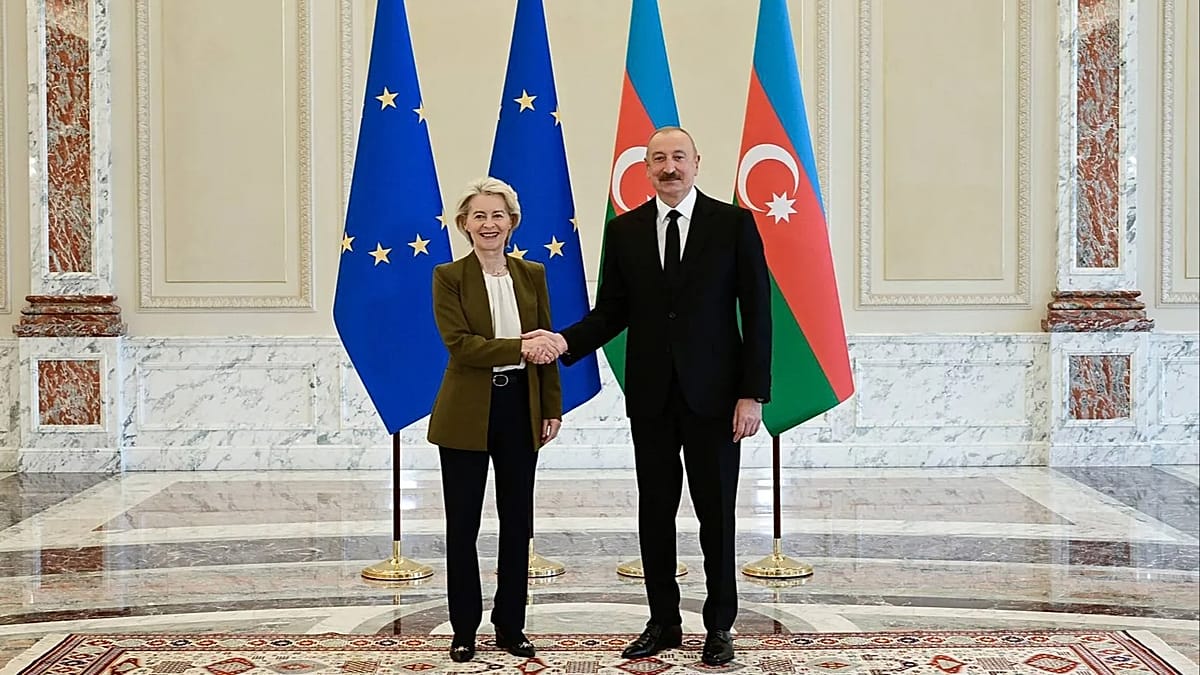
European Commission President Ursula von der Leyen’s latest visit to Baku signals a broader EU strategy centered on energy security, transport infrastructure, digital links and regional stability. While the headlines focus on diplomacy, the downstream effects could reach sectors tied to luxury design, from bespoke furnishings and architectural finishes to premium hospitality concepts and design-led real estate.
Why South Caucasus Connectivity Matters to Luxury Design
At first glance, policy talks in Baku may seem distant from the worlds of luxury decor and luxury brands. In reality, South Caucasus connectivity has the potential to reshape how high-value goods, design materials and creative collaborations move between Europe, Central Asia and the Caspian region.
The EU is treating the South Caucasus as a strategic bridge. That matters for luxury sectors because premium design depends on three things that infrastructure directly affects:
- Reliable energy for manufacturing, finishing and large-scale production
- Efficient transport corridors for moving fragile, high-value goods
- Digital infrastructure that supports design services, cross-border procurement and global client management
With Brussels proposing a new EU-Azerbaijan Connectivity Partnership and linking it to the Global Gateway initiative, South Caucasus connectivity is moving from abstract policy language into a practical framework that could influence supply chains well beyond energy.
EU-Azerbaijan Relations and the Premium Supply Chain
Von der Leyen described Azerbaijan as a trusted energy partner for Europe, especially since the bloc began diversifying away from Russian supplies. That energy relationship is central, but the wider message is equally important: the EU wants stronger long-term links with the region across transport, digital systems and investment.
For luxury brands, that broader push may create several opportunities:
- More resilient sourcing networks
High-end interiors rely on steady access to wood treatments, metals, stone, textiles, glass and crafted components. New routes can reduce bottlenecks and offer alternatives when traditional pathways face disruption. - Emerging design markets
As connectivity improves, cities across strategic corridors often see new hospitality, retail and residential development. That can generate demand for luxury decor, custom furniture and premium fit-outs. - Cross-regional craftsmanship
The South Caucasus sits at a cultural crossroads. Better infrastructure can make it easier for European luxury houses to collaborate with artisans, workshops and material specialists in adjacent regions.
In this context, South Caucasus connectivity is not just a diplomatic phrase. It can become a commercial enabler for brands that thrive on exclusivity, quality and controlled logistics.
Energy Security, Sustainability and Luxury Manufacturing
Luxury consumers increasingly expect beauty and responsibility to go together. That means energy sourcing is no longer a background issue for premium design houses. It is part of brand value.
The EU’s engagement with Azerbaijan includes both natural gas cooperation and an expanding conversation around renewables. For luxury manufacturers, this matters in two ways:
1. Stable production conditions
High-end manufacturing is energy intensive, particularly in glassmaking, metalwork, ceramics, lighting and climate-controlled workshops. A more secure European energy environment supports predictable production costs and delivery timelines.
2. Greener brand storytelling
As infrastructure investment extends into cleaner energy and modernized transport, luxury brands gain more room to strengthen sustainability claims around procurement and distribution. Clients in premium residential and hospitality sectors increasingly ask where materials come from and how they travel.
That makes South Caucasus connectivity part of a larger luxury narrative: resilience, traceability and future-ready supply systems.
The Middle Corridor and High-Value Design Logistics
One of the most significant developments mentioned around EU regional strategy is the Trans-Caspian International Transport Route, often called the Middle Corridor. This route is gaining attention as Europe looks for alternative trade pathways linking it with Central Asia and beyond.
For luxury design businesses, the practical value is clear. Premium goods require:
- Faster transit with fewer disruptions
- Careful handling across borders
- Route diversification for risk management
- Access to new supplier and client ecosystems
If the Middle Corridor continues to develop, South Caucasus connectivity could become especially relevant for luxury furniture brands, bespoke lighting studios, collectible design dealers and high-end developers working across multiple regions.
Regional Stability and the Business of Luxury Growth
Von der Leyen also emphasized the Armenia-Azerbaijan peace process, with the EU positioning regional stability as essential to long-term cooperation. For the luxury sector, peace and predictability are not secondary concerns. They are foundational to investment.
Luxury retail, premium real estate and destination hospitality all perform best where there is confidence in infrastructure, movement and economic outlook. The EU’s proposed funding for peace-building, demining, healthcare, rural development and support for small and medium-sized enterprises suggests a wider attempt to create conditions for durable growth.
That matters because luxury design follows confidence. New transport hubs, urban renewal, business travel routes and upscale tourism often create demand for:
- Boutique hotel interiors
- High-end residential design
- Designer furnishings
- Artisanal decor collections
- Premium mixed-use developments
In short, South Caucasus connectivity and regional stabilization could help unlock fresh design and investment opportunities over time.
What Luxury Brands Should Watch Next
Brands operating in luxury decor and luxury design do not need to become geopolitical analysts, but they should monitor how this regional strategy evolves. Key signals include:
- Progress on the EU-Azerbaijan Connectivity Partnership
- Investment tied to the EU Global Gateway initiative
- Expansion of the Middle Corridor
- Renewable energy and digital infrastructure projects
- Stability in Armenia-Azerbaijan normalization efforts
Each of these factors can influence procurement, expansion planning, shipping strategy and future market positioning.
The core takeaway is simple: South Caucasus connectivity is becoming a meaningful strategic theme for Europe, and that has implications far beyond politics. For luxury brands and design-led businesses, the region’s growing role in energy, transport and infrastructure could shape the next generation of premium supply chains and design opportunities. In a market where excellence depends on access, reliability and innovation, South Caucasus connectivity is a trend worth watching closely.