
The latest labour data reveals a sharp economic contrast that luxury executives cannot afford to ignore. As US job growth slows and the Eurozone holds unemployment at a record low, the outlook for luxury brands, luxury decor, and luxury design is beginning to split along regional lines.
Fresh figures show the US labour market losing momentum, while Europe’s employment picture remains unusually resilient. That divergence matters well beyond economists and central bankers. For premium and high-end sectors, shifts in hiring, wages, confidence, and interest rates often shape how affluent consumers spend on fashion, interiors, travel, design commissions, and investment-led purchases.
Why US job growth slows while Europe remains resilient
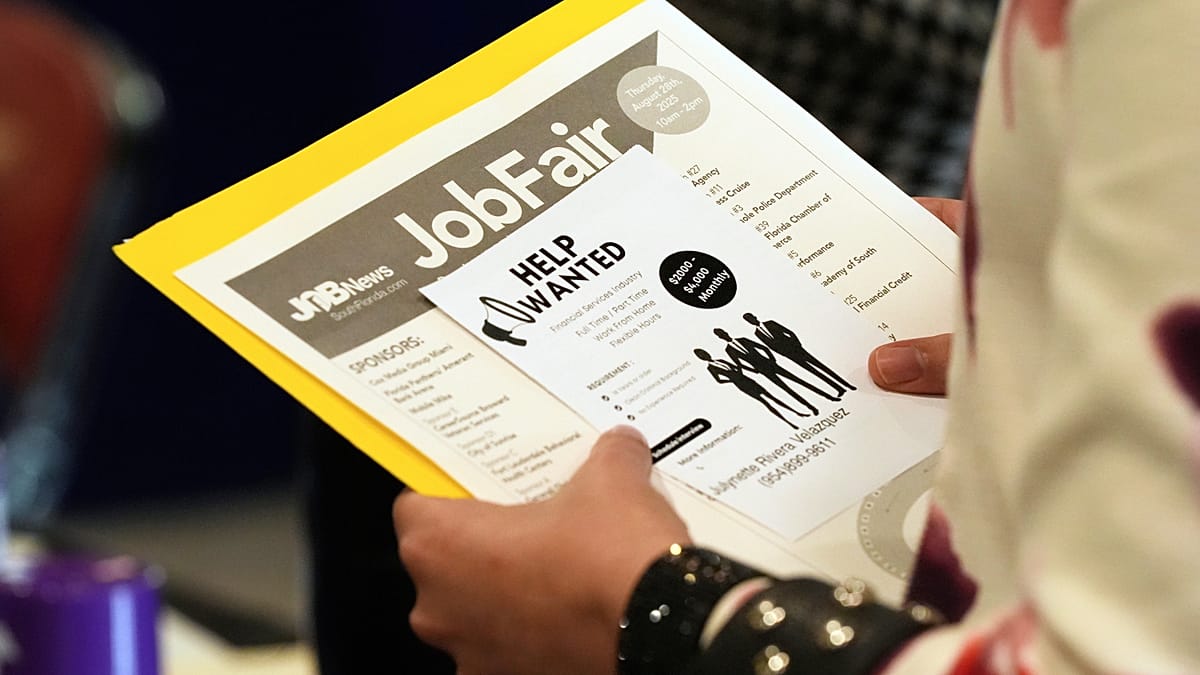
The headline numbers are striking. In the United States, nonfarm payrolls rose by just 57,000 in June, far below expectations and sharply lower than the previous month’s 172,000. Even though the unemployment rate edged down to 4.2%, the hiring slowdown suggests a softer growth environment may be taking hold.
In the Eurozone, by contrast, unemployment held steady at 6.2% in May, matching a record low. That stability suggests European labour demand remains firm, even as businesses face persistent inflation and tighter monetary conditions.
For luxury market watchers, this is more than a macroeconomic footnote. When US job growth slows, consumer sentiment can become more selective, especially in categories tied to aspiration and discretionary spending. In Europe, a stable jobs market may support continued demand for premium goods and elevated lifestyle purchases.
What the labour split means for luxury brands
Luxury brands tend to be more insulated than mass-market players, but they are not immune to economic psychology. A cooling US jobs market can affect luxury in several ways:
- More cautious aspirational shoppers: Consumers who trade up occasionally may delay fashion, beauty, watch, or leather-goods purchases.
- Longer decision cycles: High-ticket purchases, from designer furniture to bespoke interiors, may face slower conversion.
- Greater focus on value within luxury: Buyers may favour heritage, craftsmanship, and resale strength over trend-driven spending.
- Regional demand imbalances: Brands may see Europe outperform the US in store traffic or client confidence.
At the same time, the fact that US job growth slows does not automatically signal a collapse in luxury demand. Ultra-high-net-worth consumers remain driven by asset performance, portfolio gains, and global mobility more than monthly payroll data. Still, premium brands that rely on upper-middle-income customers may feel pressure sooner.
Luxury decor and luxury design could see a different impact
Luxury decor and luxury design often respond not only to employment levels, but also to borrowing costs and property-market momentum. If weaker US hiring eventually pushes the Federal Reserve toward a softer stance, financing conditions could ease later in the year. That would matter for:
- Residential renovation projects
- Designer furniture and lighting demand
- Custom kitchen and bath upgrades
- Bespoke architectural and interior design services
- Hospitality and branded real estate development
However, in the near term, when US job growth slows, households and developers may pause before committing to major design-led spending. Luxury decor purchases linked to new-home moves, second properties, or investment renovations could become more uneven.
Europe may tell a different story. With unemployment steady at a historic low, affluent households and cross-border investors may continue to support demand for premium interiors, collectible design, and luxury home upgrades. For global design houses, this could reinforce the importance of European capitals and wealth hubs as stable growth anchors.
Central banks are now part of the luxury story
The market implications extend directly into monetary policy. In the US, the weak payrolls number strengthens the case that the labour market is cooling under restrictive financial conditions. The Federal Reserve has already paused rate hikes, and further softness could increase speculation about eventual cuts.
In Europe, the European Central Bank still has reason to remain firm. A record-low unemployment rate suggests labour demand remains robust, giving policymakers more confidence to keep fighting inflation.
For luxury sectors, central bank direction matters because it affects:
- Consumer confidence in major spending decisions
- Credit conditions for renovations, property, and development
- Currency movements that shape tourist luxury spending
- Asset valuations that influence affluent consumer behavior
If US job growth slows further, markets may begin pricing in a more supportive rate outlook for 2026. That could eventually benefit luxury real estate, high-end home projects, and premium retail. But if inflation remains sticky, rate relief may come slowly, limiting any immediate rebound.
How luxury businesses should respond now
1. Rebalance regional strategy
Luxury brands with broad international footprints may need to lean harder into Europe if local demand remains steadier there than in the US. Marketing, clienteling, and inventory allocation should reflect that divergence.
2. Emphasise permanence over impulse
When US job growth slows, timelessness becomes a more powerful selling tool. Heritage materials, craftsmanship, rarity, and long-term value resonate more strongly than short-lived novelty.
3. Strengthen high-net-worth relationships
Top-tier clients are often less sensitive to labour-market headlines. Private appointments, customization, concierge services, and tailored design consultations can protect margins and loyalty.
4. Watch hospitality and residential pipelines
Luxury design studios, decor houses, and premium manufacturers should closely monitor project lead times, financing conditions, and developer sentiment, especially in the US market.
The bigger picture for luxury in 2026
The transatlantic economic divide is becoming clearer. As US job growth slows, the American luxury market may shift toward a more selective, value-conscious pattern, particularly among aspirational buyers. Meanwhile, Europe’s resilient employment backdrop could help sustain premium spending, especially in categories tied to lifestyle, travel, and design-led living.
The key takeaway is not that luxury demand disappears when growth softens. It evolves. Brands and design businesses that adjust early, sharpen their regional strategy, and align messaging with confidence and long-term value will be better placed to navigate the next phase. If US job growth slows further while Europe stays firm, the most agile luxury players may find their best opportunities not in broad expansion, but in smart, highly targeted positioning.